
Managing allergies at home can be challenging, especially when common allergens like dust mites, pet dander, and pollen accumulate indoors. One of the most effective ways to reduce these triggers is by maintaining a consistent cleaning routine, with vacuuming playing a central role. By using the right techniques and equipment, you can significantly improve indoor air quality and create a healthier living environment for everyone in your household. This guide explores practical vacuuming tips for allergy relief, explains how to choose the best vacuum for your needs, and shares additional cleaning practices that support allergy management.

Understanding Allergens and Their Impact on Indoor Air Quality
Allergens are microscopic particles that can cause allergic reactions when inhaled or touched. The most common indoor allergens include dust mites, pet dander, mold spores, and pollen. These particles often settle in carpets, upholstery, bedding, and other soft surfaces, making regular cleaning essential.
Poor indoor air quality can worsen allergy symptoms such as sneezing, coughing, itchy eyes, and respiratory issues. According to the Asthma and Allergy Foundation of America, controlling indoor allergens involves not just cleaning, but also reducing the sources of these particles. While air cleaning devices can help, removing allergen sources through thorough cleaning is more effective for long-term relief.
Vacuuming is a key tool in this process, as it removes allergens from surfaces before they become airborne. However, the effectiveness of vacuuming depends on both the type of vacuum cleaner used and the cleaning techniques applied.
Choosing the Right Vacuum Cleaner for Allergy Relief
Selecting the right vacuum cleaner is crucial for minimizing allergen exposure. Not all vacuums are created equal—some can actually worsen allergies by releasing fine dust and germs back into the air. Older or inexpensive models without proper filtration may do more harm than good, according to WebMD.
When shopping for a vacuum to help with allergies, look for these essential features:
- HEPA filter: High-Efficiency Particulate Air (HEPA) filters capture at least 99.97% of particles as small as 0.3 microns, including dust mites and pet dander. This is a must-have for allergy sufferers.
- Sealed system: A vacuum with a sealed body prevents dust from escaping through cracks or poorly fitted parts.
- Bagged vs. bagless: Bagged vacuums tend to contain dust better when emptying, while bagless models may release more allergens during disposal.
- Central vacuum system: These systems vent exhaust outside the home, reducing the recirculation of allergens indoors.
Comparison of Vacuum Cleaner Types for Allergy Control
Understanding the pros and cons of different vacuum types can help you make an informed choice:
Upright Vacuums
- Pros:
- Often have strong suction and wide cleaning paths
- Many models include HEPA filters
- Good for large carpeted areas
- Cons:
- Can be heavy and difficult to maneuver
- May not reach under furniture easily
Canister Vacuums
- Pros:
- Flexible hoses and attachments for hard-to-reach areas
- Generally quieter than uprights
- Available with HEPA filtration
- Cons:
- Bulkier to store
- Can be awkward to move between rooms
Stick and Handheld Vacuums
- Pros:
- Lightweight and easy to use for quick cleanups
- Some models have HEPA filters
- Cons:
- Less powerful suction
- Smaller dust capacity
- Not ideal for deep cleaning carpets
Central Vacuum Systems
- Pros:
- Exhausts air outside, reducing indoor allergen recirculation
- Powerful suction
- Low noise in living areas
- Cons:
- High installation cost
- Permanent installation required
For those managing allergies in commercial spaces, you may also find value in exploring vacuuming tips for commercial carpets to ensure thorough allergen removal in larger or shared environments.
Effective Vacuuming Techniques to Minimize Allergen Exposure
Using the right vacuum is only part of the solution. How you vacuum also makes a significant difference in reducing allergens. Here are practical vacuuming tips for allergy relief that can help you get the most out of your cleaning routine:
- Vacuum frequently: Aim to vacuum high-traffic areas and bedrooms at least twice a week. If you have pets or live in a dusty area, more frequent cleaning may be necessary.
- Use slow, overlapping strokes: Move the vacuum slowly over each section, allowing the suction to lift embedded particles. Overlap your passes to ensure thorough coverage.
- Focus on soft surfaces: Carpets, rugs, and upholstered furniture trap the most allergens. Use appropriate attachments to clean these areas deeply.
- Empty the vacuum outdoors: If using a bagless model, empty the dust container outside to prevent allergens from re-entering your home. For bagged models, seal and dispose of bags promptly.
- Maintain your vacuum: Replace or clean filters regularly, especially HEPA filters, to maintain optimal performance. Check hoses and attachments for blockages.
According to the American Academy of Allergy, Asthma & Immunology, regular cleaning with HEPA vacuums is crucial for reducing allergens in the home. This approach helps remove dust mites, pet dander, and other particles before they become airborne.
Complementary Cleaning Practices for Allergy Relief
While vacuuming is essential, it should be part of a broader cleaning strategy to control indoor allergens. Here are additional steps you can take to support allergy relief:
- Wash bedding weekly: Use hot water to kill dust mites and remove allergens from sheets, pillowcases, and blankets.
- Reduce clutter: Minimize items that collect dust, such as stuffed animals, decorative pillows, and unnecessary textiles.
- Control humidity: Keep indoor humidity below 50% to discourage dust mites and mold growth. Consider using a dehumidifier in damp areas.
- Clean hard floors regularly: Mop or wipe down hard surfaces to remove dust and pollen that vacuums may not capture.
- Groom pets frequently: Regular brushing and bathing can reduce the amount of pet dander in your home. Use a pet grooming brush designed for allergy control.
- Use allergen-proof covers: Encase mattresses and pillows in covers that block dust mites and other allergens.
Integrating these practices with effective vacuuming creates a comprehensive approach to managing indoor allergens and improving air quality.
Conclusion: Maintaining a Healthy Home Environment
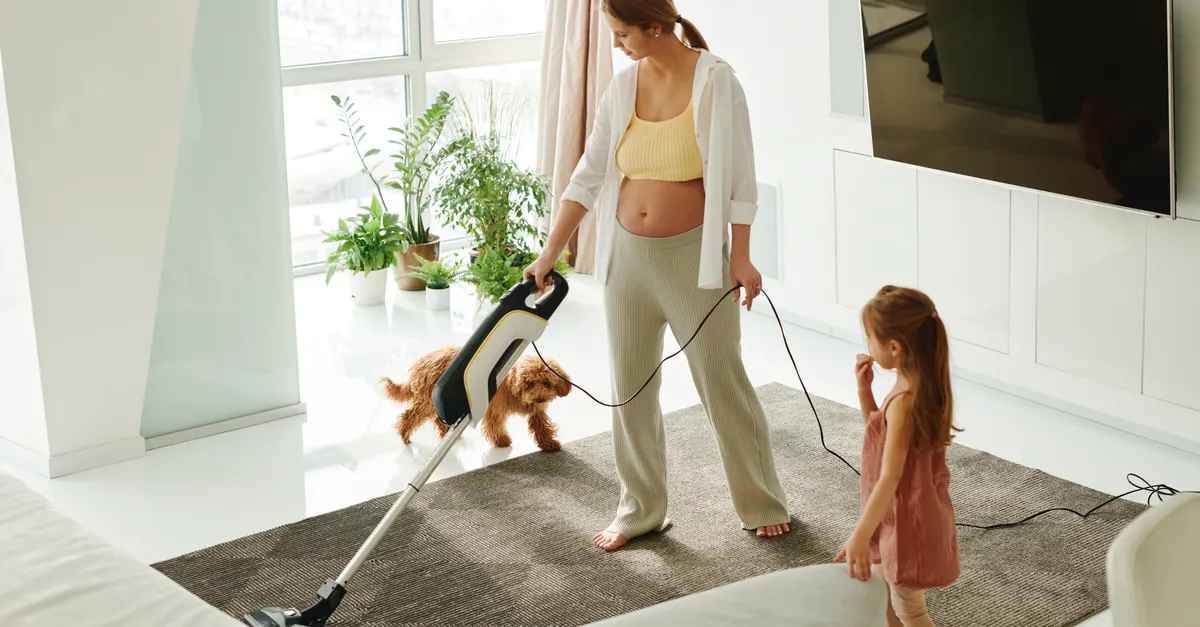
Reducing allergens at home requires a combination of the right equipment, proper technique, and consistent cleaning habits. By choosing a vacuum cleaner with a HEPA filter, using effective vacuuming strategies, and complementing your efforts with additional cleaning practices, you can significantly lower allergen levels and support better health for everyone in your household. Remember, ongoing attention to cleaning routines is key to maintaining a comfortable and allergy-friendly living space.
Frequently Asked Questions
How does vacuuming help with allergy relief?
Vacuuming removes dust, pet dander, pollen, and other allergens from carpets and soft surfaces, preventing them from becoming airborne and triggering allergy symptoms. Using a vacuum with a HEPA filter ensures that these particles are trapped and not released back into the air.
What type of vacuum cleaner is best for allergy sufferers?
For those with allergies, a vacuum equipped with a HEPA filter and a sealed system is highly recommended. Central vacuum systems are also effective because they vent exhaust outside the home. Choose a model that suits your cleaning needs and is easy to maintain.
How often should you vacuum to reduce allergens?
High-traffic areas and bedrooms should be vacuumed at least twice a week. If you have pets or live in a particularly dusty environment, consider vacuuming more frequently to keep allergen levels low.