
Maintaining clean carpets is essential for a healthy home, but many traditional methods rely on harsh chemicals that can pose risks to people, pets, and the environment. Increasingly, homeowners and professionals are turning to chemical-free carpet cleaning solutions. These approaches use natural methods and advanced technology to deliver a deep clean without the drawbacks of synthetic products. Understanding the advantages of chemical-free carpet cleaning can help you make informed decisions about caring for your floors and improving indoor air quality.
In this guide, you’ll discover how these eco-friendly cleaning methods work, why they’re better for your family and the planet, and practical steps to incorporate them into your routine. For those interested in the science behind deep cleaning, you can also learn more about how steam penetrates carpet fibers to remove dirt and allergens.
Why Choose Natural Carpet Cleaning Methods?
The shift toward chemical-free carpet care is driven by growing awareness of the potential hazards associated with conventional cleaning agents. Many standard carpet shampoos and spot removers contain volatile organic compounds (VOCs), artificial fragrances, and other additives that can linger in the air and on surfaces. These substances may trigger allergies, asthma, or skin irritation, especially in sensitive individuals.
By contrast, natural cleaning techniques—such as steam cleaning, hot water extraction, and plant-based solutions—remove dirt and stains without leaving behind toxic residues. This approach is especially beneficial for households with children, pets, or anyone with respiratory concerns. The advantages of chemical-free carpet cleaning extend beyond personal health, offering a safer, more sustainable alternative for routine maintenance.
Key Advantages of Chemical-Free Carpet Cleaning
Embracing non-toxic carpet care offers a range of benefits. Here are some of the most significant:
- Healthier Indoor Environment: Eliminating harsh chemicals reduces exposure to irritants and allergens, supporting better air quality and overall wellness.
- Eco-Friendly Practices: Many green cleaning methods use less water and energy, and avoid polluting waterways with chemical runoff.
- Gentle on Carpet Fibers: Natural solutions are less likely to cause fading, weakening, or damage to delicate materials, helping carpets last longer.
- No Lingering Odors: Chemical-free techniques leave carpets smelling fresh without artificial scents or chemical aftertastes.
- Safe for Kids and Pets: With no toxic residues, you can let little ones and animals play on freshly cleaned carpets without worry.
For those dealing with high-traffic areas, it’s helpful to understand how to clean high-traffic carpet areas using safe, effective methods.
How Do Chemical-Free Carpet Cleaning Methods Work?
There are several approaches to non-toxic carpet care, each with its own strengths. The most common techniques include:
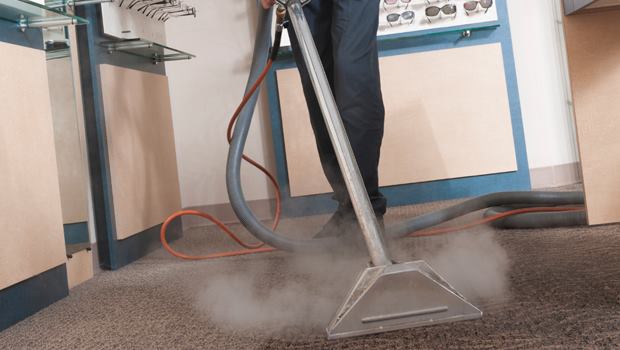
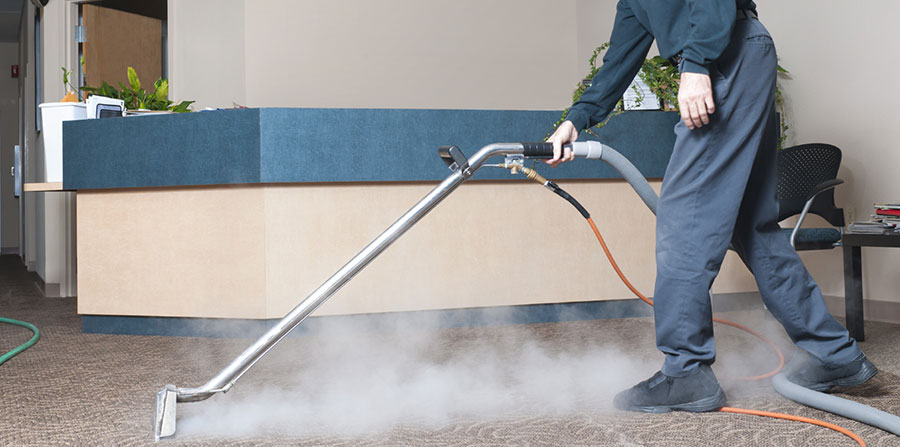
- Steam Cleaning: Uses high-temperature water vapor to loosen dirt and kill bacteria without detergents. This process is highly effective for deep cleaning and sanitizing.
- Hot Water Extraction: Similar to steam cleaning, this method injects hot water into carpet fibers and immediately extracts it, pulling out soil and contaminants.
- Plant-Based Solutions: Some professional and DIY products use natural enzymes or biodegradable ingredients to break down stains and odors.
- Dry Carpet Cleaning: Utilizes absorbent compounds made from natural materials to lift dirt without excess moisture or chemicals.
The right method depends on your carpet type and specific cleaning needs. For delicate materials like wool, consult guides such as how to clean wool carpet safely to avoid damage.

Comparing Chemical-Free and Traditional Carpet Cleaning
When weighing the advantages of chemical-free carpet cleaning against conventional methods, several differences stand out:
| Aspect | Traditional Cleaning | Chemical-Free Methods |
|---|---|---|
| Residue | May leave chemical traces | No toxic residue |
| Odor | Often artificial scents | Neutral or naturally fresh |
| Health Impact | Potential irritants/allergens | Safer for sensitive groups |
| Environmental Effect | Possible waterway pollution | Eco-friendly and sustainable |
| Carpet Longevity | May weaken fibers over time | Gentle on materials |
For best results, consider pre-treating stains with safe solutions. Learn more about the importance of pre-treating carpets before a full clean.
Practical Steps for Eco-Friendly Carpet Maintenance
Incorporating green cleaning into your routine doesn’t have to be complicated. Here are some actionable tips:
- Vacuum Regularly: Frequent vacuuming removes surface dirt and prevents buildup, making deep cleaning less frequent.
- Spot Clean Spills Promptly: Address stains right away using water, baking soda, or plant-based sprays. For guidance, see how to spot clean before steam cleaning.
- Use Steam or Hot Water Extraction: Rent or purchase a steam cleaner for periodic deep cleans without chemicals.
- Choose Natural Products: Look for enzyme-based or biodegradable carpet sprays for stubborn spots.
- Let Carpets Dry Thoroughly: Ensure proper ventilation to prevent mold and mildew after cleaning.
Frequently Asked Questions
Is chemical-free carpet cleaning as effective as traditional methods?
Yes, modern non-toxic cleaning techniques—such as steam and hot water extraction—are highly effective at removing dirt, stains, and allergens. In many cases, they match or exceed the performance of chemical-based products, especially when paired with regular maintenance.
Are there any carpets that shouldn’t be cleaned with natural methods?
Most carpets can be safely cleaned with eco-friendly approaches, but delicate materials like wool or silk may require special care. Always check manufacturer guidelines or refer to resources like how to clean wool carpet safely before proceeding.
How often should I clean my carpets using non-toxic techniques?
For most homes, a deep clean every 6–12 months is recommended, with spot cleaning as needed. High-traffic areas or homes with pets and children may benefit from more frequent attention. Regular vacuuming and immediate stain removal help maintain results between deep cleans.
Will chemical-free cleaning remove pet odors?
Yes, many natural cleaning methods are effective at neutralizing pet odors. Steam and enzyme-based cleaners break down organic matter, leaving carpets fresh without masking scents with chemicals.
Conclusion
Adopting chemical-free carpet cleaning practices offers clear benefits for your health, your home, and the environment. By choosing non-toxic solutions and maintaining a consistent cleaning routine, you can enjoy cleaner carpets, improved air quality, and peace of mind knowing your living space is safe for everyone. Whether you’re caring for a busy family home or simply want to reduce your ecological footprint, these methods provide a practical, effective path to a fresher, healthier environment.
