
Keeping carpets truly clean goes beyond regular vacuuming. Over time, dirt, allergens, and stains settle deep within carpet fibers, making surface cleaning ineffective. Homeowners and businesses alike need reliable solutions for restoring freshness and extending carpet life. This article explores the best methods for deep carpet cleaning, offering practical steps and expert tips to achieve professional-level results at home or when hiring a service.
Whether you’re dealing with stubborn stains, pet odors, or just want to maintain a healthier indoor environment, understanding the right techniques is essential. We’ll cover proven approaches, discuss when to use each, and highlight common mistakes to avoid. For those interested in specific concerns like is steam cleaning safe for wool carpets, you’ll also find helpful resources linked throughout this guide.
Why Deep Cleaning Is Essential for Carpets
Routine vacuuming removes surface debris, but it can’t reach the particles and contaminants embedded deep within the carpet pile. Over time, these hidden elements can cause discoloration, unpleasant odors, and even contribute to allergies or respiratory issues. Deep cleaning methods target these underlying problems, restoring both appearance and hygiene.
Regular deep cleaning also helps preserve carpet fibers, preventing premature wear and extending the lifespan of your flooring investment. For allergy sufferers, advanced cleaning can significantly reduce dust mites and other triggers, as discussed in resources like steam cleaning for allergy relief.
Top Techniques: Best Methods for Deep Carpet Cleaning
There are several effective approaches to removing embedded dirt and stains. The best methods for deep carpet cleaning depend on your carpet type, the level of soiling, and whether you prefer DIY or professional solutions. Below are the most reliable strategies used by both homeowners and industry experts.
1. Hot Water Extraction (Steam Cleaning)
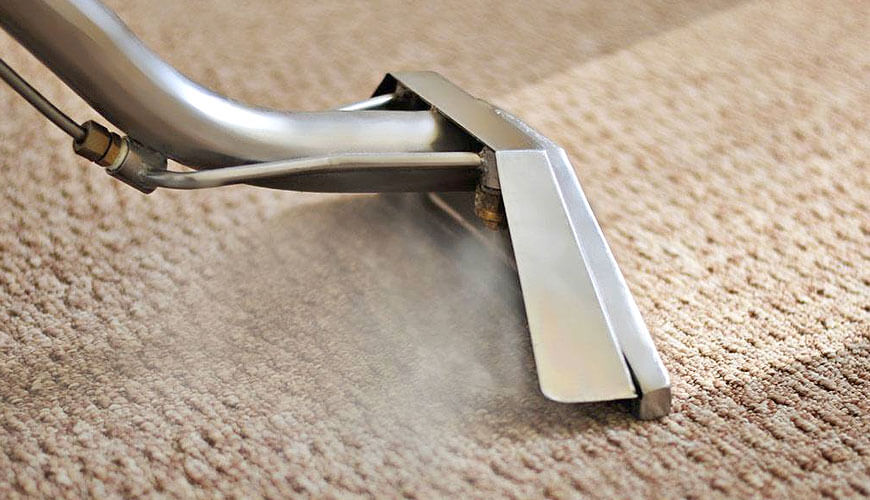
Often considered the gold standard, hot water extraction uses pressurized hot water and cleaning agents to loosen dirt, which is then extracted by a powerful vacuum. This method is highly effective for most synthetic carpets and is recommended by many manufacturers.
- Penetrates deep into fibers to remove soil and allergens
- Can be performed with rental machines or by professionals
- Requires proper drying to prevent mold growth—see how to dry carpet after steam cleaning for best practices
2. Dry Carpet Cleaning
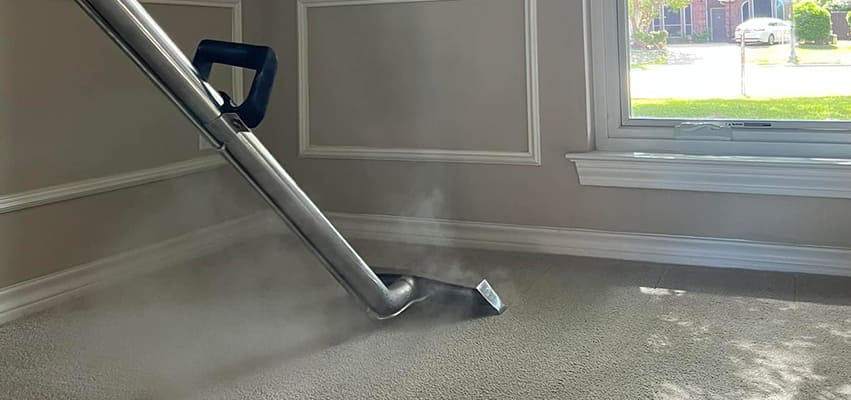
This technique uses specialized compounds or powders that are spread over the carpet and worked into the fibers with a machine. The cleaning agent absorbs dirt and is then vacuumed away. Dry cleaning is ideal for delicate carpets or situations where minimal drying time is required.
- Safe for most carpet types, including some natural fibers
- Quick drying—carpets can often be used immediately
- Less effective for heavy, deep-set stains compared to steam cleaning
3. Carpet Shampooing
Shampooing involves applying a foaming solution to the carpet, agitating it to loosen dirt, and then vacuuming once dry. While this method can refresh the appearance of carpets, it may leave behind residue if not rinsed thoroughly.
- Good for routine maintenance and surface stains
- Can be done with home machines or by professionals
- Not as effective for removing allergens or deep soil
4. Encapsulation Cleaning
Encapsulation uses synthetic detergents that crystallize into powder as they dry. Dirt particles are trapped in the powder and removed with vacuuming. This method is popular for commercial settings due to its efficiency and low moisture use.
- Fast drying and minimal residue
- Best for maintenance cleaning between more intensive treatments
- May not fully remove heavy stains or odors
Choosing the Right Deep Cleaning Approach
Selecting the most suitable method depends on your carpet’s material, the nature of the stains, and your cleaning goals. For example, wool carpets require special care—learn more about this in our guide on is steam cleaning safe for wool carpets.
For allergy control and sanitization, hot water extraction is often the most thorough. If you need a quick turnaround or have moisture-sensitive flooring, dry cleaning or encapsulation may be preferable. Always check manufacturer recommendations before using any chemicals or equipment.
Common Mistakes to Avoid When Deep Cleaning Carpets
Even with the best methods for deep carpet cleaning, certain errors can reduce effectiveness or even damage your flooring. Here are some pitfalls to watch out for:
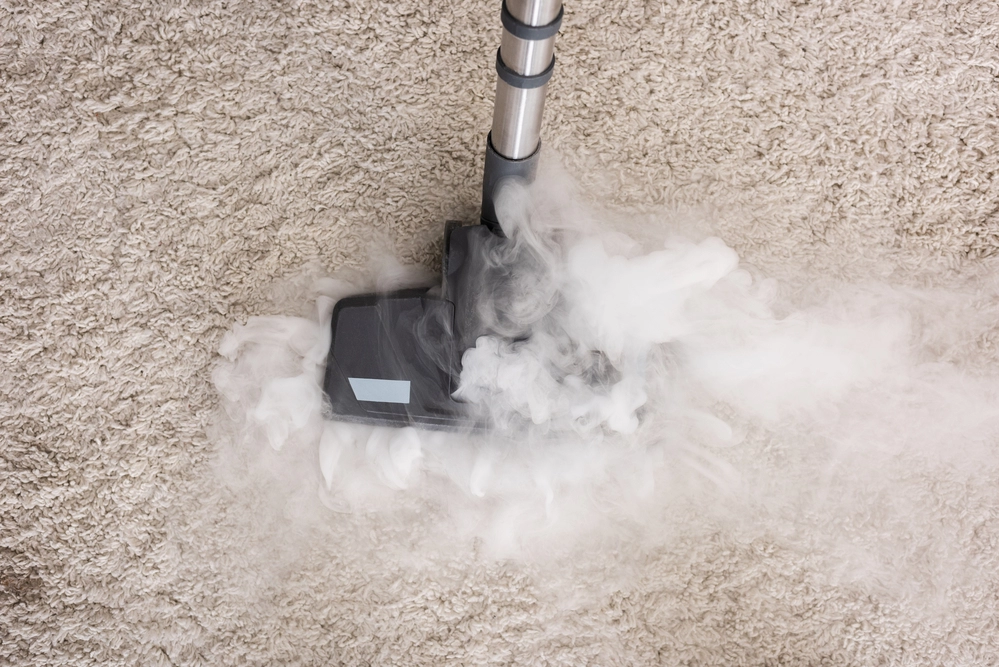
- Overwetting: Using too much water can lead to mold, mildew, and carpet shrinkage.
- Skipping Pre-Treatment: Failing to pre-treat stains makes them harder to remove later.
- Improper Drying: Not allowing enough time for carpets to dry can cause odors and bacteria growth. For tips, see how to dry carpet after steam cleaning.
- Using Harsh Chemicals: Some products can discolor or degrade carpet fibers, especially on wool or natural materials.
- Ignoring Manufacturer Guidelines: Always check care instructions to avoid voiding warranties.
Maintaining Results After Deep Cleaning
Once your carpets are thoroughly cleaned, regular maintenance will help preserve the results. Vacuum high-traffic areas several times a week, address spills promptly, and schedule deep cleaning every 12–18 months. For more tips, consider reading this comprehensive guide to carpet maintenance.
It’s also wise to be aware of common misconceptions—see carpet cleaning myths explained for insights that can help you avoid ineffective or damaging practices.
FAQ: Deep Carpet Cleaning Questions Answered
How often should carpets be deep cleaned?
Most experts recommend a thorough cleaning every 12 to 18 months, though high-traffic areas or homes with pets and children may benefit from more frequent treatments. Regular maintenance can extend the time between deep cleans.
Is steam cleaning safe for all carpet types?
While steam cleaning is effective for many synthetic carpets, some natural fibers like wool require special care. Always check manufacturer guidelines and refer to resources about is steam cleaning safe for wool carpets before proceeding.
What is the fastest way to dry carpets after cleaning?
Increase ventilation by opening windows and using fans. For a detailed approach, see the article on how to dry carpet after steam cleaning. Avoid walking on damp carpets to prevent re-soiling.
Can deep cleaning remove all stains and odors?
Most stains and odors can be significantly reduced or eliminated with the right method, but some may be permanent if they’ve set for too long. Prompt action and the use of appropriate cleaning agents increase the likelihood of success.
Are DIY carpet cleaners as effective as professional services?
Home machines and sprays can deliver good results for routine cleaning and minor stains. However, for severe soiling, large areas, or persistent odors, professional equipment and expertise often achieve a deeper, longer-lasting clean.
