
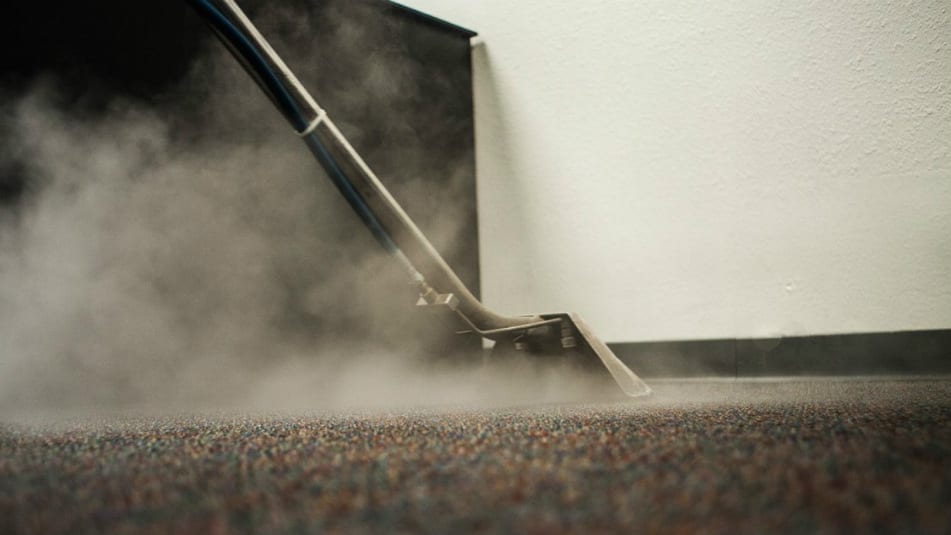
Steam cleaning is a popular method for deep cleaning carpets, praised for its ability to remove dirt, allergens, and stains. However, many homeowners wonder: can steam cleaning damage carpet fibers? Understanding how steam interacts with different carpet materials, and knowing the best practices, is essential for protecting your flooring investment.
In this guide, we’ll explore the science behind steam cleaning, discuss which types of carpets are most at risk, and provide actionable tips to ensure your carpets stay in top condition. If you’re also curious about how long does it take carpets to dry after steam cleaning, you’ll find helpful information to manage your cleaning routine effectively.
Understanding Steam Cleaning and Carpet Materials
Steam cleaning, also known as hot water extraction, uses heated water vapor to loosen and remove debris from carpet fibers. The process is effective at sanitizing, but the combination of high temperature and moisture can affect certain materials differently.
Carpets are made from a variety of fibers, including nylon, polyester, wool, and olefin. Each material responds uniquely to heat and moisture:
- Nylon: Durable and resilient, but can be sensitive to excessive heat if not managed properly.
- Polyester: Generally resistant to water, but prolonged exposure to high temperatures may cause matting.
- Wool: A natural fiber that is particularly vulnerable to shrinkage and distortion from steam if not handled with care.
- Olefin (Polypropylene): Resistant to moisture but can melt under very high temperatures.
The risk of harm depends on the type of carpet, the quality of the equipment, and the skill of the operator. For a detailed comparison of cleaning methods, see steam cleaning vs hot water extraction.
How Steam Cleaning Can Affect Carpet Fibers
The question of can steam cleaning damage carpet fibers often arises due to concerns about heat, moisture, and agitation. Here’s how each factor can impact your carpet:
- Heat: Excessive temperatures can cause synthetic fibers to lose their shape or even melt, especially in olefin carpets. Wool fibers may shrink or become misshapen if exposed to too much heat.
- Moisture: Over-wetting can lead to prolonged drying times, which increases the risk of mold and mildew. It can also cause adhesives in some carpets to break down, resulting in rippling or separation from the backing.
- Mechanical Agitation: Aggressive brushing or extraction can fray or untwist fibers, particularly in loop pile or delicate carpets.
Most modern steam cleaners are designed to minimize these risks by controlling temperature and water flow. However, improper use or outdated equipment can still cause problems.
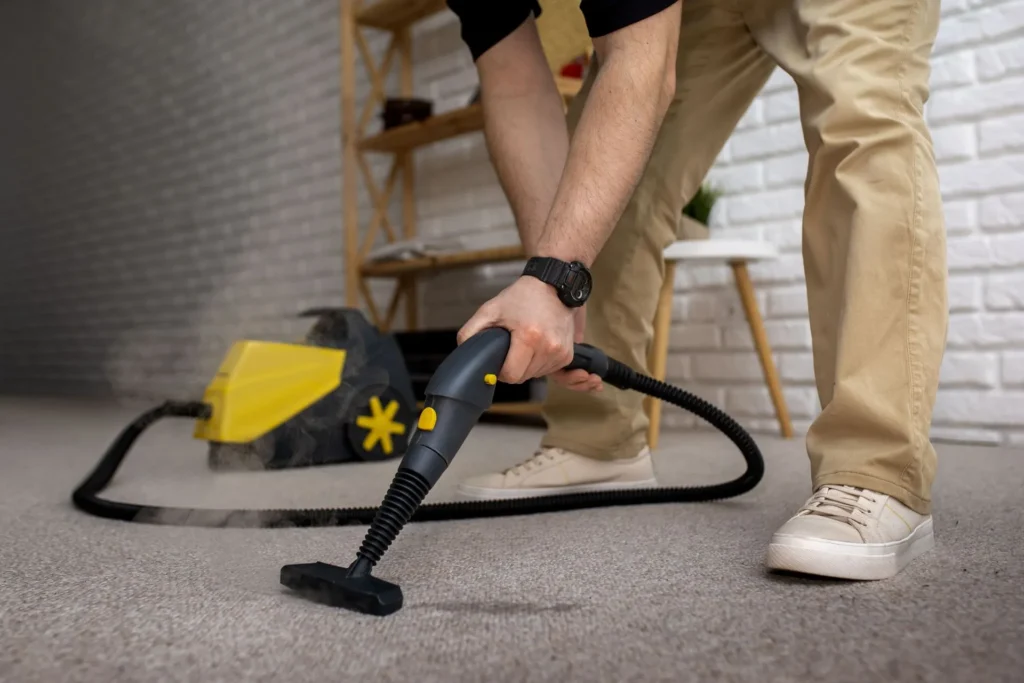
Signs of Fiber Damage After Steam Cleaning
After a cleaning session, it’s important to inspect your carpet for any signs of harm. Common indicators that the process may have been too harsh include:
- Visible matting or flattening of the pile
- Frayed or fuzzy fibers, especially at the tips
- Rippling or buckling, which may indicate adhesive breakdown
- Persistent wet spots or a musty odor, suggesting over-wetting
- Color fading or uneven patches
If you notice any of these issues, it’s best to consult a professional or refer to how to protect carpets after steam cleaning for maintenance tips.
Best Practices to Prevent Carpet Fiber Damage
To ensure your carpets remain in excellent condition, follow these practical tips:
- Test in an Inconspicuous Area: Before cleaning the entire carpet, test the steam cleaner on a small, hidden section to check for adverse reactions.
- Use the Right Equipment: Choose a steam cleaner with adjustable temperature and moisture settings. Avoid using machines that are too powerful for your carpet type.
- Don’t Over-Wet: Limit the amount of water used and make multiple dry passes to extract as much moisture as possible.
- Follow Manufacturer Guidelines: Always refer to your carpet’s care instructions. Some carpets, especially wool or specialty fibers, may require professional cleaning.
- Allow Proper Drying: Ensure adequate ventilation and consider using fans to speed up drying. For more on this, review how long does it take carpets to dry after steam cleaning.
- Schedule Regular Maintenance: Frequent vacuuming and prompt spot cleaning reduce the need for aggressive deep cleaning.
These steps help minimize the risk of fiber distortion, shrinkage, or other forms of damage.
When to Call a Professional Carpet Cleaner
While many homeowners can safely use steam cleaners, there are situations where expert help is recommended:
- Your carpet is made from wool, silk, or specialty fibers
- There are persistent stains or odors that do not respond to DIY cleaning
- You notice signs of mold or mildew, which may require specialized treatment (see does steam cleaning remove mold for more information)
- The carpet is under warranty and requires professional care to maintain coverage
Professional cleaners have access to commercial-grade equipment and are trained to identify the safest and most effective cleaning methods for each carpet type. For a breakdown of what to expect during a service visit, check out this guide to professional carpet cleaning appointments.
Benefits of Steam Cleaning When Done Correctly
When performed properly, steam cleaning offers several advantages:
- Removes deep-seated dirt, dust mites, and allergens
- Refreshes carpet appearance and texture
- Reduces odors and improves indoor air quality (see steam cleaning benefits for indoor air quality)
- Extends the life of your carpet by preventing buildup
The key is to use the right technique and equipment for your specific carpet type, ensuring that the process is both safe and effective.
Frequently Asked Questions
Is Steam Cleaning Safe for All Types of Carpet?
Most synthetic carpets handle steam cleaning well, but natural fibers like wool require extra caution. Always check the manufacturer’s care label and, if in doubt, consult a professional.
How Often Should I Steam Clean My Carpets?
For most households, a deep clean every 12 to 18 months is sufficient. High-traffic areas or homes with pets and children may benefit from more frequent cleaning.
What Should I Do If My Carpet Shows Signs of Damage After Cleaning?
Stop using the steam cleaner immediately and allow the carpet to dry thoroughly. If the damage is significant, such as rippling or fraying, contact a carpet care specialist for advice on repairs or restoration.
