
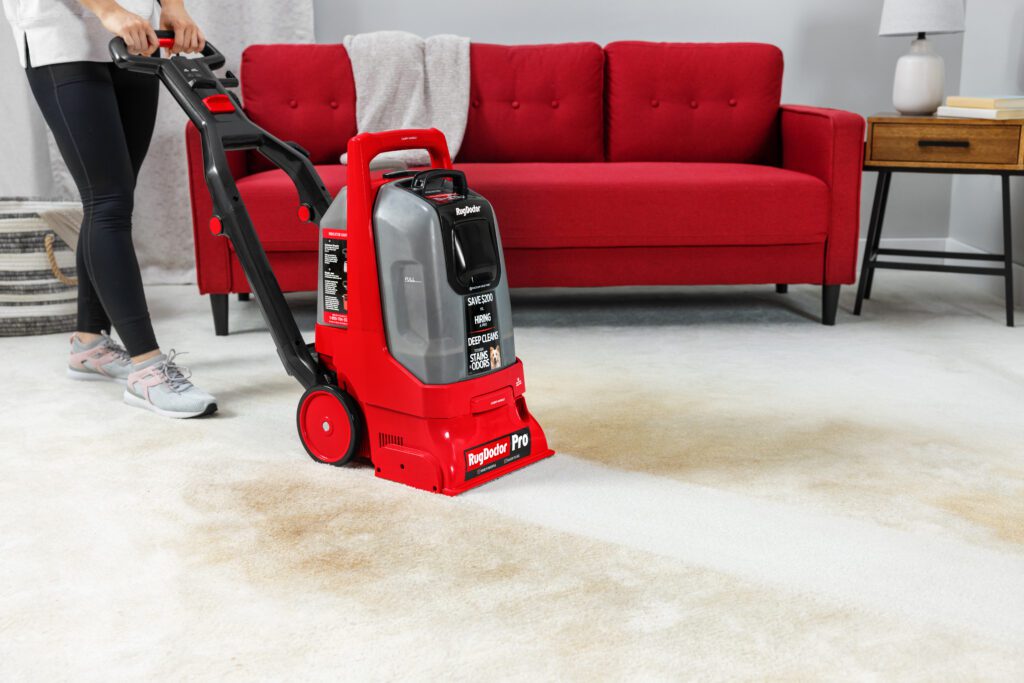
Keeping your carpet cleaning machine in top shape is essential for effective home maintenance. Over time, even the most reliable carpet cleaners will need some components swapped out due to wear and tear. Understanding which carpet cleaner replacement parts are available—and knowing when and how to replace them—can help you extend the life of your equipment and maintain cleaning performance.
Whether you use your machine for routine cleaning or heavy-duty stain removal, parts like brushes, belts, tanks, and hoses are designed to be replaceable. This guide will walk you through the most common components you can change, how to spot when they need attention, and practical tips for sourcing the right replacements.
For those interested in maximizing their machine’s longevity, check out these carpet cleaner lifespan tips for long-term use.
Essential Parts You Can Replace on Your Carpet Cleaner
Most modern carpet cleaning machines are built with serviceability in mind. Here are the most frequently replaced components and what you should know about each:
- Brushes and Brush Rolls: These agitate carpet fibers and loosen dirt. Over time, bristles wear down or become clogged with debris, reducing cleaning efficiency. Replacement brush rolls are widely available and easy to install on most models.
- Belts: The belt transfers power from the motor to the brushes. If your brushes stop spinning or make unusual noises, a worn or broken belt is often the culprit. Belts are inexpensive and typically simple to swap out.
- Water and Solution Tanks: Cracks or leaks in tanks can lead to poor performance or water damage. Replacement tanks are available for most major brands, allowing you to restore full function without buying a new machine.
- Hoses and Attachments: Flexible hoses can develop splits or blockages, while upholstery or stair tools may become damaged. Replacing these accessories keeps your cleaner versatile and effective.
- Filters: Many machines use filters to trap debris and protect the motor. Dirty or clogged filters can reduce suction and cleaning power. Swapping out filters regularly is a quick way to maintain peak performance.
- Nozzles and Spray Tips: These parts control the distribution of cleaning solution. If you notice uneven spraying or blockages, replacing the nozzle can resolve the issue.
How to Identify When Parts Need Replacement
Recognizing the signs of worn-out components can save you time and prevent further damage. Here are some common indicators that it’s time to consider new carpet cleaner replacement parts:
- Reduced Cleaning Performance: If your machine isn’t picking up as much dirt or water, check for worn brushes, clogged filters, or cracked tanks.
- Unusual Noises: Squealing or grinding sounds often point to a failing belt or debris caught in the brush roll.
- Leaks or Drips: Water pooling under your cleaner usually means a damaged tank, hose, or seal.
- Loss of Suction: This can be caused by a clogged filter, split hose, or blocked nozzle.
- Visible Damage: Cracks, frayed belts, or missing bristles are clear signs that a part needs to be replaced.
For more on keeping your machine in top condition, see our advice on carpet cleaner filter cleaning and routine maintenance.
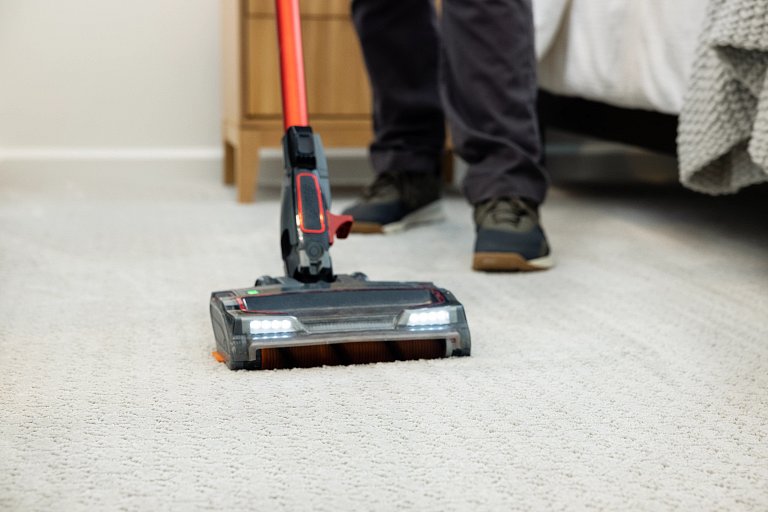
Where to Find Compatible Replacement Parts
Most manufacturers offer official replacement parts through their websites or authorized retailers. You can also find compatible components from third-party suppliers, but always check compatibility with your specific model. When shopping for new parts, have your machine’s make and model number handy to ensure a proper fit.
Online marketplaces and specialty cleaning stores often stock a wide range of brushes, belts, tanks, and hoses. Reading customer reviews and checking return policies can help you avoid issues with fit or quality. For a deeper understanding of how these machines function, you might find this detailed explanation of carpet cleaner mechanics helpful.
Tips for Replacing and Maintaining Key Components
Replacing parts is usually straightforward, but following a few best practices will help ensure success:
- Consult the Manual: Always refer to your machine’s user guide for step-by-step instructions and part numbers.
- Unplug Before Servicing: For safety, disconnect your cleaner from power before replacing any parts.
- Clean as You Go: When swapping out brushes or tanks, take the opportunity to clean surrounding areas for optimal performance.
- Test After Replacement: Run your machine briefly after installing new components to ensure everything is working correctly.
- Keep Spare Parts on Hand: Stocking extra belts or filters can minimize downtime if something fails unexpectedly.
If you’re unsure about a repair, many manufacturers offer support videos or diagrams. For more on maximizing cleaning results, see our carpet cleaner water temperature guide.
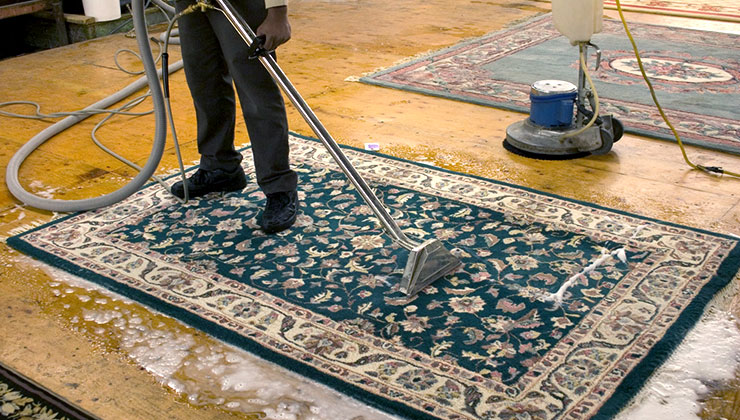
When to Consider Professional Repair or Replacement
While many parts are user-replaceable, some issues may require professional help. If your machine has electrical faults, persistent leaks, or severe motor problems, it’s best to consult a service technician. In some cases, the cost of repairs may approach the price of a new unit—especially if multiple major components fail at once.
Before making a decision, review your warranty coverage. Many brands offer limited warranties that cover certain parts and labor for a set period. Learn more about what’s typically included in our carpet cleaner warranty explained article.
Frequently Asked Questions
How often should I replace brushes and belts on my carpet cleaner?
The frequency depends on usage, but most manufacturers recommend checking brushes and belts every 6–12 months. If you notice reduced cleaning performance or visible wear, it’s time to replace them.
Are third-party replacement parts safe to use?
Many third-party parts are compatible and safe, but always check for quality and fit. Using non-OEM components may affect warranty coverage, so review your manual and warranty terms before purchasing.
Can I replace tanks and hoses myself, or do I need a technician?
Most tanks and hoses are designed for user replacement and require only basic tools. Follow your user manual for instructions. If you encounter leaks after installation, double-check seals and connections.
What should I do if my machine still doesn’t work after replacing parts?
If performance issues persist, check for additional blockages, electrical problems, or consult a service technician. Sometimes multiple components may need attention, or there could be a deeper mechanical issue.
For more on optimizing your cleaning routine, see our advice on carpet cleaner hose length importance and how it affects usability.
