
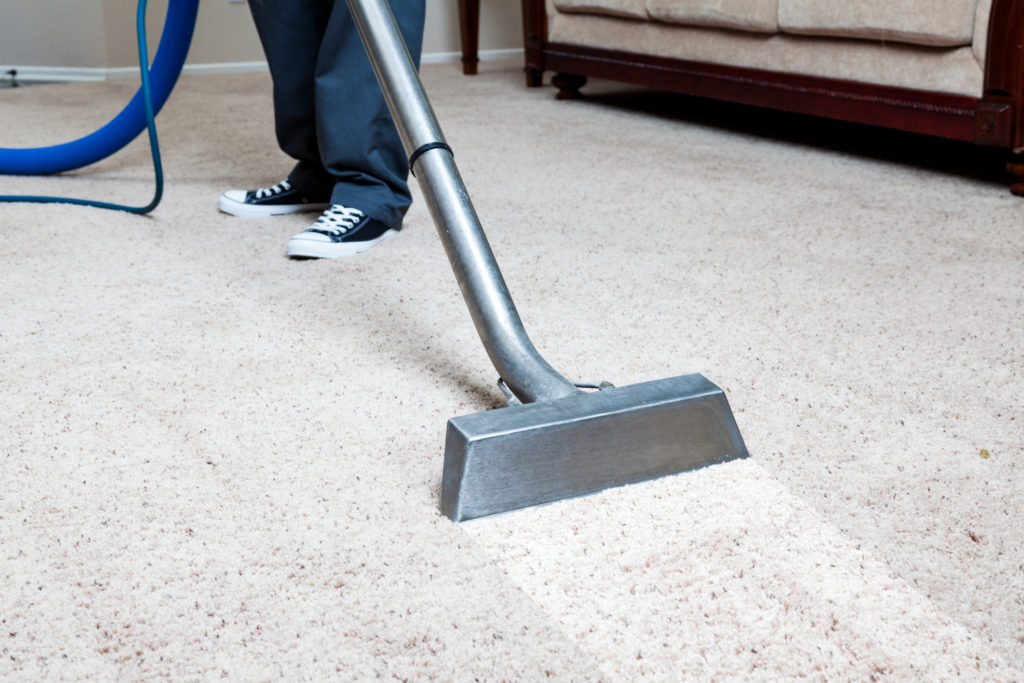
When it comes to keeping carpets fresh and hygienic, two popular techniques often come up for debate: dry cleaning and steam cleaning. Understanding the difference between dry and steam carpet cleaning is essential for homeowners, renters, and businesses aiming to maintain a healthy indoor environment. Each method has unique benefits, limitations, and best-use scenarios, so choosing the right approach can make a significant impact on your carpet’s appearance and longevity.
In this guide, we’ll break down how each method works, their pros and cons, and the factors to consider when deciding which is best for your needs. If you’re looking for even more in-depth strategies, check out our resource on best methods for deep carpet cleaning for additional insights.
Understanding the Difference Between Dry and Steam Carpet Cleaning
The core distinction between these two cleaning methods lies in their approach to removing dirt and stains. Dry carpet cleaning uses minimal moisture and specialized compounds, while steam cleaning (also known as hot water extraction) relies on heated water and powerful suction to deep-clean fibers. Let’s explore each method in detail.
How Dry Carpet Cleaning Works
Dry carpet cleaning involves applying a cleaning powder or compound to the carpet. This material is designed to attract and absorb dirt, oils, and debris. After allowing the compound to work for a set period, it’s vacuumed up, taking the contaminants with it. Some systems may use a small amount of moisture to activate the cleaning agents, but the process is generally considered “low moisture.”
- Quick drying time: Carpets are usually ready for use within an hour or two.
- Minimal water usage: Ideal for areas where moisture could cause problems, such as offices or rooms with sensitive flooring underneath.
- Convenient for spot cleaning: Effective for routine maintenance and small stains.
How Steam Carpet Cleaning Works
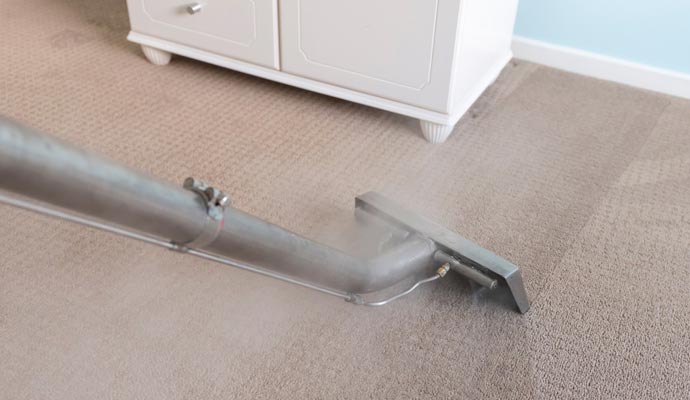
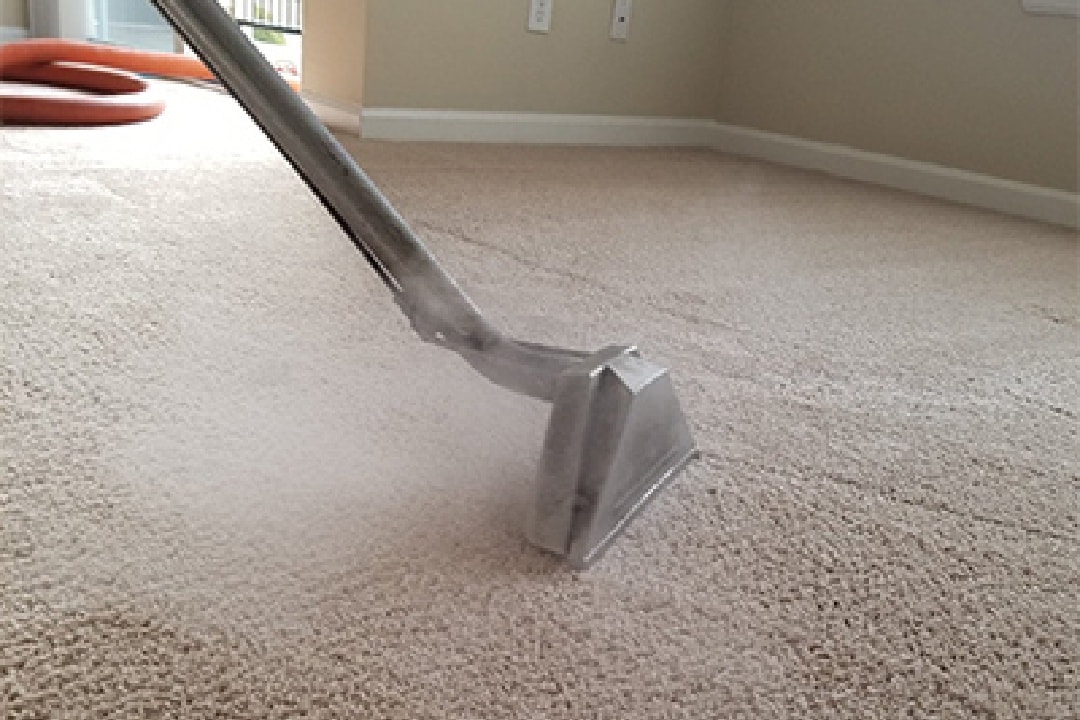
Steam cleaning uses hot water, typically heated to over 200°F, which is injected deep into the carpet fibers. This process loosens dirt, bacteria, and allergens. A powerful vacuum then extracts the water along with the dislodged contaminants. Despite the name, the method relies more on hot water than actual steam.
- Deep cleaning action: Penetrates carpet fibers to remove embedded dirt and allergens.
- Effective for sanitizing: High temperatures can kill bacteria, dust mites, and some viruses. For more on this, see our article on how steam kills bacteria in carpets.
- Removes most stains: Especially effective on tough, set-in spots.
Comparing Results: Which Method Cleans Better?
When evaluating the difference between dry and steam carpet cleaning, it’s important to consider the type and level of soiling, carpet material, and your cleaning goals. Steam cleaning generally provides a more thorough clean, reaching deep into fibers and removing allergens. Dry cleaning, on the other hand, is less disruptive and allows for rapid turnaround, making it suitable for high-traffic areas or spaces that can’t be out of commission for long.
For those seeking steam cleaning for allergy relief, the hot water extraction method is often recommended, as it can help reduce dust mites and pollen trapped in carpet fibers.
Pros and Cons of Dry Carpet Cleaning
- Advantages: Fast drying, minimal disruption, safe for most carpet types, and convenient for maintenance.
- Disadvantages: May not remove deep-seated stains or heavy soiling as effectively as steam cleaning. Some chemical residues may remain if not vacuumed thoroughly.
Pros and Cons of Steam Carpet Cleaning
- Advantages: Deep cleans, removes most stains, sanitizes, and is effective for allergy sufferers.
- Disadvantages: Longer drying times (often 6–24 hours), potential for over-wetting if not performed properly, and may not be suitable for all carpet types (e.g., delicate natural fibers).
When to Choose Dry or Steam Carpet Cleaning
The right method depends on your specific situation. Here are some factors to help you decide:
| Situation | Recommended Method | Why |
|---|---|---|
| Quick turnaround needed | Dry cleaning | Minimal moisture, fast drying |
| Deep stains or odors | Steam cleaning | Penetrates fibers, removes tough grime |
| Allergy concerns | Steam cleaning | Removes allergens and sanitizes |
| Delicate or moisture-sensitive carpets | Dry cleaning | Gentle and safe for most materials |
| Routine maintenance | Dry cleaning | Convenient for regular upkeep |
Tips for Getting the Best Results
- Always vacuum thoroughly before any cleaning process to remove loose dirt.
- Test cleaning solutions on a small, inconspicuous area to check for colorfastness.
- For steam cleaning, ensure proper drying to prevent mold and mildew. For guidance, see our article on how to dry carpet after steam cleaning.
- Follow manufacturer recommendations for both your carpet and cleaning equipment.
- Consider professional services for large areas, persistent stains, or specialty carpets.
Common Myths About Carpet Cleaning Methods
There are several misconceptions about these cleaning techniques. For example, some believe that dry cleaning leaves no residue or that steam cleaning always damages carpets. For a deeper look at these topics, visit our article on carpet cleaning myths explained.
It’s important to rely on evidence-based advice and not just marketing claims or outdated information. Both methods can be effective when used appropriately.
DIY vs Professional Carpet Cleaning
Many homeowners opt for do-it-yourself solutions, especially for spot cleaning or maintenance. There are a variety of consumer-grade machines and sprays available. For step-by-step instructions, you can refer to this comprehensive guide to steam cleaning carpets.
However, for deep cleaning or when dealing with stubborn stains, professional services often deliver superior results. Professionals use commercial-grade equipment and have the expertise to choose the right method for your carpet type and condition.
Frequently Asked Questions
Is dry carpet cleaning as effective as steam cleaning?
Dry carpet cleaning is effective for routine maintenance and quick cleanups, but it may not remove deep-seated dirt or allergens as thoroughly as steam cleaning. Steam cleaning is generally preferred for deep cleaning and sanitizing.
How long does it take for carpets to dry after steam cleaning?
Drying time after steam cleaning can range from 6 to 24 hours, depending on carpet thickness, humidity, and ventilation. Proper drying is crucial to prevent mold growth. For tips, see our advice on how to dry carpet after steam cleaning.
Can I use both methods on the same carpet?
Yes, it’s possible to alternate between dry and steam cleaning, depending on your needs. For example, you might use dry cleaning for regular maintenance and steam cleaning for periodic deep cleans.
Are there carpets that should not be steam cleaned?
Some delicate or moisture-sensitive carpets, such as certain wool or natural fiber varieties, may not be suitable for steam cleaning. Always check manufacturer guidelines before choosing a cleaning method.
Conclusion
Both dry and steam carpet cleaning methods have their place in maintaining clean, healthy carpets. Understanding the difference between dry and steam carpet cleaning helps you make informed decisions based on your carpet type, cleaning needs, and lifestyle. Whether you choose a quick, low-moisture approach or a deep, sanitizing clean, regular maintenance will keep your carpets looking their best for years to come.
