

Carpets can be a haven for dust mites, microscopic creatures that thrive in warm, humid environments and feed on dead skin cells. For allergy sufferers, these pests are a common trigger, causing sneezing, itchy eyes, and even asthma symptoms. Many homeowners wonder: does steam cleaning eliminate dust mites effectively, or are other methods needed for a truly clean carpet?
This guide explores how high-temperature steam can target dust mite populations deep within carpet fibers, the science behind the process, and practical steps for maximizing results. We’ll also cover maintenance tips, answer common questions, and provide resources for further reading.
To understand how steam works on dust mites, it’s helpful to know how how steam penetrates carpet fibers and why temperature is key to disrupting their life cycle.
Understanding Dust Mites and Their Impact on Carpets
Dust mites are invisible to the naked eye, but their presence can be felt by those sensitive to allergens. These tiny arachnids thrive in soft furnishings, especially carpets, where they find warmth, moisture, and a steady food supply. Their waste particles and body fragments are the primary culprits behind allergic reactions.
Regular vacuuming helps reduce surface debris, but it rarely reaches the lower layers of carpet where dust mites reside. This is why many people turn to deeper cleaning methods, hoping to address the root of the problem.
The Science Behind Steam and Dust Mite Removal
The question, does steam cleaning eliminate dust mites, centers on the effectiveness of heat. Steam cleaners use water heated to temperatures typically above 200°F (93°C). When applied to carpet, this high-temperature vapor penetrates fibers, reaching areas standard vacuums cannot.
Scientific studies and cleaning professionals agree that temperatures above 130°F (54°C) are lethal to dust mites. Steam not only kills adult mites but also destroys their eggs, disrupting the reproductive cycle. The process also loosens and lifts embedded debris, making it easier to remove allergens from the carpet.
For more on the science of steam and carpet fibers, see this discussion on steam cleaning carpets and allergy control.
How the Steam Process Works on Carpets
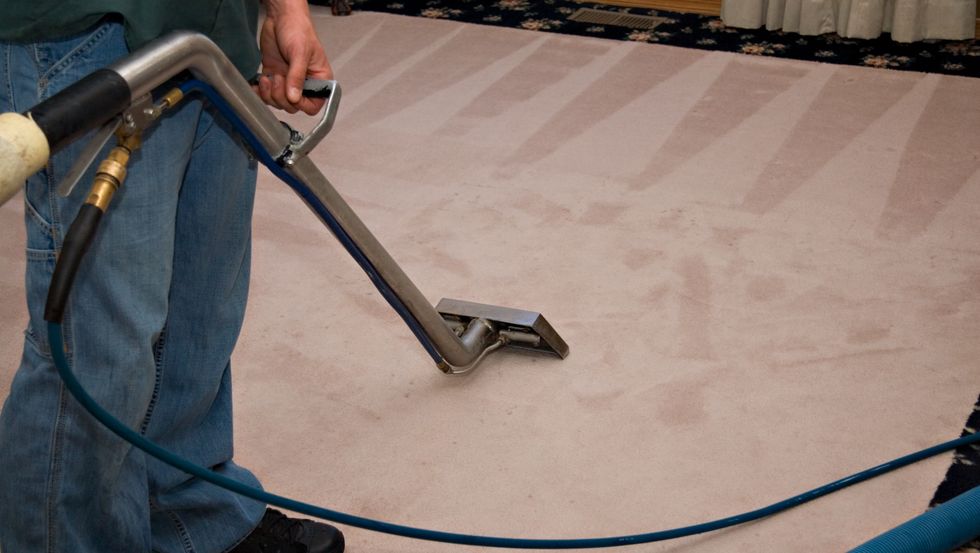
Steam cleaning involves several steps to ensure thorough dust mite elimination:
- Preparation: Remove loose debris and spot-treat stains. For tips, check out how to spot clean before steam cleaning.
- Heating: The machine heats water to produce pressurized steam.
- Application: Steam is directed into the carpet, reaching deep into the pile and backing.
- Extraction: The machine vacuums up moisture, dead mites, and loosened dirt.
- Drying: Allow carpets to dry completely to prevent mold or mildew.
The combination of heat and moisture is what makes this method so effective. Unlike chemical treatments, steam leaves no residue and is safe for most households, including those with children and pets.
Does Steam Cleaning Eliminate Dust Mites Completely?
While steam cleaning is highly effective at killing dust mites and removing their allergens, no method guarantees 100% eradication. Some mites may survive in areas the steam doesn’t reach, or re-infestation can occur over time. However, regular steam cleaning, combined with good hygiene practices, can significantly reduce dust mite populations and allergen levels.
For best results, experts recommend steam cleaning carpets every 6–12 months, or more frequently in homes with allergy sufferers, pets, or high humidity.
Tips for Maximizing Dust Mite Removal with Steam
- Pre-treat stains and high-traffic areas: Use a suitable carpet spray before steaming. Learn more about the importance of pre-treating carpets.
- Move furniture: Expose as much carpet as possible for thorough coverage.
- Go slow: Allow the steam cleaner to work at a steady pace for maximum heat penetration.
- Ventilate: Open windows or use fans to speed up drying and prevent moisture buildup.
- Maintain your machine: Clean and descale regularly for optimal performance.
Combining these steps with regular vacuuming and dust control can help keep dust mite numbers low and indoor air quality high.

Additional Strategies for Allergen Control
While steam cleaning is a powerful tool, it’s most effective when combined with other dust mite reduction strategies:
- Wash bedding and curtains regularly in hot water.
- Use allergen-proof mattress and pillow covers.
- Keep indoor humidity below 50% with dehumidifiers or air conditioning.
- Vacuum carpets and upholstery with a HEPA filter vacuum.
- Minimize clutter and soft furnishings where dust can accumulate.
For high-traffic areas, see how to clean high-traffic carpet areas for targeted advice.
Potential Limitations and Considerations
Although steam is generally safe for most carpets, some delicate fibers may be sensitive to heat and moisture. It’s important to check manufacturer guidelines or consult professionals if unsure. For more on this, review can steam cleaning damage carpet fibers.
Additionally, over-wetting can lead to mold or mildew if carpets are not dried thoroughly. Always ensure adequate ventilation and avoid walking on damp carpets until fully dry.
FAQ
How often should I steam clean my carpets to control dust mites?
For most households, steam cleaning every 6–12 months is sufficient. In homes with allergy sufferers, pets, or high humidity, more frequent cleaning—every 3–6 months—may be beneficial.
Does steam cleaning eliminate dust mites better than vacuuming?
Yes, steam cleaning is more effective than vacuuming alone for killing dust mites and removing their allergens. The high heat of steam penetrates deep into carpet fibers, reaching areas vacuums cannot, and destroys both mites and their eggs.
Can I use steam cleaning on all types of carpets?
Most synthetic carpets tolerate steam cleaning well, but some natural fibers (like wool or silk) may be sensitive to heat and moisture. Always check the manufacturer’s care instructions or consult a professional before using steam on delicate carpets.
