
Allergies can make daily life uncomfortable, especially when symptoms are triggered by common indoor allergens like dust mites, pet dander, mold, and pollen. Many people search for effective ways to create a healthier home environment and wonder: does steam cleaning help with allergies? This article explores how this cleaning method can contribute to reducing allergens, why it’s often recommended by professionals, and how you can incorporate it into your regular cleaning routine for better respiratory health.
Before diving into the details, it’s important to understand that not all cleaning methods are equally effective at removing microscopic irritants. Steam cleaning stands out for its ability to sanitize surfaces without harsh chemicals, making it a popular choice for those sensitive to traditional cleaning products. If you’re interested in learning about related topics, such as how humidity affects steam cleaning results, you’ll find additional resources on our site.
Understanding Allergens and Their Impact Indoors
Indoor environments often harbor a variety of allergens that can trigger symptoms such as sneezing, coughing, itchy eyes, and respiratory discomfort. Common culprits include:
- Dust mites – microscopic creatures that thrive in bedding, carpets, and upholstery.
- Pet dander – tiny flakes of skin shed by cats, dogs, and other animals.
- Mold spores – fungi that grow in damp areas like bathrooms and basements.
- Pollen – particles that can be tracked indoors from outside.
These particles can settle deep within soft surfaces, making them difficult to remove with standard vacuuming or surface cleaning. Over time, buildup can worsen symptoms for allergy sufferers, especially in homes with carpets, rugs, and upholstered furniture.
How Steam Cleaning Targets Allergens
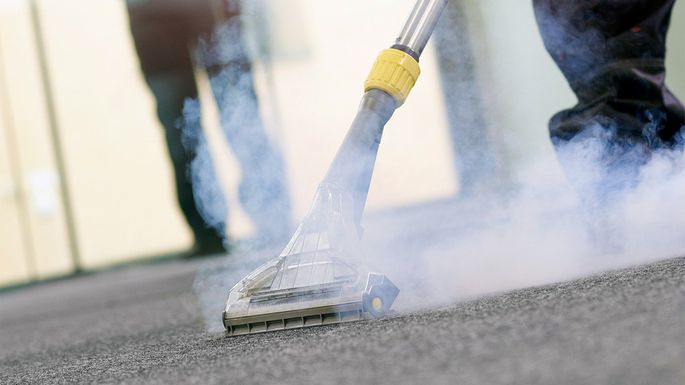
One of the main questions people ask is: does steam cleaning help with allergies? The answer lies in the unique way this method works. Steam cleaning uses high-temperature vapor to penetrate deep into fibers and surfaces. The heat not only loosens dirt and debris but also kills many types of bacteria, dust mites, and mold spores on contact.
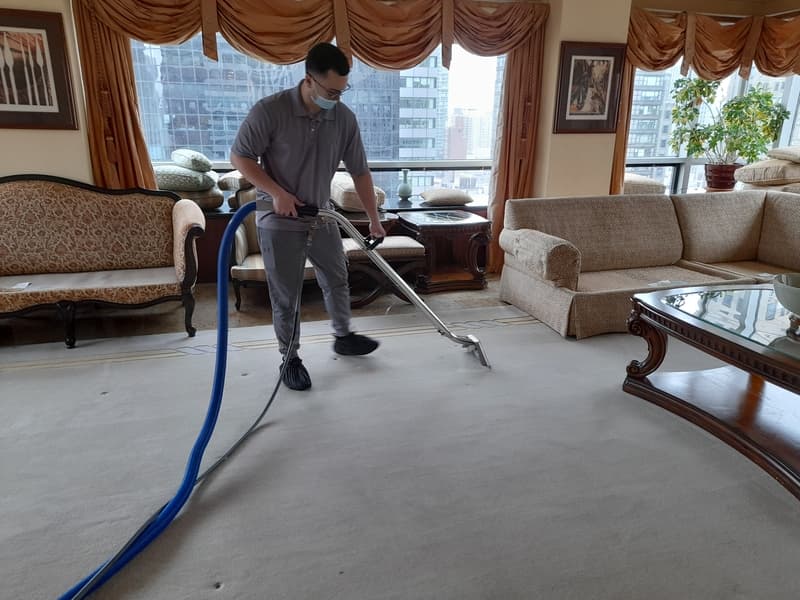
The process is especially effective for carpets, mattresses, curtains, and upholstered furniture—places where allergens tend to accumulate. By reaching temperatures above 212°F (100°C), steam can denature proteins in dust mite waste and neutralize many common triggers. This makes it a valuable tool for anyone looking to reduce the allergen load in their home.
Benefits of Using Steam for Allergy Management
Incorporating steam cleaning into your regular routine offers several advantages for those with sensitivities:
- Chemical-free cleaning: Steam uses only water, avoiding harsh residues that can irritate airways.
- Deep sanitization: The heat kills dust mites, bacteria, and some molds more effectively than many traditional methods.
- Odor removal: Steam can help neutralize musty or pet-related smells, improving indoor air quality.
- Versatility: This method is suitable for a wide range of surfaces, from carpets and rugs to tiles and mattresses.
For those interested in maintaining cleaner carpets between professional treatments, see our guide on how to maintain carpets between steam cleanings.
Best Practices for Effective Steam Cleaning
To maximize the benefits, follow these practical tips:
- Vacuum thoroughly first: Remove loose dirt and debris before using your steam cleaner.
- Use slow, overlapping passes: This ensures the steam has time to penetrate and sanitize.
- Allow surfaces to dry completely: Proper ventilation helps prevent mold growth after cleaning.
- Focus on high-traffic and high-allergen areas: Pay special attention to bedrooms, living rooms, and pet zones.
- Schedule regular sessions: For allergy-prone households, steam cleaning every 2–3 months can make a noticeable difference.
If you’re preparing for a professional service, you might find this step-by-step guide to preparing your home for professional carpet cleaning helpful.
Comparing Steam to Other Cleaning Methods for Allergy Relief
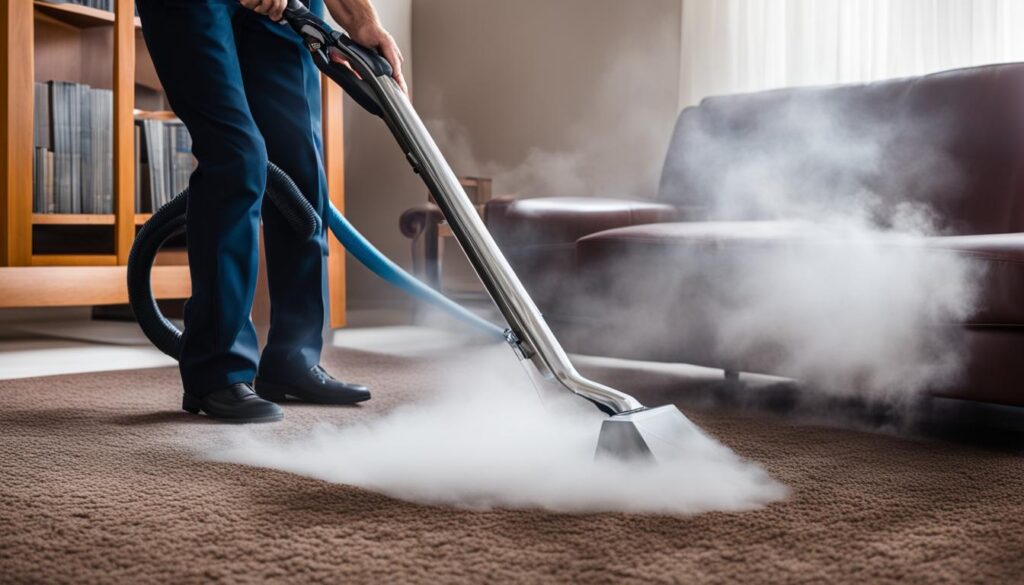
While vacuuming and dry cleaning can remove surface dust, they often fail to address deeply embedded allergens. Shampooing carpets may leave behind residues that attract more dirt or irritate sensitive individuals. In contrast, steam cleaning uses only water vapor, making it a safer and more thorough option for allergy management.
For those considering alternatives, it’s helpful to compare steam cleaning vs bonnet cleaning to determine which approach best fits your needs.
Tips for Maintaining an Allergen-Reduced Home
While steam cleaning is highly effective, combining it with other strategies can further reduce symptoms:
- Wash bedding and curtains regularly in hot water.
- Keep humidity levels below 50% to discourage dust mites and mold.
- Use allergen-proof covers on mattresses and pillows.
- Remove shoes at the door to limit pollen and dirt indoors.
- Consider air purifiers with HEPA filters for additional protection.
To keep your carpets looking their best and minimize future stains, check out our advice on how to prevent carpet stains after cleaning.
Frequently Asked Questions
Can steam cleaning eliminate dust mites and pet dander?
Yes, the high temperatures produced by steam cleaners are effective at killing dust mites and breaking down pet dander. Regular use can significantly reduce the presence of these allergens in carpets, upholstery, and mattresses.
How often should I steam clean to help with allergies?
For households with allergy sufferers, steam cleaning every two to three months is recommended. High-traffic areas or homes with pets may benefit from more frequent sessions.
Is steam cleaning safe for all types of carpets and fabrics?
Most modern carpets and many upholstery fabrics can be safely steam cleaned, but always check the manufacturer’s care instructions first. Delicate materials like silk or some wools may require alternative cleaning methods.
Does steam cleaning remove mold spores?
Steam can kill many types of mold spores on contact, especially on hard surfaces and in fabrics. However, if mold has deeply penetrated materials or covers a large area, professional remediation may be necessary.
Will steam cleaning help with allergy symptoms caused by pollen?
Yes, steam can remove pollen particles that have settled on carpets, rugs, and upholstery. Regular cleaning helps prevent these allergens from becoming airborne and triggering symptoms.
Conclusion
For those seeking a practical and effective way to manage indoor allergies, steam cleaning offers significant benefits. Its ability to deeply sanitize surfaces, eliminate dust mites, and reduce other common triggers makes it a valuable addition to any cleaning routine. By combining this method with other preventative strategies, you can create a more comfortable and healthier home environment for everyone.
