
Carpets can harbor a surprising amount of bacteria, allergens, and other microorganisms. Everyday activities, spills, and foot traffic introduce germs that settle deep into carpet fibers. Many homeowners wonder if traditional cleaning methods are enough, or if more advanced techniques like steam cleaning are necessary to truly sanitize their floors. Understanding whether steam can effectively tackle bacteria is crucial for anyone looking to maintain a healthier indoor environment.
This article explores the science behind does steam cleaning remove bacteria, how the process works, and what you need to know to make informed decisions about your carpet care routine. For those interested in comparing cleaning methods, you may also want to read about steam cleaning vs encapsulation cleaning for a broader perspective.
How Steam Works to Sanitize Carpets
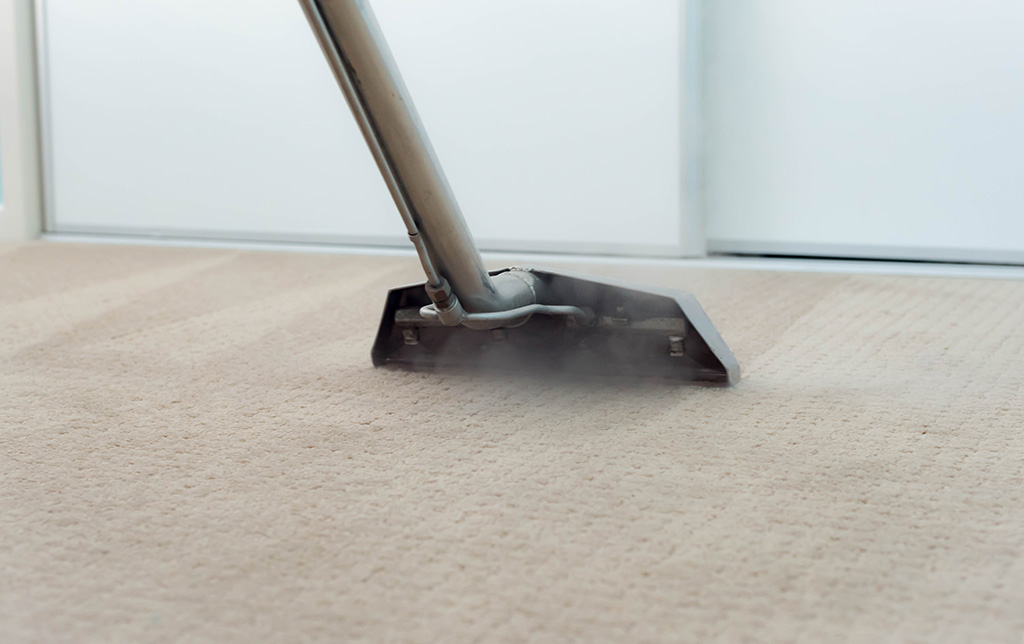
Steam cleaning, also known as hot water extraction, uses high-temperature water vapor to penetrate carpet fibers. The process typically involves injecting steam deep into the carpet, loosening dirt, debris, and microorganisms. The combination of heat and moisture is key: temperatures above 212°F (100°C) can disrupt the cell structure of many bacteria, viruses, and dust mites, rendering them inactive or killing them outright.
The effectiveness of this method depends on several factors, including the temperature achieved, the duration of exposure, and the type of bacteria present. Most household steam cleaners are designed to reach temperatures sufficient to neutralize common pathogens, making them a popular choice for those seeking a deeper, more hygienic clean.
Does Steam Cleaning Remove Bacteria Effectively?
Research and industry tests suggest that steam cleaning can significantly reduce bacterial load in carpets. The high heat generated by these machines is capable of destroying a wide range of microorganisms, including E. coli, Salmonella, and Staphylococcus. However, the degree of sanitization depends on proper technique and equipment quality.
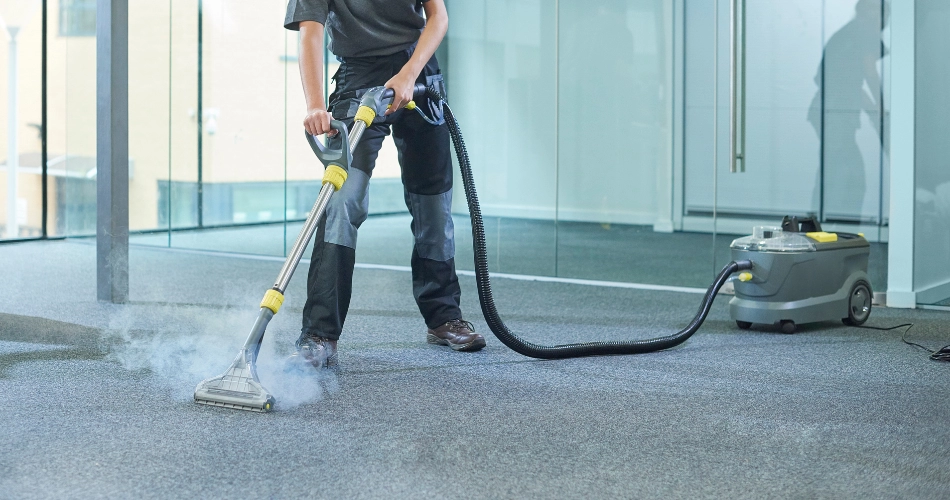
For best results, it’s important to use a steam cleaner that maintains consistent, high temperatures and to move the machine slowly over each section of carpet. This ensures that the heat has enough time to penetrate and sanitize the fibers. Some professional-grade machines offer even greater effectiveness, which is why many choose to hire experts for periodic deep cleaning.
Comparing Steam to Other Cleaning Methods
While vacuuming is essential for removing surface dirt and dust, it does little to address bacteria embedded within carpet fibers. Chemical cleaners and sprays can sanitize surfaces, but they may leave residues or fail to reach deeper layers. Steam, on the other hand, uses only water—making it a safer option for homes with children or pets, and for those sensitive to harsh chemicals.
For a detailed comparison of cleaning technologies, see the article on the difference between portable and truck-mounted steam cleaning. Understanding the pros and cons of each system can help you select the best approach for your needs.
Limitations and Considerations
Although steam is highly effective at reducing bacteria, it is not a guarantee of complete sterilization. Some resilient microorganisms, such as certain spores, may survive standard steam cleaning. Additionally, improper use—such as moving too quickly or using insufficient heat—can reduce effectiveness.
It’s also important to consider the type of carpet. Delicate or heat-sensitive fibers may be damaged by high temperatures. Always check manufacturer guidelines before using a steam cleaner, and test a small, inconspicuous area first.
Best Practices for Steam Sanitization
To maximize the bacteria-removing power of steam, follow these practical tips:
- Pre-vacuum thoroughly to remove loose dirt and debris.
- Use slow, overlapping passes with the steam cleaner to ensure even heat distribution.
- Allow carpets to dry completely after cleaning to prevent mold and mildew growth.
- Maintain your equipment by cleaning filters and nozzles regularly.
- Schedule periodic professional cleanings for high-traffic or heavily soiled areas.
For those interested in additional benefits, such as odor removal, you can learn more about how to deodorize carpets with steam.
Additional Health Benefits of Steam Cleaning
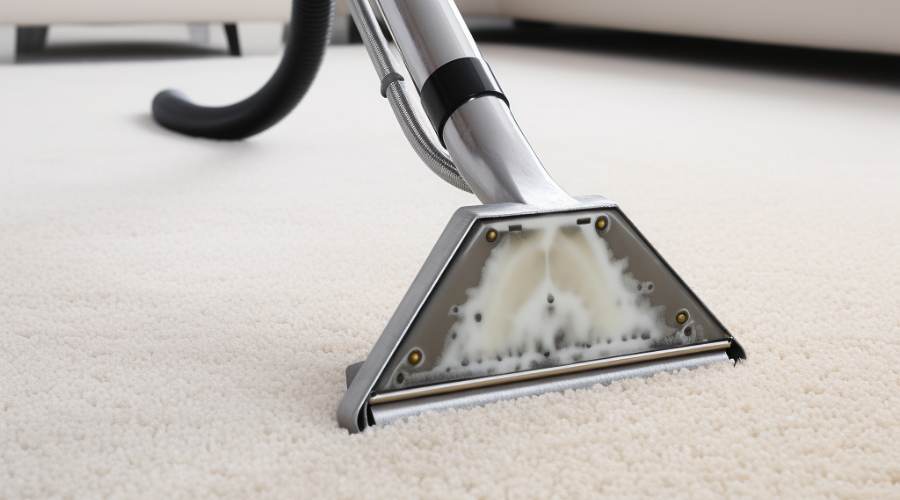
Beyond reducing bacteria, steam cleaning can help minimize allergens such as dust mites, pet dander, and pollen. This can be especially beneficial for allergy sufferers. For more on this topic, check out the article on does steam cleaning help with allergies.
Another advantage is that steam leaves no chemical residue, making it a preferred option for those with sensitivities or for households aiming for a more eco-friendly approach. Regular steam cleaning, combined with routine maintenance, can contribute to a healthier indoor environment overall.
Tips for Maintaining a Hygienic Carpet
While steam is a powerful tool, maintaining a clean carpet requires a holistic approach. Here are some strategies to keep bacteria and allergens at bay:
- Vacuum at least twice a week, focusing on high-traffic areas.
- Address spills and stains promptly to prevent microbial growth.
- Use doormats and remove shoes indoors to reduce dirt and germ entry.
- Schedule deep steam cleaning every 6–12 months, or more often if needed.
- Consider using a carpet cleaner spray for spot treatments between steam sessions.
For more advice on keeping your carpets in top condition, see this comprehensive guide to carpet maintenance.
Frequently Asked Questions
Is Steam Cleaning Safe for All Carpet Types?
Most synthetic carpets can handle steam cleaning, but delicate natural fibers like wool or silk may be sensitive to high heat and moisture. Always check the manufacturer’s care instructions before using a steam cleaner on specialty carpets.
How Often Should Carpets Be Steam Cleaned to Control Bacteria?
For average households, a deep steam cleaning every 6 to 12 months is recommended. Homes with pets, children, or allergy sufferers may benefit from more frequent treatments. Regular vacuuming and prompt spot cleaning help maintain results between sessions.
Does Steam Cleaning Remove Odors as Well as Bacteria?
Yes, steam is effective at neutralizing many common odors by breaking down odor-causing bacteria and organic matter. For persistent smells, specialized cleaning solutions or repeat treatments may be necessary.
Can Steam Cleaning Replace Chemical Disinfectants?
Steam offers a chemical-free way to reduce bacteria and allergens, but it may not fully replace disinfectants in situations where complete sterilization is required, such as medical environments. For most homes, however, steam provides a safe and effective alternative.
Does Water Temperature Matter for Bacteria Removal?
Absolutely. Higher water temperatures improve the ability to kill bacteria and sanitize carpets. For more details, see the article on the importance of using the right water temperature in carpet cleaning.
