
Mold growth in carpets is a common concern, especially in areas with high humidity or after water damage. Homeowners and renters alike want effective, safe ways to address this issue without replacing their flooring. One popular method is steam cleaning, but many wonder: does steam cleaning remove mold effectively, or is it just a temporary fix?
This guide explores how high-temperature steam can help tackle mold in carpets, what you should know before starting, and how to maximize your results. We’ll also cover when professional help is necessary, and how to keep your carpets cleaner and healthier in the long run.
For a detailed look at the cleaning process, see what happens during steam cleaning process to understand each step and its benefits.
Understanding Mold in Carpets
Mold thrives in damp, dark environments. Carpets, especially those in basements or areas prone to spills and leaks, can become breeding grounds for mold spores. The presence of mold is not just a cosmetic problem; it can trigger allergies, respiratory issues, and unpleasant odors. Addressing mold quickly is crucial for both health and home maintenance.
How Steam Cleaning Targets Mold Growth
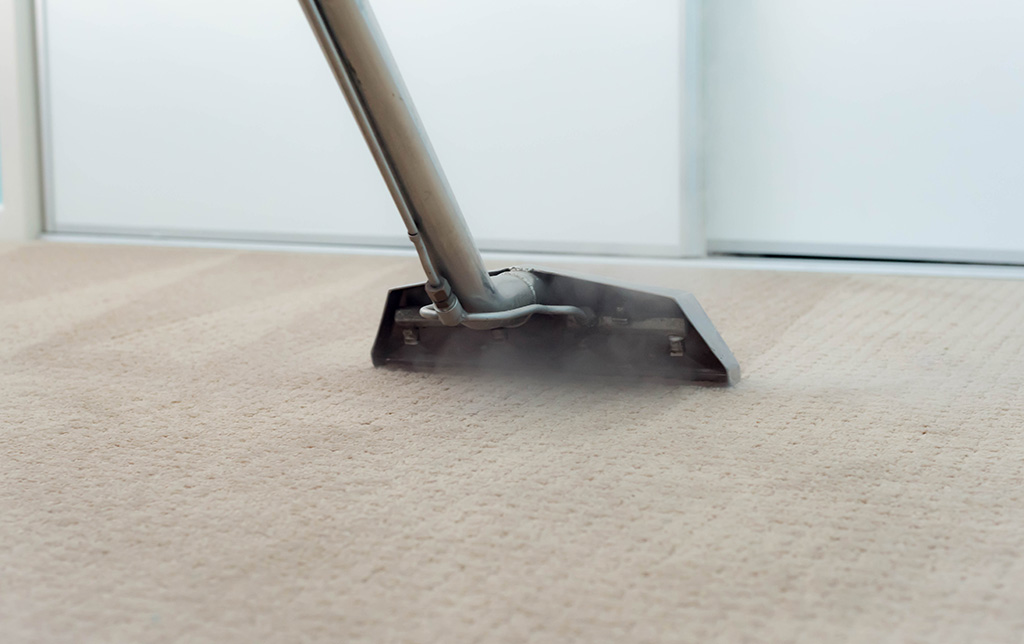
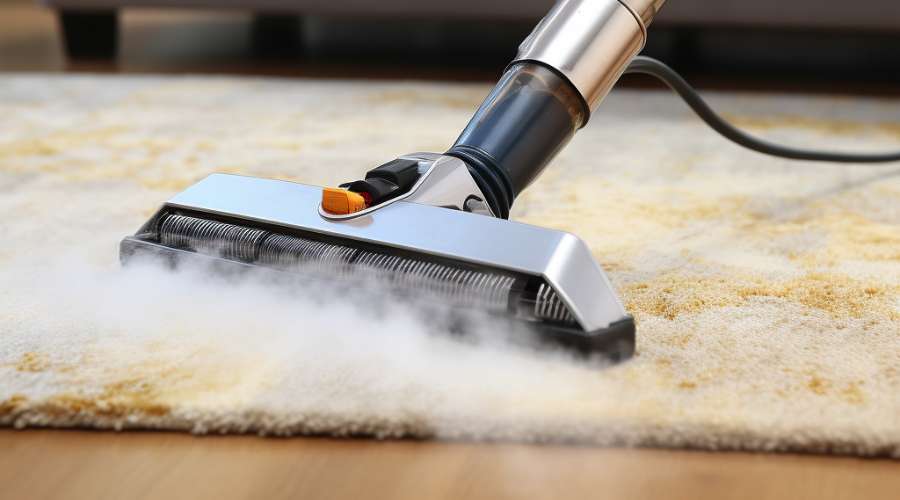
The question, does steam cleaning remove mold, comes up because steam cleaners use high heat—often above 200°F (93°C)—to penetrate carpet fibers. This intense heat can kill many types of mold and bacteria on contact. The process works by injecting steam deep into the carpet, loosening dirt, debris, and mold spores, which are then extracted by the machine.
However, while steam can kill surface mold and remove visible stains, it may not always reach mold that has penetrated the carpet backing or subfloor. In cases of deep or widespread contamination, additional steps or professional remediation may be necessary.
Does Steam Cleaning Remove Mold Completely?
Steam cleaning is effective at killing and removing many types of mold found on the surface of carpets. The high temperatures are capable of destroying mold spores, which helps reduce the risk of regrowth. However, the answer to whether steam cleaning removes mold entirely depends on several factors:
- Extent of Mold Growth: If mold has spread beneath the carpet or into the padding, steam alone may not reach all affected areas.
- Carpet Material: Some materials, like wool, may require special care. For tips on cleaning natural fibers, see this guide on cleaning wool rugs naturally.
- Moisture Control: Steam cleaning adds moisture to the carpet. If not dried thoroughly, this can actually encourage new mold growth.
For best results, combine steam cleaning with proper drying and ventilation. If you notice persistent odors or stains, it may be time to consult a professional.
Step-by-Step: Using Steam to Treat Mold in Carpets
- Inspect the Area: Identify all visible mold patches. If the affected area is larger than 10 square feet, or if mold is present in the padding or subfloor, consider professional remediation.
- Vacuum Thoroughly: Remove loose dirt and spores from the carpet surface before using steam.
- Prepare the Steam Cleaner: Fill the machine with water and, if recommended, a carpet-safe cleaning solution. Avoid harsh chemicals that may damage fibers.
- Steam Clean Slowly: Move the cleaner slowly over the moldy area, allowing the steam to penetrate deeply. Overlap passes for thorough coverage.
- Extract Moisture: Use the vacuum function to remove as much water as possible. This step is crucial for preventing further mold growth.
- Dry the Carpet Completely: Use fans, open windows, or a dehumidifier to speed up drying. Avoid walking on the carpet until it is fully dry.
- Monitor for Regrowth: Check the area over the next few days. If mold returns, repeat the process or seek professional help.
For a deeper understanding of advanced cleaning strategies, check out best methods for deep carpet cleaning to ensure your carpets stay fresh and mold-free.
Tips for Preventing Mold After Steam Cleaning
- Ventilate the Room: Open windows and use fans to keep air moving during and after cleaning.
- Use a Dehumidifier: Lowering humidity levels discourages mold regrowth.
- Address Leaks Promptly: Fix plumbing or roof leaks to prevent future moisture problems.
- Regular Maintenance: Vacuum carpets regularly and use steam cleaning as part of your routine, especially in high-risk areas.
When to Call a Professional
While steam cleaning is a powerful tool for treating minor mold issues, some situations require expert intervention:
- The mold covers a large area or keeps returning after cleaning.
- There is a persistent musty odor, even after thorough drying.
- Mold is present in the carpet padding, subfloor, or walls.
- Household members experience allergy symptoms or respiratory issues.
Professionals have access to specialized equipment and can ensure that all mold is safely removed. For more on the differences between cleaning methods, see difference between dry and steam carpet cleaning.
Related Benefits of Steam Cleaning
In addition to targeting mold, steam cleaning offers several other advantages. It can help with pet hair removal, as explained in does steam cleaning remove pet hair, and is also effective for neutralizing odors like pet urine. For more on odor removal, see how to get rid of pet urine smell with steam.
Frequently Asked Questions
Can steam cleaning kill all types of mold in carpets?
Steam cleaning is effective at killing many common household molds on the surface of carpets due to the high temperatures involved. However, if mold has penetrated deep into the carpet backing or subfloor, steam may not reach all spores. In such cases, professional remediation is recommended.
Is it safe to use steam cleaning on all carpet types?
Most synthetic carpets tolerate steam cleaning well, but natural fibers like wool may require special care. Always check the manufacturer’s instructions before using steam, and consider spot testing in an inconspicuous area first.
How can I prevent mold from returning after steam cleaning?
The key is thorough drying and moisture control. Use fans and dehumidifiers to dry carpets quickly, address leaks or spills promptly, and maintain good ventilation in carpeted areas.
Does steam cleaning remove mold odors as well?
Yes, steam cleaning can help eliminate musty odors caused by mold, especially when combined with proper drying and ventilation. If odors persist, further cleaning or professional assessment may be needed.
