
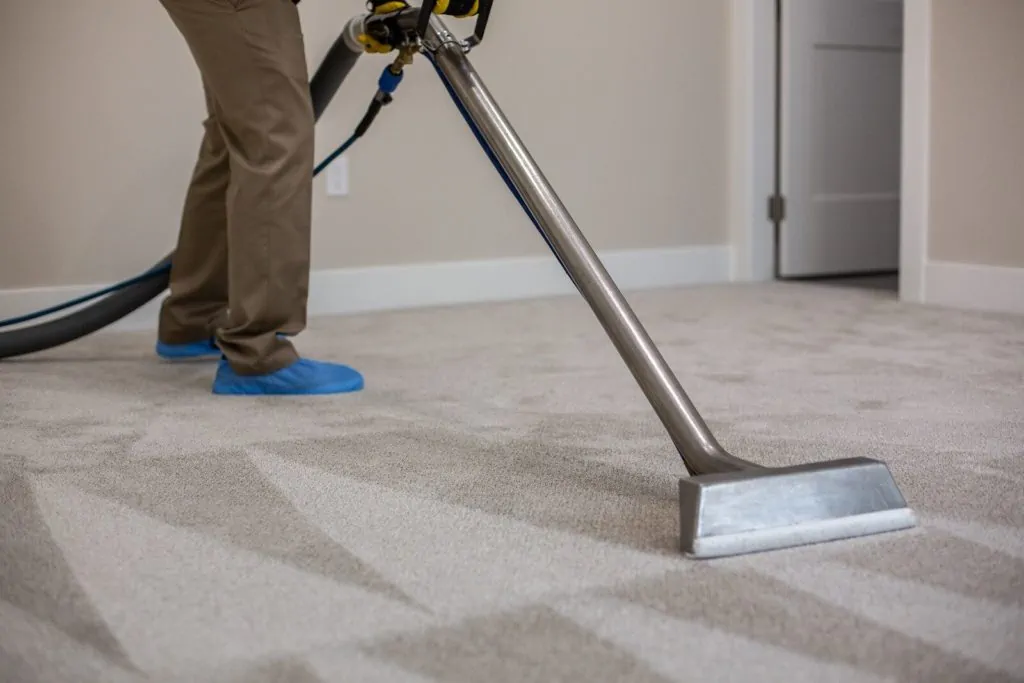
Persistent smells in carpets can be frustrating, especially when regular vacuuming and spot cleaning don’t seem to help. Many homeowners wonder: does steam cleaning remove odors effectively, or is it just another surface-level solution? Understanding how steam works to tackle deep-seated smells can help you decide if this method is right for your home.
Steam technology has become a popular choice for refreshing carpets, thanks to its ability to target both visible dirt and hidden contaminants. In this article, we’ll explore the science behind steam, why it’s effective for odor removal, and how it compares to other cleaning methods. If you’re curious about the how steam carpet cleaning works in detail, you’ll find practical insights here to help you make an informed decision.
Understanding How Steam Targets Carpet Odors
To grasp why steam is so effective for eliminating unwanted smells, it helps to look at what causes those odors in the first place. Carpets can trap a range of substances, including pet accidents, spilled food, smoke, and even bacteria or mold. These contaminants often settle deep within the fibers, making them hard to reach with standard cleaning.
Steam cleaning uses hot water vapor, typically at temperatures above 200°F (93°C), to penetrate carpet fibers. The heat not only loosens dirt and debris but also helps break down odor-causing molecules and kill many types of bacteria and allergens. When combined with powerful extraction, steam can remove both the source of the smell and the particles that contribute to lingering odors.
Does Steam Cleaning Remove Odors Better Than Other Methods?
Compared to dry cleaning or shampooing, steam stands out for its deep-cleaning capabilities. While dry methods may freshen the surface, they often fail to address contaminants embedded in the lower layers of the carpet. On the other hand, steam cleaning vs shampooing carpets reveals that steam can reach areas that other techniques miss, making it more effective for stubborn smells.
The process also uses minimal chemicals, relying primarily on heat and water. This makes it a safer option for households with children, pets, or sensitivities to cleaning agents. However, for the most persistent or set-in odors, such as those from pet urine or smoke, multiple treatments or specialized solutions may be necessary to achieve the best results.

The Science Behind Odor Removal with Steam
The effectiveness of steam for neutralizing smells comes down to a few key factors:
- High Temperature: The heat from the steam can denature proteins and break down organic compounds responsible for odors.
- Moisture Penetration: Steam reaches deep into carpet fibers and backing, loosening trapped particles and making them easier to extract.
- Extraction: Most steam machines use strong suction to pull out both the water and the dislodged contaminants, removing the source of the smell.
- Bacteria and Allergen Reduction: The heat can kill many bacteria, dust mites, and mold spores, which are common contributors to unpleasant odors.
For those interested in natural cleaning approaches, it’s worth noting that steam can be used alongside natural wool rug cleaning methods to minimize chemical exposure while still achieving a thorough clean.
How to Maximize the Odor-Fighting Power of Steam
While steam is highly effective, a few best practices can help you get the most out of your cleaning session:
- Pre-treat Stains and Odors: For strong or persistent smells, use a targeted carpet spray before steaming to help break down the source.
- Vacuum Thoroughly: Remove loose dirt and debris before steaming to allow the vapor to penetrate more deeply.
- Work Slowly: Move the steam cleaner at a steady pace to ensure even coverage and sufficient heat exposure.
- Allow for Drying: After cleaning, let carpets dry completely to prevent new odors from developing due to moisture.
- Repeat if Needed: Some odors, especially from pets or smoke, may require multiple treatments for full removal.

Comparing Steam to Other Carpet Cleaning Methods
When evaluating options for odor removal, it’s helpful to compare steam with other common techniques:
| Method | Odor Removal Effectiveness | Best For |
|---|---|---|
| Steam Cleaning | High – deep penetration, heat kills bacteria | General odors, allergens, pet smells |
| Dry Cleaning | Moderate – surface-level freshening | Quick touch-ups, light soiling |
| Shampooing | Moderate – can leave residue if not rinsed well | Visible stains, light odors |
| Enzyme Cleaners | High for specific organic odors (e.g., urine) | Pet accidents, food spills |
For a more detailed look at the benefits of steam carpet cleaning, you can explore how this method outperforms others in both hygiene and odor control.
Is Steam Safe for All Carpet Types?
Most modern carpets can handle steam, but it’s always wise to check the manufacturer’s care instructions. Some delicate fibers, such as wool or silk, may require lower temperatures or alternative cleaning methods. If you’re unsure, test a small, inconspicuous area first or consult a professional. For more on this topic, see is steam cleaning safe for carpets.
Frequently Asked Questions
Can steam cleaning completely eliminate pet odors from carpets?
Steam is highly effective at neutralizing many pet-related smells by breaking down organic matter and killing bacteria. However, for old or deeply set-in odors, you may need to combine steam with an enzyme cleaner or repeat the process for best results.
How often should I use steam to keep my carpets odor-free?
For most homes, a thorough steam clean every 6–12 months is sufficient. Households with pets, allergies, or heavy foot traffic may benefit from more frequent treatments to maintain freshness and hygiene.
Will steam cleaning remove all types of odors, including smoke and mildew?
Steam can significantly reduce or eliminate many odors, including smoke and mildew, by targeting the source within the fibers. In cases of severe contamination, such as water damage or heavy smoke, professional remediation may be required for complete removal.
Does steam cleaning leave carpets wet or cause mold?
While steam cleaning does use moisture, modern machines are designed to extract most of the water during the process. Proper ventilation and drying are important to prevent mold or mildew growth after cleaning.
In summary, using steam is one of the most effective ways to tackle stubborn carpet odors, thanks to its deep-cleaning action and ability to neutralize odor-causing agents. By following best practices and understanding your carpet’s needs, you can enjoy a fresher, cleaner home environment.
