
Carpet stains are a common frustration for homeowners and renters alike. Whether it’s a spilled glass of wine, muddy footprints, or a pet accident, stubborn spots can make even the cleanest home look unkempt. Many people turn to steam cleaning as a solution, but does steam cleaning remove stains as effectively as advertised? This article takes a practical look at how steam works on carpet blemishes, what types of stains it can tackle, and how to get the best results for your floors.
If you’re curious about the science behind hot water extraction, or you’re weighing the pros and cons of different cleaning methods, you’ll find clear, actionable information here. For a deeper dive into the process itself, you might also want to read about how steam carpet cleaning works and why it’s become a popular choice for deep cleaning.
How Steam Cleaning Works on Carpet Stains
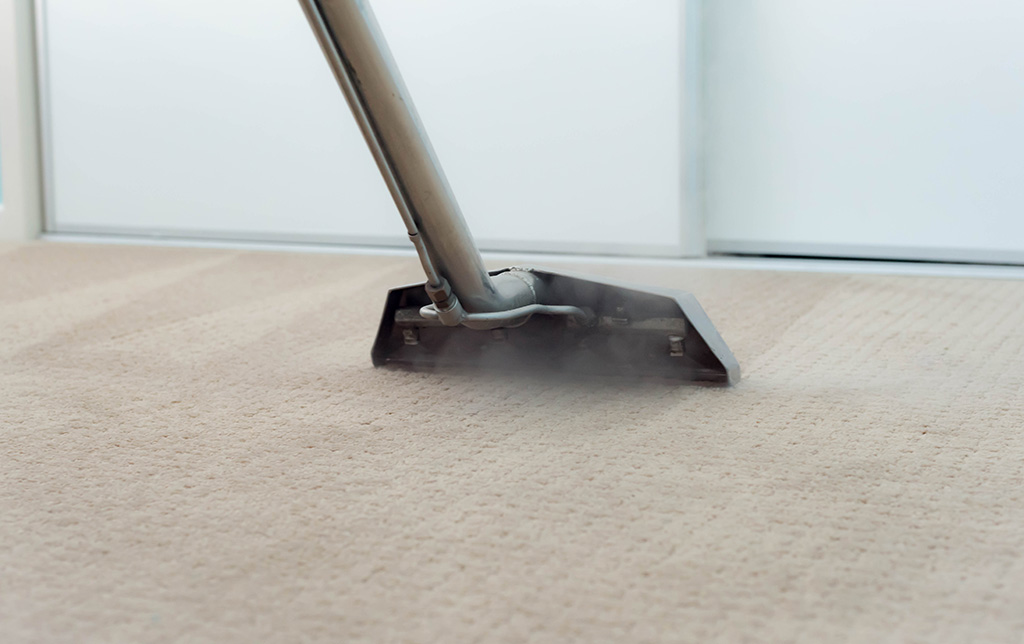
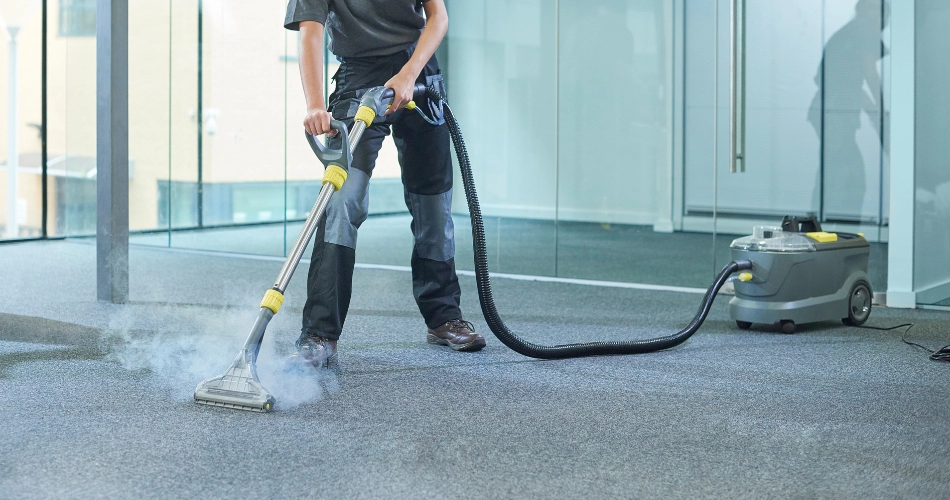
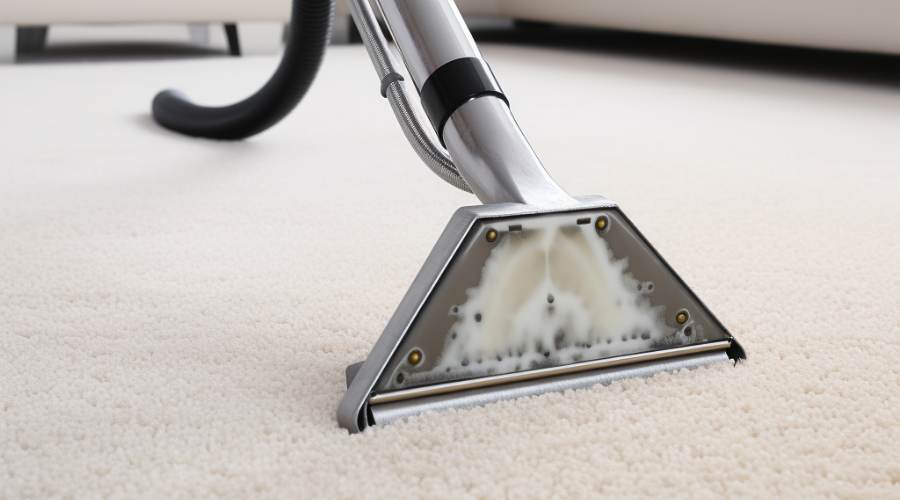
The process of steam cleaning, also known as hot water extraction, involves injecting hot water and cleaning solution deep into carpet fibers. A powerful vacuum then extracts the water along with loosened dirt, debris, and residues. The combination of heat, moisture, and suction is what makes this method so effective for general carpet maintenance.
When it comes to removing stains with steam, the high temperature helps break down many types of spots, especially those caused by organic materials like food, beverages, or pet accidents. The moisture softens dried substances, while the cleaning agents help lift them away from the fibers. However, not all marks respond equally well to this approach, and some may require additional pre-treatment or specialized products.
Types of Stains Steam Can and Cannot Remove
Understanding which blemishes respond best to hot water extraction is key to setting realistic expectations. Here’s a breakdown:
- Organic stains: Spots from coffee, tea, wine, juice, food spills, and pet accidents are often loosened and removed effectively with steam.
- Water-soluble stains: Mud, most dirt, and some ink or dye-based marks can be lifted with this method, especially if treated promptly.
- Oil-based stains: Grease, cosmetics, and some adhesives may not respond well to steam alone. These often require a solvent-based pre-treatment before extraction.
- Old or set-in stains: Marks that have been present for a long time, or that have penetrated deep into the carpet backing, can be difficult to remove completely, even with professional equipment.
- Permanent stains: Some dyes, bleach spots, or chemical burns are not removable by any cleaning method and may require patching or replacement.
Does Steam Cleaning Remove Stains Better Than Other Methods?
Many people wonder how hot water extraction compares to alternatives like shampooing or dry cleaning. In general, steam is considered one of the most effective ways to deep clean carpets, especially for removing embedded dirt and many common stains. The heat and moisture penetrate fibers more thoroughly than most surface-level methods.
However, there are situations where other techniques may be preferable. For example, steam cleaning vs shampooing carpets is a common debate, and the best choice often depends on the type of carpet, the nature of the stains, and how quickly you need the area to dry. Steam is generally safer for most modern carpets, but always check manufacturer recommendations.
How to Maximize Stain Removal with Steam
To get the best results when tackling carpet spots with hot water extraction, follow these practical steps:
- Act quickly: The sooner you address a spill, the more likely you are to remove it completely. Blot up excess liquid before it sets.
- Pre-treat stubborn stains: Use a carpet-safe stain remover or a mixture of water and mild detergent on tough spots before steaming.
- Use the right equipment: A quality steam cleaner with strong suction will extract more moisture and residue, reducing the risk of re-soiling.
- Follow manufacturer instructions: Always check your carpet’s care guidelines to avoid damage, especially with wool or delicate fibers.
- Allow adequate drying time: Proper ventilation and air movement help carpets dry faster, preventing mold and mildew.
For a step-by-step overview, see this detailed guide to steam cleaning carpets for both DIY and professional approaches.
Common Mistakes to Avoid When Using Steam
While hot water extraction is generally safe and effective, there are a few pitfalls to watch out for:
- Over-wetting: Using too much water can saturate the carpet backing and pad, leading to slow drying and potential mold growth.
- Skipping pre-treatment: Some stains need targeted products to break them down before steam can lift them away.
- Improper technique: Moving the cleaner too quickly or not overlapping passes can leave behind dirt and moisture.
- Ignoring carpet type: Some materials, like natural fibers, may shrink or discolor if exposed to excessive heat or moisture.
If you’re concerned about safety or effectiveness, you can learn more about whether steam cleaning is safe for carpets and how to protect your flooring investment.
Benefits of Using Steam for Carpet Stain Removal
There are several advantages to choosing hot water extraction for tackling carpet spots:
- Deep cleaning: Heat and moisture penetrate fibers, removing dirt and allergens that vacuums can’t reach.
- Reduced chemical use: Steam relies mostly on water, making it a greener option for many households.
- Sanitization: High temperatures can help kill bacteria, dust mites, and some viruses.
- Restores appearance: Regular steaming can revive the look and feel of carpets, extending their lifespan.
For more on the advantages of this approach, see the benefits of steam carpet cleaning and how it compares to other methods.
Frequently Asked Questions
Does steam cleaning remove all types of stains?
While hot water extraction is highly effective for many common stains, especially those from food, drinks, and pets, it may not fully remove oil-based, old, or permanent marks. Pre-treatment and prompt action improve results, but some blemishes may require specialized products or professional help.
Is it safe to use steam on all carpets?
Most modern synthetic carpets tolerate steam well, but delicate materials like wool or silk may be damaged by excessive heat or moisture. Always check the manufacturer’s care instructions before using any cleaning method.
How often should I steam clean my carpets?
For most households, a deep clean every 6–12 months is recommended. High-traffic areas or homes with pets and children may benefit from more frequent treatments. Regular vacuuming and prompt spot cleaning help maintain results between sessions.
Can I rent or buy a steam cleaner for home use?
Yes, many hardware stores and retailers offer rental machines, and a range of home units are available for purchase. For best results, choose a model with strong suction and follow all instructions carefully.
Conclusion
Steam cleaning is a proven method for tackling many types of carpet stains, thanks to its combination of heat, moisture, and powerful extraction. While it’s not a miracle cure for every blemish, it’s one of the most effective and eco-friendly ways to refresh your floors and maintain a healthier home. By understanding which stains respond best, using the right techniques, and avoiding common mistakes, you can get the most from your cleaning efforts and keep your carpets looking their best.
