
Sticky residue on carpets can be a persistent nuisance, whether it’s from spilled drinks, adhesive tape, gum, or cleaning products that didn’t rinse out completely. These residues not only attract more dirt but can also make your carpet feel tacky and look dull. Many homeowners wonder: does steam cleaning remove sticky residue effectively, or are there better methods? This guide explores practical solutions, including the role of steam cleaning, to help you restore your carpet’s cleanliness and comfort.
Before diving into the cleaning process, it’s important to understand what causes sticky spots and why they can be so challenging to eliminate. We’ll also compare different cleaning techniques, highlight when professional help might be needed, and provide step-by-step instructions for tackling sticky messes at home. For those interested in the science behind carpet care, you may also want to read about the steam cleaning vs encapsulation cleaning debate, which covers how different methods handle residues and soil.
Understanding Sticky Residue on Carpet
Sticky spots can come from a range of sources: sugary drinks, food spills, glue, tape, or even cleaning products that weren’t fully rinsed. Over time, these residues can trap dust and debris, making the area look darker and feel unpleasant underfoot. If left untreated, they can even damage carpet fibers or cause discoloration.
The challenge with sticky residue is that it often penetrates deep into the carpet pile. Surface cleaning may not be enough, especially if the substance has dried or bonded with the fibers. This is where specialized cleaning methods, such as steam cleaning, come into play.
Does Steam Cleaning Remove Sticky Residue?
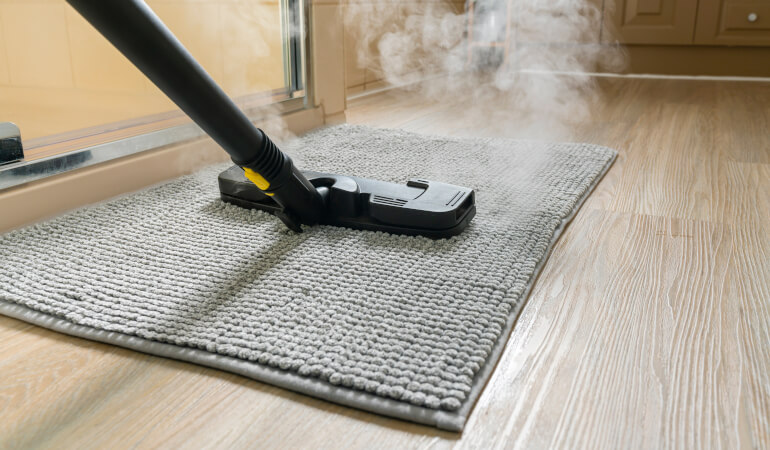
Many people ask, does steam cleaning remove sticky residue thoroughly, or does it just mask the problem? Steam cleaning, also known as hot water extraction, uses high-temperature water and strong suction to break down and extract contaminants from carpet fibers. The heat helps dissolve sticky substances, while the suction removes both the residue and the moisture.
When performed correctly, steam cleaning can be highly effective at removing sticky spots, especially those caused by water-soluble substances like soda, juice, or food. However, some residues—such as adhesives, wax, or oil-based products—may require pre-treatment or additional steps to fully lift them from the carpet.
Step-by-Step Guide to Removing Sticky Residue
For best results, follow these steps to tackle sticky spots in your carpet:
- Identify the Residue: Try to determine what caused the sticky area. Knowing whether it’s sugar-based, oily, or adhesive will help you choose the right cleaning approach.
- Remove Excess Material: If there’s any solid or semi-solid debris, gently scrape it off with a spoon or dull knife. Be careful not to push the residue deeper into the fibers.
- Blot the Area: Use a clean, dry cloth to blot up as much of the sticky substance as possible. Avoid rubbing, as this can spread the mess.
- Apply a Cleaning Solution: For water-soluble residues, mix a small amount of dish soap with warm water and apply it to the area. For tougher spots, a specialized carpet cleaner spray may be needed. Always test any solution on an inconspicuous area first.
- Agitate Gently: Use a soft brush or cloth to work the solution into the carpet. Let it sit for a few minutes to break down the residue.
- Rinse Thoroughly: Blot the area with a damp cloth to remove soap and loosened residue. Repeat as needed until the spot feels less sticky.
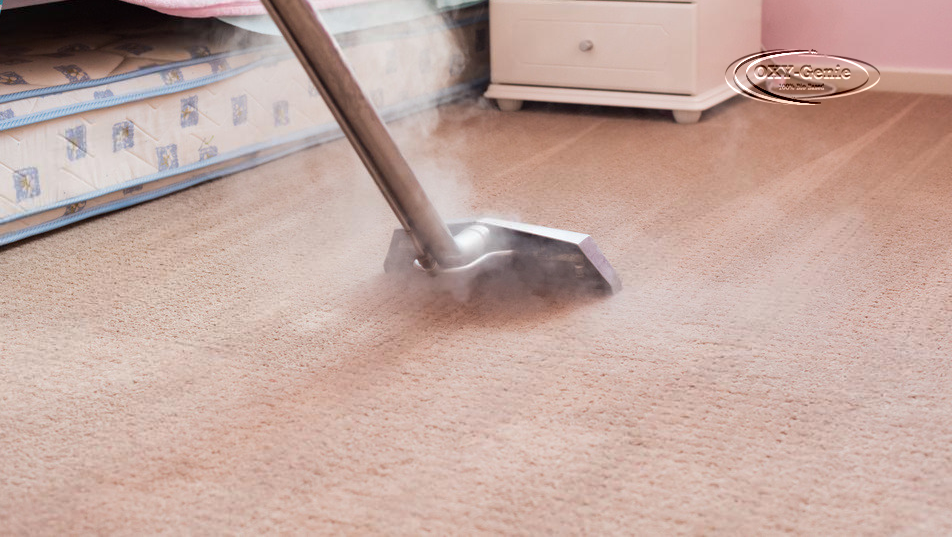
- Steam Clean: If you have access to a steam cleaner, use it to deep clean the area. The heat and suction will help extract any remaining sticky material. For more details on the process, see our resource on the difference between portable and truck-mounted steam cleaning.
- Dry Completely: Allow the carpet to air dry, or use fans to speed up the process. Avoid walking on the area until it’s fully dry to prevent re-soiling.
When to Use Professional Carpet Cleaning Services
While most sticky spots can be handled at home, there are situations where professional help is recommended. Large spills, stubborn adhesives, or residues that have set deep into the carpet may require commercial-grade equipment and expertise. Professional cleaners use advanced steam extraction and pre-treatment solutions to tackle even the most challenging messes.
For a detailed look at what to expect from a professional service, check out this guide to professional carpet cleaning visits.
Tips for Preventing Sticky Residue in the Future
- Act Quickly: Address spills and sticky messes as soon as they happen to prevent them from setting.
- Use Door Mats: Place mats at entrances to reduce the amount of dirt and sticky substances tracked onto carpets.
- Rinse Cleaning Products: After spot cleaning, always rinse the area with water to remove any leftover detergent, which can itself become sticky.
- Schedule Regular Deep Cleaning: Periodic steam cleaning helps maintain carpet freshness and prevents buildup of residues. For those interested in the health benefits, see our article on how steam cleaning helps reduce allergy symptoms.
Comparing Steam Cleaning With Other Methods
While steam cleaning is highly effective for many types of sticky residue, it’s not the only option. Dry cleaning powders, encapsulation, and spot treatments each have their place. For a deeper dive into how these methods compare, see our article on steam cleaning vs encapsulation cleaning.
Steam cleaning stands out for its ability to penetrate deep into carpet fibers and remove both visible and invisible residues. However, for certain adhesives or oil-based stains, a combination of spot treatment and steam extraction may yield the best results. Always follow manufacturer recommendations for your specific carpet type and test new products in a hidden area first.
Frequently Asked Questions
Can steam cleaning completely eliminate sticky residue from carpets?
In most cases, steam cleaning can remove sticky substances, especially if they are water-soluble. However, for stubborn or oil-based residues, pre-treatment with a suitable cleaner may be necessary before using a steam machine.
Is it safe to use household products to remove sticky spots?
Many household solutions, such as diluted dish soap or vinegar, can help with minor sticky messes. Always test on a small, hidden area first to ensure there’s no discoloration or damage to the carpet fibers.
How often should I deep clean my carpet to prevent sticky buildup?
It’s a good idea to deep clean high-traffic areas every 6–12 months. Regular vacuuming and prompt attention to spills will also help keep your carpet free of sticky spots and prolong its life.
What’s the difference between steam and encapsulation cleaning for sticky messes?
Steam cleaning uses hot water extraction to dissolve and remove residues, while encapsulation uses polymers to surround and lift dirt and sticky substances. For a detailed comparison, see our resource on steam cleaning vs encapsulation cleaning.
Conclusion
Tackling sticky residue in carpets requires the right approach and sometimes a bit of patience. Steam cleaning is a powerful tool for most types of sticky messes, but combining it with spot treatments and good maintenance habits will keep your carpets looking and feeling their best. Don’t forget to consult professional cleaners for stubborn or widespread problems, and always follow up with proper drying to prevent new issues from developing.
For more tips on carpet care, including the importance of using the right water temperature and how to deodorize carpets with steam, explore our related articles.
