
Carpets can harbor a surprising amount of dirt, bacteria, and allergens deep within their fibers. Many homeowners and businesses turn to steam cleaning as a solution, hoping it will not only clean but also sanitize carpets effectively. But how well does this method really work for eliminating germs and providing a hygienic surface? This article explores the science behind steam cleaning, its effectiveness in sanitizing, and what you need to know for truly clean carpets.
Before diving into the details, it’s important to understand that not all cleaning methods are created equal. While vacuuming and spot treatments address surface debris, steam cleaning uses high-temperature vapor to penetrate deeper. If you’re interested in maintaining your floors between professional treatments, you may also want to review how to maintain carpets between steam cleanings for ongoing care tips.
How Steam Cleaning Works to Remove Germs
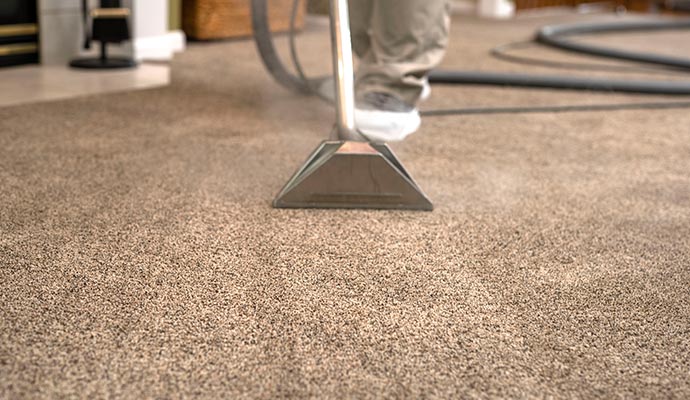
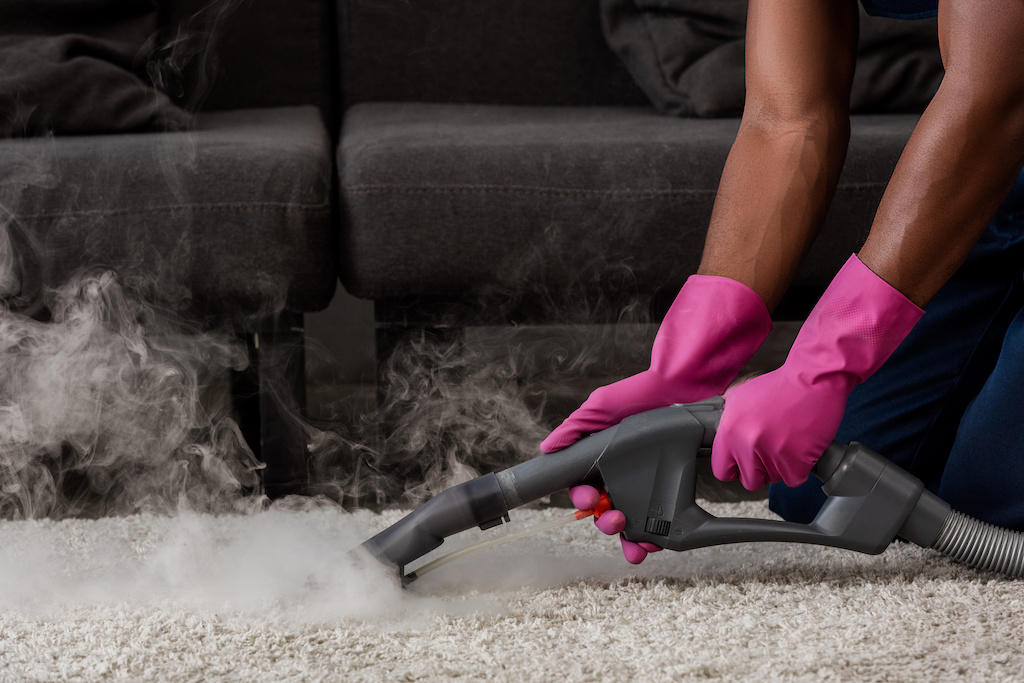
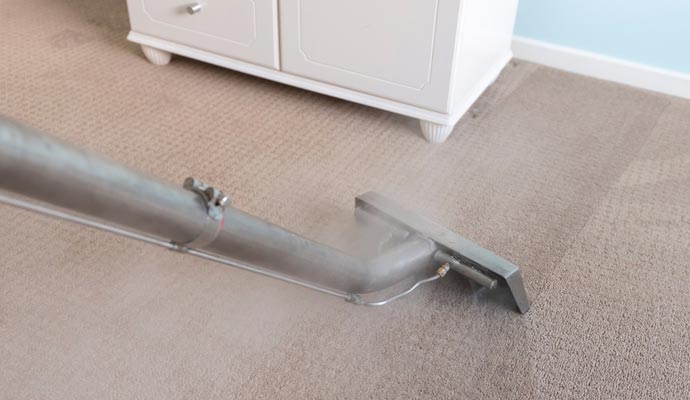
The process of steam cleaning carpets involves using a machine that heats water to a high temperature—typically between 150°F and 300°F. This hot vapor is then injected into the carpet fibers, loosening dirt, stains, and some bacteria. The combination of heat and moisture helps break down contaminants, which are then extracted by the machine’s vacuum system.
The high temperature is key to why many people believe steam can sanitize carpets. Heat above 212°F can kill many common bacteria and dust mites. However, the actual effectiveness depends on several factors, including the temperature achieved, how long the heat is applied, and the type of microorganisms present.
Does Steam Cleaning Sanitize Carpets Completely?
The answer is nuanced. Steam cleaning can reduce the presence of bacteria, viruses, and allergens in carpets, making them much cleaner and healthier. However, “sanitizing” in the strictest sense means eliminating 99.9% of germs. Not all steam cleaners reach the temperatures or dwell times required for this level of disinfection.
For most household and commercial applications, steam cleaning is highly effective at removing dirt and reducing microbial load. It is especially good for tackling dust mites and some bacteria. However, certain pathogens—like mold spores or highly resistant bacteria—may survive if the process is too quick or the temperature is insufficient.
For those seeking the highest level of sanitation, pairing steam cleaning with a specialized carpet sanitizer or disinfectant spray can provide an extra layer of protection. Always check that any chemical used is safe for your carpet type.
Factors That Affect Steam Cleaning Results
Several variables influence how well steam can sanitize carpets:
- Temperature: The hotter the steam, the more effective it is at killing germs. Not all machines reach the necessary heat.
- Dwell Time: The longer the steam is in contact with the carpet fibers, the more germs it can neutralize.
- Carpet Type: Dense or thick carpets may require more time and higher temperatures for thorough cleaning. Delicate materials, such as wool, may not tolerate high heat. For more on this, see what carpet cleaners want you to know about wool.
- Humidity: Environmental factors like humidity can impact drying times and cleaning effectiveness. Learn more about how humidity affects steam cleaning results.
- Pre-Treatment: Applying a cleaning solution before steaming can help break down tough stains and increase the overall sanitizing effect.
Benefits and Limitations of Steam for Carpet Hygiene
There are clear benefits to using steam for carpet care:
- Reduces allergens like dust mites and pet dander
- Removes dirt and some bacteria without harsh chemicals
- Leaves no chemical residue
- Can refresh and deodorize carpets
However, there are also some limitations to consider:
- May not fully eliminate all pathogens, especially if not used properly
- Improper technique can leave carpets too wet, leading to mold or mildew growth
- Some stains or odors may require additional treatments
- Not all carpet materials are suitable for high-heat cleaning
Maximizing the Sanitizing Power of Steam
To get the most out of your steam cleaning routine and ensure a more hygienic carpet, consider these best practices:
- Vacuum thoroughly before steam cleaning to remove loose dirt and debris.
- Use a high-quality steam cleaner capable of reaching at least 212°F for effective germ reduction.
- Allow the steam to dwell on each section for several seconds, especially in high-traffic or heavily soiled areas.
- Consider a pre-treatment spray for stubborn stains or extra sanitation.
- Ensure carpets dry quickly by increasing ventilation or using fans to prevent mold growth.
- For ongoing freshness, review how to prevent carpet stains after cleaning and keep up with regular maintenance.
Comparing Steam Cleaning With Other Methods
While steam is a popular choice, it’s not the only method for carpet care. Alternatives like bonnet cleaning or dry chemical treatments may be better suited for certain situations or carpet types. If you’re weighing your options, see this comparison of steam cleaning vs bonnet cleaning to determine which approach fits your needs.
For deep dirt extraction, some professional services use hot water extraction or specialized machines. Learn more about how to remove deep dirt from carpets for a comprehensive cleaning strategy.
Frequently Asked Questions
Is Steam Cleaning Safe for All Carpet Types?
Most synthetic carpets handle steam well, but delicate materials like wool or silk may be damaged by high heat or excessive moisture. Always check manufacturer guidelines before using steam on specialty carpets.
How Often Should Carpets Be Steam Cleaned for Hygiene?
For homes with pets, children, or allergy sufferers, steam cleaning every 6–12 months is recommended. High-traffic areas or commercial spaces may require more frequent attention.
Does Steam Cleaning Remove Odors as Well as Germs?
Steam can help neutralize many odors by killing odor-causing bacteria and removing embedded dirt. For persistent smells, a targeted deodorizer or enzyme cleaner may be necessary.
Can Steam Cleaning Prevent Future Stains?
While steam cleaning removes existing dirt and some stains, it does not make carpets stain-proof. Applying a carpet protector after cleaning and following tips on how to prevent carpet stains after cleaning can help keep your floors looking fresh longer.
Conclusion
Steam cleaning is a powerful, eco-friendly way to clean and refresh carpets, offering significant reductions in bacteria and allergens. While it does not guarantee complete sterilization, it is one of the most effective non-chemical options for achieving a healthier home or workspace. For best results, choose the right equipment, follow recommended techniques, and supplement with additional treatments as needed. Regular maintenance and prompt attention to spills will help keep your carpets looking and feeling their best.
