
Understanding how carpet cleaners work can help homeowners and facility managers make informed decisions about maintaining cleaner, healthier floors. Modern carpet cleaning technology has evolved to tackle deep-seated dirt, stains, and allergens, offering results that go far beyond what regular vacuuming can achieve. Whether you’re considering renting a machine, hiring professionals, or investing in your own equipment, it’s helpful to know what happens during the cleaning process and what outcomes you can expect.
Before diving into the mechanics and methods, it’s important to note that proper preparation—such as removing surface debris—can significantly improve cleaning results. For more on this, see the importance of carpet pre-vacuuming and why it’s a recommended first step.
The Fundamentals of Carpet Cleaning Technology
At the heart of most carpet cleaning systems is a combination of water, cleaning solution, and mechanical action. The primary goal is to loosen, lift, and remove soil, stains, and allergens embedded in carpet fibers. There are several types of machines and techniques, but the most common are hot water extraction (often called steam cleaning), dry cleaning, and encapsulation.
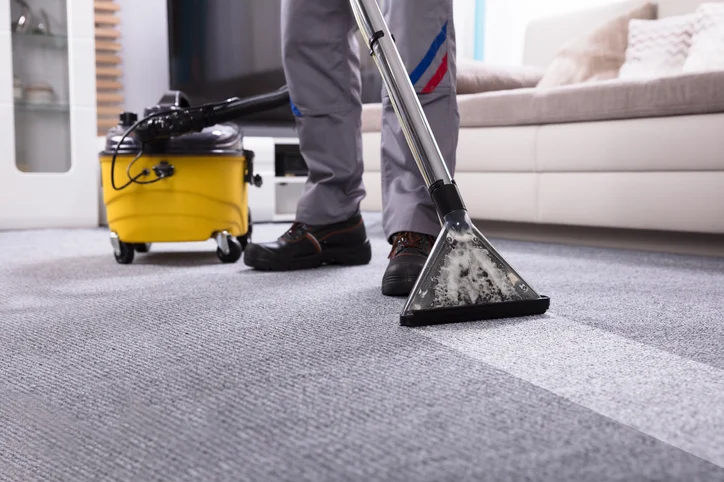
- Hot Water Extraction: This method uses heated water mixed with detergent, which is sprayed deep into the carpet. Powerful suction then removes the solution along with dissolved dirt.
- Dry Carpet Cleaning: Specialized compounds or powders are spread over the carpet and worked in with a brush. These absorb dirt and are then vacuumed away, leaving minimal moisture.
- Encapsulation: A cleaning solution with polymers is applied, which encapsulates dirt particles. Once dry, the residue is vacuumed up, taking the dirt with it.
Each approach has its strengths. Hot water extraction is widely regarded as the most thorough, while dry and encapsulation methods are valued for their quick drying times.
Step-by-Step: The Carpet Cleaning Process Explained
To better understand how carpet cleaners operate, let’s break down the typical workflow for a hot water extraction machine, the most popular method for both residential and commercial settings.
- Preparation: Furniture is moved, and the area is vacuumed to remove loose debris. Pre-treatment sprays may be applied to stubborn stains.
- Application of Cleaning Solution: The machine injects a mix of hot water and detergent deep into the carpet pile, agitating fibers to loosen dirt.
- Extraction: Immediately after application, a powerful vacuum extracts the water, detergent, and suspended soil. This step is critical for removing as much moisture and residue as possible.
- Rinsing (Optional): Some systems include a rinse cycle to remove any remaining detergent, which helps prevent rapid re-soiling.
- Drying: Good airflow and, if available, fans or dehumidifiers are used to speed up drying. Carpets are typically dry within a few hours, depending on humidity and ventilation.
For those with specialty carpets, such as wool blends, techniques may differ. Learn more about how to steam clean wool blend carpets for best results on delicate fibers.
What Makes Carpet Cleaners Effective?
The effectiveness of any carpet cleaning system depends on several factors:
- Water Temperature: Hotter water helps dissolve oils and loosen dirt more efficiently.
- Cleaning Solution: The right detergent breaks down stains and soils without damaging fibers.
- Mechanical Agitation: Brushes or rollers work the solution into the carpet, ensuring deeper cleaning.
- Powerful Extraction: Strong suction removes more water and dirt, reducing drying time and preventing mold or mildew.
For a deeper dive into the science behind these methods, see this comprehensive explanation of carpet cleaning technology from a leading manufacturer.
Common Results and What to Expect
After a professional or DIY cleaning, most users notice several immediate improvements:
- Brighter, more vibrant carpet colors
- Removal of visible stains and spots
- Reduced odors and fresher-smelling rooms
- Less dust and fewer allergens trapped in fibers
- Softer, more comfortable texture underfoot
Some stains, especially those that are old or set, may require multiple treatments or specialized products. For persistent issues like sticky residues, you can learn more about how steam cleaning tackles sticky residue and other tough problems.
Tips for Maintaining Cleaner Carpets Between Deep Cleans
While professional or machine cleaning is essential for removing embedded dirt, regular maintenance can extend the time between deep cleans and keep your carpets looking their best. Here are a few practical suggestions:
- Vacuum frequently, especially in high-traffic areas
- Address spills and stains promptly to prevent them from setting
- Use entry mats to reduce the amount of dirt tracked onto carpets
- Rotate furniture occasionally to prevent uneven wear
- Consider periodic spot cleaning for visible stains
For more strategies, see these tips for keeping carpets fresh between deep cleans.
Frequently Asked Questions
How often should carpets be professionally cleaned?
Most experts recommend a thorough cleaning every 12 to 18 months, though households with pets, children, or allergy sufferers may benefit from more frequent treatments.
Can carpet cleaning remove all stains and odors?
While modern machines and solutions are highly effective, some stains—such as dyes or pet urine—may require specialized treatment. Odors are usually reduced or eliminated, but persistent smells might need additional attention.
Is it safe to clean wool or delicate carpets with standard machines?
Not all machines or detergents are suitable for delicate fibers. Always check manufacturer recommendations and consider using gentler methods for wool or specialty carpets. For more, read about steam care for wool blend carpets.
Does steam cleaning restore faded carpet colors?
While deep cleaning can brighten and refresh the look of your carpet, it may not fully restore colors that have faded due to sun exposure or wear. For more details, see does steam cleaning restore carpet color.
Understanding the mechanics and benefits of modern carpet cleaning can help you maintain a healthier, more attractive home or workspace. With the right approach and regular care, your carpets can look and feel their best for years to come.
