
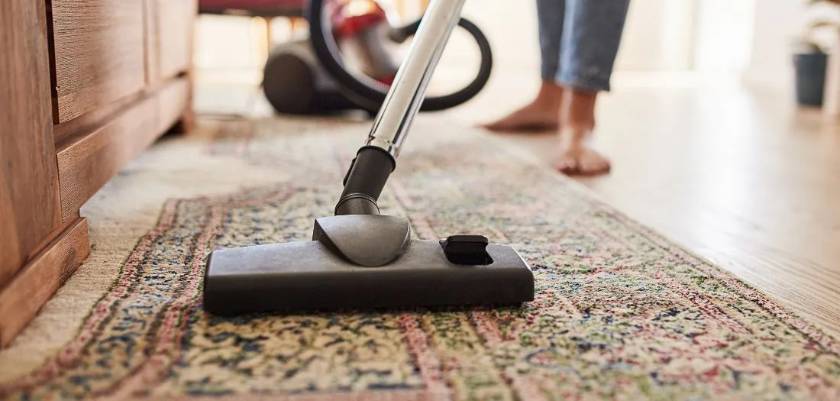
Pet owners know the struggle of keeping carpets free from stubborn fur. Even with regular vacuuming, pet hair can become deeply embedded in carpet fibers, making it difficult to remove with standard cleaning tools. Understanding how carpet rakes remove pet hair from deep within the pile can help you maintain a cleaner, healthier home environment for both you and your pets.
Unlike vacuums that rely on suction, carpet rakes use a combination of static charge and mechanical action to lift and gather hair that’s trapped below the surface. This guide explores the science behind carpet rakes, their benefits, and the best techniques for using them effectively. For a comprehensive overview of strategies, you can also refer to our pet hair removal from carpet home cleaning guide for more tips and tricks.
Why Pet Hair Gets Stuck in Carpet Fibers
Pet hair is notorious for clinging to carpet, especially in homes with high-pile or plush flooring. The structure of carpet fibers creates a web that traps hair, dander, and other debris. Over time, foot traffic and static electricity push fur deeper into the pile, making it nearly invisible and difficult to extract with a vacuum alone.
Some vacuums are designed specifically for pet owners, but even these can struggle with embedded fur. That’s where specialized tools like carpet rakes come in, offering a more targeted approach to pet hair removal from deep within the carpet.
How Carpet Rakes Work to Extract Embedded Fur
Carpet rakes are designed with rows of flexible bristles or rubber blades that penetrate the carpet pile. As you pull the rake across the surface, the bristles reach below the top layer, loosening and lifting hair that’s stuck between fibers. This mechanical action is highly effective for gathering fur that vacuums miss, especially in high-traffic areas or spots where pets like to nap.
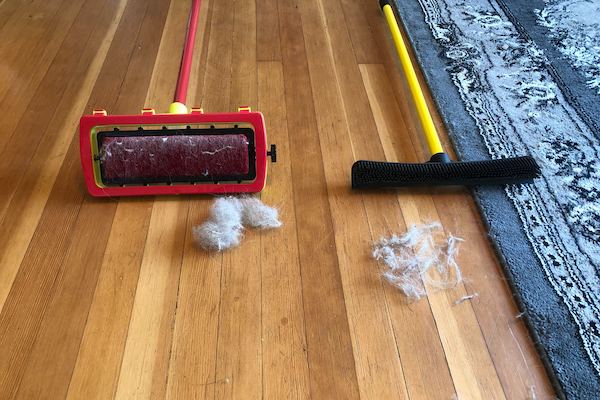
There are two main types of carpet rakes:
- Rubber-bladed rakes: These use static electricity to attract and pull up hair, making them ideal for synthetic carpets and allergy-sensitive households.
- Bristle rakes: With stiff or flexible bristles, these physically agitate the carpet, loosening hair and debris from deep within the pile.
Both types are effective, but the best choice depends on your carpet type and the amount of pet hair you need to remove.
Step-by-Step Guide to Using a Carpet Rake for Pet Hair
To maximize results, follow these steps when using a carpet rake:
- Vacuum first: Start by vacuuming the area to remove loose dirt and surface hair.
- Rake in sections: Work in small areas, pulling the rake toward you with steady, even pressure. Overlap strokes to ensure full coverage.
- Collect the hair: As hair gathers on the surface, use a vacuum or dustpan to pick it up before moving to the next section.
- Repeat as needed: For heavily soiled areas, repeat the process until the carpet looks and feels clean.
Regular use of a carpet rake can significantly reduce the buildup of pet hair, making routine cleaning easier and more effective. For more practical advice, check out our pet hair removal from carpet practical household tips for everyday solutions.
Benefits of Carpet Rakes for Deep Pet Hair Removal
Using a carpet rake offers several advantages over traditional cleaning methods:
- Deep cleaning: Rakes reach below the surface, removing hair that vacuums leave behind.
- Improved air quality: By extracting pet dander and fur, rakes help reduce allergens in your home.
- Carpet longevity: Regular raking prevents matting and fiber damage, extending the life of your flooring.
- Cost-effective: Rakes are affordable, require no electricity, and can be used as often as needed.
For those concerned about carpet damage, many rakes are designed to be gentle on fibers. If you want to avoid harsh chemicals, see our pet hair removal from carpet without harsh chemicals guide for safe alternatives.
Comparing Carpet Rakes With Other Pet Hair Removal Tools
While vacuums and lint rollers are popular, they often fall short when it comes to deep cleaning. Carpet rakes fill this gap by targeting embedded hair. Here’s how they compare:
| Tool | Effectiveness on Deep Hair | Best For |
|---|---|---|
| Vacuum Cleaner | Moderate | Surface debris, routine cleaning |
| Lint Roller | Low | Spot cleaning, upholstery |
| Carpet Rake | High | Deep fibers, heavy shedding |
For best results, combine raking with regular vacuuming. This two-step process ensures both surface and embedded hair are removed, leaving your carpets fresher and cleaner.
Tips for Choosing and Maintaining a Carpet Rake
When selecting a carpet rake, consider the following factors:
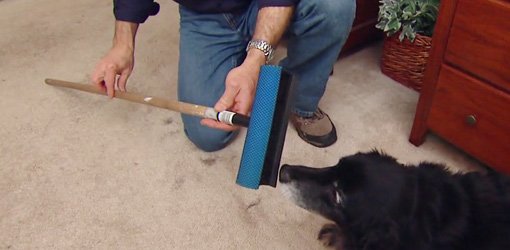
- Carpet type: High-pile and shag carpets may require a rake with longer, more flexible bristles, while low-pile carpets work well with shorter bristles or rubber blades.
- Handle length: Adjustable handles make it easier to reach under furniture and cover larger areas comfortably.
- Ease of cleaning: Choose a rake that’s easy to rinse or wipe clean after use.
To keep your rake effective, remove trapped hair from the bristles after each use. Store it in a dry place to prevent damage, and inspect the bristles regularly for wear. For more advice on protecting your carpet, see our pet hair removal from carpet without damaging fibers article.
Expert Advice and Additional Resources
Professional cleaners often recommend combining raking with vacuuming for optimal results. For persistent issues or allergy concerns, consider using a HEPA-filter vacuum after raking to capture fine dander and dust. You can also find more strategies in our pet hair removal from carpet indoor hygiene tips, which covers hygiene and maintenance for pet-friendly homes.
If you’re looking for more in-depth guidance, this expert guide to removing pet fur from carpets offers additional insights and product recommendations.
Frequently Asked Questions
Can carpet rakes damage my carpet?
Most carpet rakes are designed to be gentle on fibers. However, it’s important to choose the right type for your carpet and avoid excessive force. Always test in a small, inconspicuous area before raking the entire carpet.
How often should I use a carpet rake for pet hair?
For homes with heavy shedding, raking once or twice a week is usually sufficient. In high-traffic or pet-favorite areas, more frequent use may be necessary to keep carpets looking their best.
Are carpet rakes effective on all carpet types?
Carpet rakes work well on most types, including high-pile, low-pile, and shag carpets. For delicate or antique rugs, use a rake with soft bristles and test carefully to avoid damage.
