
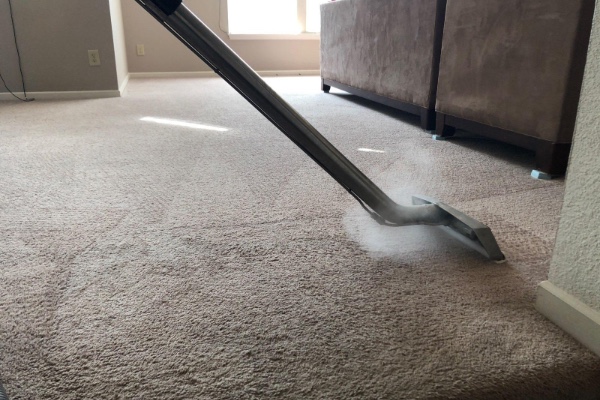
Steam cleaning is a popular method for deep cleaning carpets, upholstery, and hard surfaces. However, many people overlook the significant role that environmental factors—especially humidity—play in the effectiveness of this cleaning technique. Understanding how humidity affects steam cleaning results can help you achieve better outcomes and avoid common pitfalls such as lingering dampness or re-soiling.
In this guide, you’ll learn how moisture in the air influences the drying process, cleaning efficiency, and even the safety of your home environment. We’ll also share practical tips for adjusting your cleaning routine based on current weather conditions. For those interested in the health and environmental benefits of steam cleaning, you may also want to explore the advantages of chemical-free carpet cleaning for a safer home.
Understanding the Science: Why Humidity Matters in Steam Cleaning
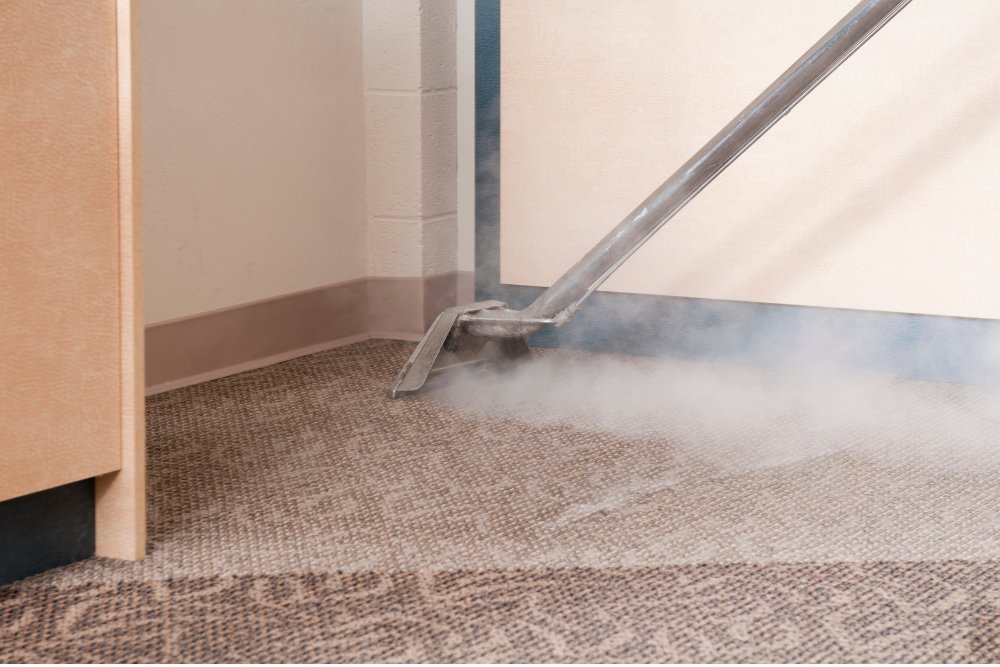
To appreciate the impact of humidity, it’s important to first understand how steam cleaning works. Steam cleaners use heated water to produce vapor, which loosens dirt, kills bacteria, and lifts stains from surfaces. The process relies on both heat and evaporation—after the steam penetrates fibers or surfaces, the moisture must evaporate quickly for effective cleaning and rapid drying.
When the air is already saturated with moisture, evaporation slows down. This means that after steam cleaning, carpets and upholstery may remain damp for longer periods, increasing the risk of mold, mildew, and unpleasant odors.
How Humidity Affects Drying Time and Cleaning Efficiency
One of the most noticeable effects of high humidity during steam cleaning is extended drying time. In humid conditions, the air cannot absorb as much moisture, so water lingers in fabrics and on surfaces. This can lead to several issues:
- Increased risk of mold and mildew: Prolonged dampness creates an ideal environment for microbial growth.
- Re-soiling: Dirt and dust can stick to wet fibers, making your freshly cleaned carpet look dirty again sooner than expected.
- Unpleasant odors: Moisture trapped in carpets or upholstery may cause musty smells.
On the other hand, low humidity accelerates evaporation, allowing surfaces to dry faster and reducing the risk of these problems. For optimal results, it’s best to steam clean when the humidity is moderate or low, or to take steps to improve air circulation and drying.

Tips for Steam Cleaning in Humid Conditions
If you need to clean during a period of high humidity, there are several strategies you can use to minimize negative effects and still achieve a thorough clean:
- Increase ventilation: Open windows and doors if weather permits, or use fans to help move moist air out of the room.
- Use a dehumidifier: Running a dehumidifier before, during, and after cleaning can help lower indoor humidity and speed up drying.
- Limit water usage: Avoid over-wetting carpets or upholstery. Use the minimum amount of steam necessary for effective cleaning.
- Choose the right time: If possible, schedule your cleaning for a day when humidity is lower, such as in the morning or on a dry, sunny day.
- Follow up with dry passes: Many steam cleaners have a suction function. Go over the cleaned area with just the suction to remove as much moisture as possible.
For more on eco-conscious cleaning, see these eco-friendly steam cleaning methods that can help you maintain a healthy indoor environment.
Humidity and Different Surfaces: Carpets, Upholstery, and Hard Floors
The impact of humidity isn’t limited to carpets. Upholstered furniture and even hard floors can be affected by excess moisture in the air. For example, wood and laminate flooring may warp or swell if exposed to prolonged dampness, while upholstery can take much longer to dry, increasing the risk of mold growth.
When cleaning these surfaces, always check manufacturer recommendations and test a small, inconspicuous area first. Using distilled water, as described in how to use distilled water in steam cleaning, can also help prevent mineral buildup and streaking, especially in humid environments.
Common Mistakes When Cleaning in Humid Weather
Many people underestimate the challenges posed by high humidity. Here are some frequent errors to avoid:
- Skipping ventilation: Failing to circulate air can trap moisture indoors, leading to slow drying and musty odors.
- Over-wetting: Using too much water or steam, especially on absorbent materials, can make drying almost impossible in humid conditions.
- Ignoring weather forecasts: Not checking the humidity level before cleaning can result in poor outcomes and unnecessary frustration.
- Neglecting follow-up: Not using fans, dehumidifiers, or dry passes after cleaning can leave surfaces damp for hours or even days.
For step-by-step instructions on getting the best results, see this detailed guide to steam cleaning carpets.
Benefits of Managing Humidity During Steam Cleaning
By paying attention to humidity, you can enjoy several advantages:
- Faster drying times: Reduces the risk of mold, mildew, and re-soiling.
- Improved cleaning efficiency: Steam works more effectively when it can evaporate quickly, lifting dirt and stains away from surfaces.
- Healthier indoor environment: Proper drying prevents allergens and bacteria from thriving in damp areas.
- Longer-lasting results: Cleaned areas stay fresh and odor-free for longer periods.
If you have children or pets at home, you may also be interested in learning about pet- and kid-safe carpet cleaning practices to further protect your family.
FAQ: Humidity and Steam Cleaning
Does high humidity make steam cleaning less effective?
Yes, elevated humidity can slow down evaporation, causing carpets and upholstery to remain damp for longer. This may reduce cleaning efficiency and increase the risk of mold or odors.
What is the best humidity level for steam cleaning?
Ideally, indoor humidity should be below 60% for optimal steam cleaning. Lower humidity allows for faster drying and more effective removal of dirt and stains.
How can I speed up drying after steam cleaning in humid weather?
Use fans, open windows, or run a dehumidifier to improve air circulation and reduce moisture. Avoid over-wetting surfaces and make several dry passes with your steam cleaner if possible.
Can humidity affect hard floors during steam cleaning?
Yes, high humidity can cause hard floors, especially wood and laminate, to absorb moisture and potentially warp. Always follow manufacturer guidelines and ensure proper drying.
Are there any health risks if carpets stay damp too long after cleaning?
Prolonged dampness can encourage mold and bacteria growth, which may trigger allergies or respiratory issues. Managing humidity and ensuring thorough drying helps prevent these risks.
For more on how steam cleaning can improve indoor air quality, see our article on does steam cleaning eliminate dust mites.
