
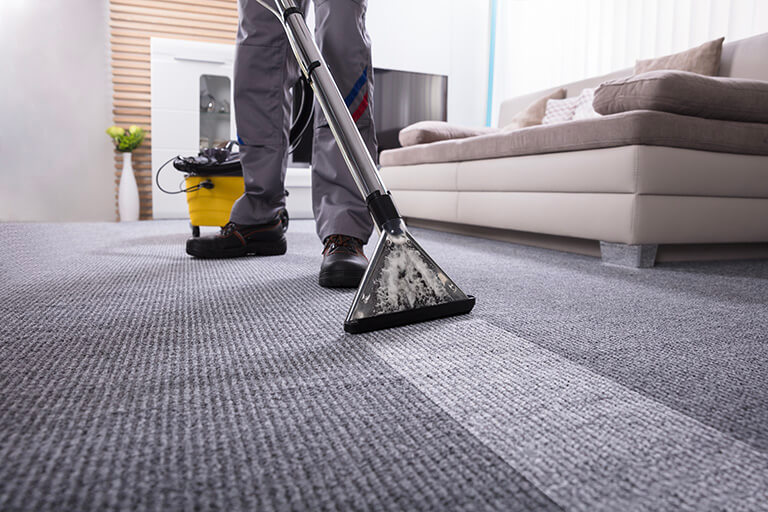
After a thorough steam cleaning, one of the most common questions homeowners ask is how long does it take carpets to dry after steam cleaning. Understanding the typical drying time is important for planning when to move furniture back, allow foot traffic, or resume daily activities. Several factors can influence how quickly your carpet dries, from the type of carpet fibers to the weather conditions in your home. In this guide, we’ll break down what to expect, what impacts drying speed, and how you can help your carpets dry faster and more evenly.
For those interested in a deeper look at the cleaning process itself, you may want to review what happens during steam cleaning process for a step-by-step breakdown.
Typical Carpet Drying Times After Steam Cleaning
On average, carpets take between 6 to 12 hours to dry after a standard steam cleaning session. However, this range can vary. In some cases, carpets may feel dry in as little as 4 hours, while in humid or poorly ventilated environments, it could take up to 24 hours for the fibers to fully release moisture.
The main reason for this variation is that steam cleaning injects hot water and cleaning solution deep into the carpet pile, which is then extracted along with dirt and debris. While professional machines are designed to remove as much water as possible, some moisture inevitably remains.
Key Factors That Affect How Long Carpets Take to Dry
Several elements influence how long does it take carpets to dry after steam cleaning. Understanding these can help you set realistic expectations and take steps to speed up the process.
- Carpet Material: Synthetic fibers like nylon and polyester tend to dry faster than natural fibers such as wool, which can retain moisture longer.
- Carpet Thickness: Plush or high-pile carpets hold more water and take longer to dry compared to low-pile or berber styles.
- Room Ventilation: Open windows, fans, and HVAC systems help circulate air and remove moisture, reducing drying time.
- Humidity and Temperature: Warm, dry weather accelerates evaporation. High humidity or cool temperatures slow it down.
- Cleaning Equipment: Professional-grade extractors remove more water than rental or home-use machines, resulting in faster drying.
- Amount of Water Used: Over-wetting the carpet during cleaning will extend drying times.
How to Speed Up Carpet Drying After Steam Cleaning
If you want to minimize downtime and get your space back to normal quickly, there are several practical steps you can take to help your carpet dry faster:
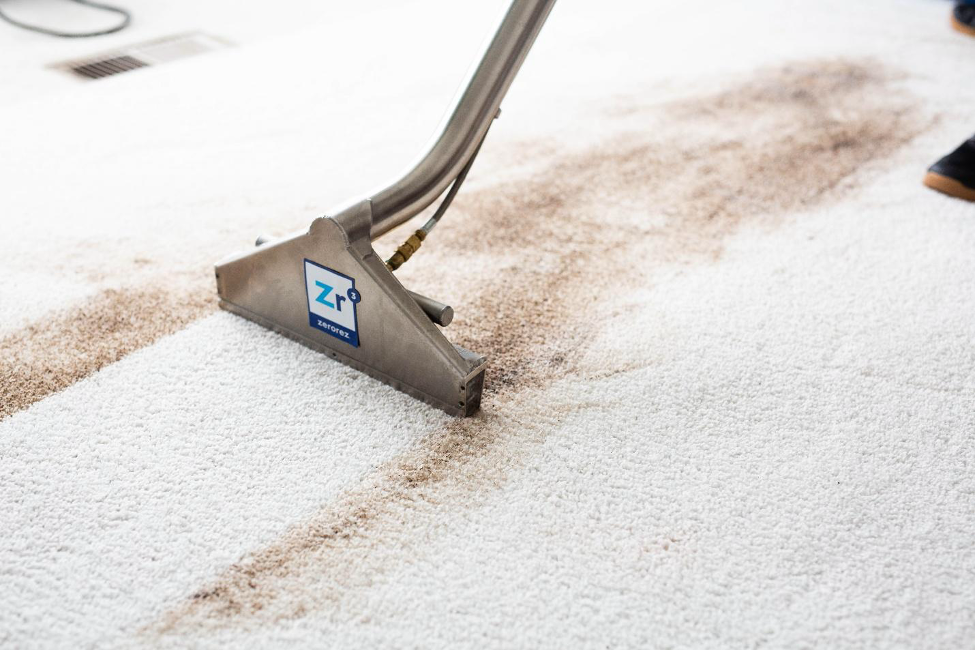
- Increase Airflow: Open windows and doors to promote cross-ventilation. Use ceiling fans or portable fans to keep air moving across the carpet surface.
- Turn On the HVAC System: Running your air conditioner or heater can help regulate humidity and temperature, speeding up evaporation.
- Use a Dehumidifier: In humid climates, a dehumidifier can pull excess moisture from the air, reducing drying time.
- Limit Foot Traffic: Avoid walking on damp carpet to prevent matting and allow for even drying.
- Remove Furniture: Keep furniture off the carpet until it is completely dry to avoid trapping moisture underneath.
For more details on advanced cleaning strategies, see these best methods for deep carpet cleaning that can also impact drying times.
Comparing Steam Cleaning to Other Carpet Cleaning Methods
Steam cleaning is popular for its deep-cleaning capabilities, but it’s not the only method available. Dry cleaning and bonnet cleaning use less moisture, resulting in much shorter drying times—sometimes as little as 1–2 hours. However, these methods may not remove as much embedded dirt or allergens as steam cleaning.
If you are curious about how steam compares to other cleaning approaches, you can read about the difference between dry and steam carpet cleaning for a more detailed comparison.
What to Avoid While Your Carpet Dries
Proper aftercare is just as important as the cleaning itself. Here are a few things to avoid while waiting for your carpet to dry:
- Do not replace furniture too soon: Placing items back before the carpet is dry can trap moisture and cause staining or mildew.
- Avoid covering the carpet: Rugs, mats, or plastic sheeting can prevent airflow and prolong drying.
- Don’t walk barefoot: Oils from your feet can transfer to the damp fibers and attract dirt.
- Skip aggressive vacuuming: Wait until the carpet is fully dry before vacuuming to avoid damaging the fibers.
Why Proper Drying Matters
Allowing your carpet to dry thoroughly after steam cleaning is essential for several reasons. Damp carpets can develop unpleasant odors, attract dirt more quickly, and even foster mold or mildew growth if left wet for too long. Proper drying also helps preserve the texture and appearance of your carpet, ensuring it looks and feels fresh for longer.
For more on why maintaining clean carpets is important for both health and appearance, see this guide to the importance of regular carpet cleaning.
Frequently Asked Questions
Can I Walk on the Carpet Before It’s Fully Dry?
It’s best to minimize foot traffic until the carpet is completely dry. If you must walk on it, wear clean socks or shoe covers to avoid transferring dirt or oils to the damp fibers.
What If My Carpet Is Still Wet After 24 Hours?
If your carpet remains damp after a full day, increase airflow with fans and open windows, or use a dehumidifier. Persistent moisture may indicate over-wetting or poor ventilation. If the problem continues, consult a professional to prevent mold or mildew.
Does Steam Cleaning Remove Pet Odors and Hair?
Yes, steam cleaning is effective at removing pet hair and odors. For more details, check out how steam lifts pet hair from carpet fibers and how to eliminate pet urine smell with steam.
Is It Safe to Use Heaters or Hair Dryers to Speed Up Drying?
Using space heaters or hair dryers is not recommended, as they can cause uneven drying or damage carpet fibers. Stick to fans, HVAC systems, or dehumidifiers for safe and effective drying.
Summary
The time it takes for carpets to dry after a steam cleaning session depends on several factors, including carpet type, room conditions, and the cleaning equipment used. Most carpets will be dry within 6 to 12 hours, but you can speed up the process by improving airflow and controlling humidity. Proper drying is crucial for maintaining the health and appearance of your carpet, so take the necessary steps to ensure a quick and thorough result.
