
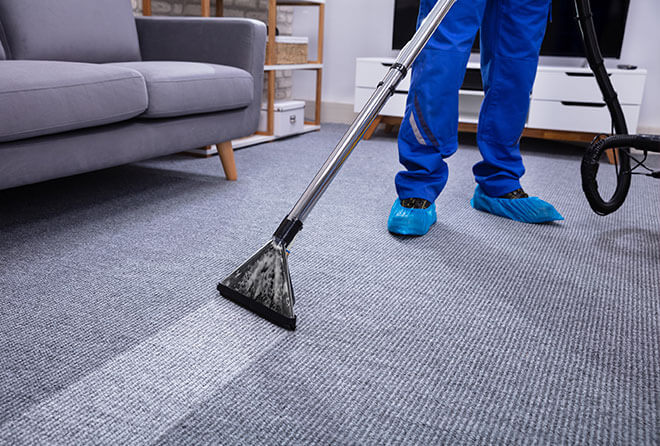
Maintaining clean and healthy floors is crucial for any home or business, especially when it comes to carpets. Over time, carpets can harbor a range of unwanted guests, including dirt, allergens, and harmful microorganisms. One of the most effective methods for deep cleaning and sanitizing carpets is the use of high-temperature steam. Understanding how steam kills bacteria in carpets can help you make informed decisions about your cleaning routine and ensure a safer indoor environment.
Steam cleaning works by delivering hot vapor deep into carpet fibers, breaking down grime and neutralizing pathogens that traditional vacuuming or surface cleaning may leave behind. This method is not only thorough but also eco-friendly, as it typically requires little to no chemical agents. If you’re curious about the science behind steam’s sanitizing power and how to incorporate it into your own cleaning regimen, this article will walk you through the essentials.
For those considering professional cleaning, it’s helpful to know how often to steam clean carpets for optimal hygiene and longevity.
Understanding the Science Behind Steam Disinfection
The effectiveness of steam in eliminating bacteria lies in its ability to reach high temperatures, typically above 212°F (100°C). At these temperatures, steam penetrates carpet fibers and disrupts the cellular structure of bacteria, viruses, and other microorganisms. The intense heat denatures proteins and enzymes within the cells, causing them to break down and rendering the pathogens inactive.
This process is particularly effective against a wide range of bacteria commonly found in flooring, such as Staphylococcus aureus, Escherichia coli, and even some resistant strains. Unlike chemical disinfectants, steam leaves no residue behind, making it a preferred choice for households with children, pets, or allergy sufferers.
How Steam Kills Bacteria in Carpets: Step-by-Step Process
To fully appreciate the benefits of steam cleaning, it’s helpful to break down the process:
- Preparation: Remove loose dirt and debris by vacuuming the carpet thoroughly. This ensures that the steam can penetrate more effectively.
- Heating: The steam cleaner heats water to a high temperature, producing vapor that is released through a nozzle or brush attachment.
- Application: The hot steam is applied directly to the carpet, where it seeps deep into the fibers. The heat destroys bacteria by denaturing their proteins and disrupting their cell membranes.
- Extraction: Many steam cleaners simultaneously extract moisture and loosened dirt, leaving carpets cleaner and drier than traditional shampooing methods.
- Drying: Allow the carpet to air dry completely to prevent any residual moisture from promoting mold or mildew growth.
For best results, always follow the manufacturer’s instructions and consider the ideal temperature guide for effective steam cleaning to ensure maximum bacterial elimination.
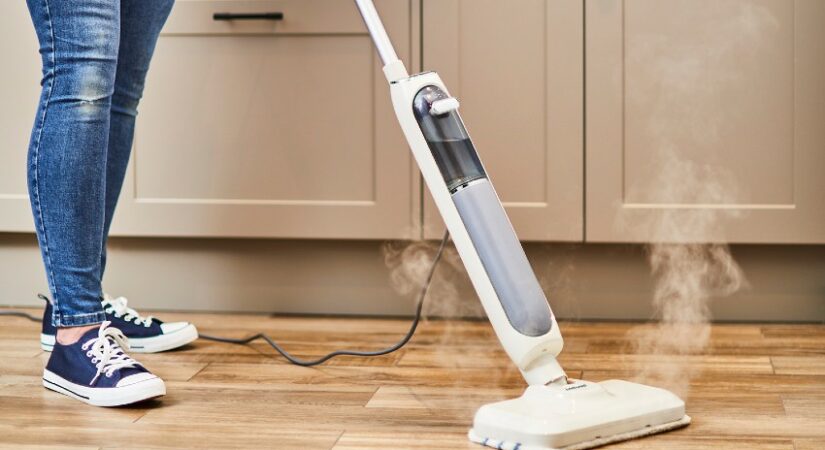
Benefits of Using Steam for Carpet Sanitation
There are several advantages to using high-heat vapor for disinfecting carpets and other flooring types:
- Thorough Disinfection: Steam reaches deep into fibers, targeting bacteria, dust mites, and allergens that are often missed by surface cleaning.
- Chemical-Free Cleaning: Since steam relies on heat rather than harsh chemicals, it’s safer for sensitive individuals and the environment.
- Odor Removal: The process can help neutralize unpleasant smells caused by bacteria and organic matter. For more details, see how steam removes odors from carpets.
- Stain Treatment: While its main strength is sanitization, steam can also help loosen certain stains. For stubborn spots, check out advice on does steam cleaning remove stains.
- Allergy Relief: By reducing dust mites and bacteria, steam cleaning can improve indoor air quality and alleviate allergy symptoms.
Tips for Effective Steam Cleaning and Bacteria Removal
To maximize the sanitizing power of your steam cleaner, keep these practical tips in mind:
- Pre-treat heavy soiling: For high-traffic areas or visible stains, use a compatible carpet spray before steaming.
- Move furniture: Clear the area to ensure even coverage and avoid missing hidden spots where bacteria may accumulate.
- Work in sections: Divide the floor into manageable zones to guarantee thorough treatment.
- Ventilate the room: Open windows or use fans to speed up drying and prevent moisture buildup.
- Regular maintenance: Establish a routine schedule for deep cleaning, and refer to guidance on how to prepare for carpet steam cleaning for best practices.
Comparing Steam Cleaning to Other Disinfection Methods
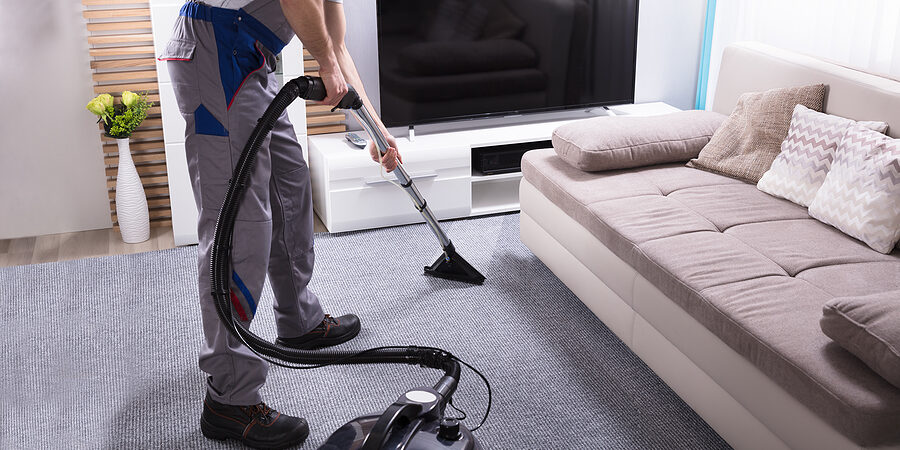
While there are several ways to sanitize carpets, steam cleaning stands out for its combination of effectiveness and safety. Chemical disinfectants can be potent, but they may leave residues or cause irritation. Dry cleaning methods are less invasive but may not reach deep-seated bacteria. In contrast, high-temperature vapor offers a balance of deep cleaning and minimal chemical exposure.
According to expert discussions on carpet sanitation, steam is particularly recommended for households concerned about germs, allergens, and chemical sensitivities.
Frequently Asked Questions
Does steam cleaning remove all bacteria from carpets?
While steam cleaning is highly effective at killing most common bacteria and some viruses, no method guarantees 100% elimination. However, using the right temperature and technique significantly reduces microbial presence, making carpets much safer.
How often should I steam clean my carpets for hygiene?
For most households, deep cleaning every 6 to 12 months is recommended. Homes with pets, children, or high foot traffic may benefit from more frequent sessions. For more details, see advice on how often to steam clean carpets.
Is steam cleaning safe for all types of carpets?
Most modern carpets can withstand steam cleaning, but delicate materials like silk or certain wool blends may require special care. Always check the manufacturer’s recommendations before proceeding.
Can steam cleaning help with odors and stains?
Yes, the heat and moisture from steam can neutralize odors and loosen some stains. For persistent issues, consider using a targeted carpet spray or consult resources on odor removal and stain treatment.
Conclusion
High-heat steam is a powerful ally in the fight against bacteria and other contaminants lurking in carpets. By understanding how steam kills bacteria in carpets and following best practices for application, you can maintain a cleaner, healthier indoor environment. Whether you choose to tackle the job yourself or hire professionals, regular steam cleaning is a smart investment in the longevity and hygiene of your flooring.
