
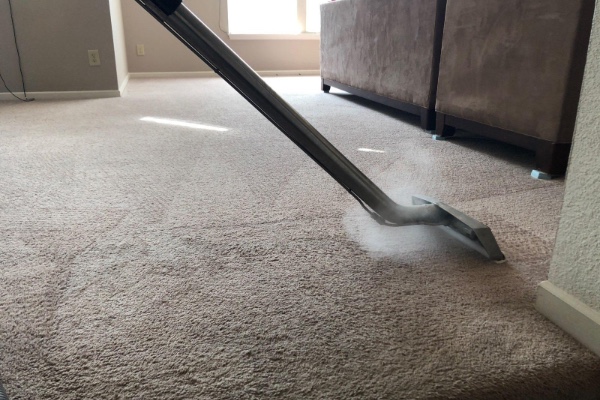
Keeping carpets clean is important for a healthy and comfortable home, but many people run into trouble by making their carpets excessively damp during cleaning. Over-wetting can cause a range of problems, from slow drying and unpleasant odors to mold growth and permanent damage to carpet fibers and backing. Understanding how to avoid over-wetting carpets is essential whether you’re using a machine at home or hiring professionals.
This guide covers practical steps for preventing excessive moisture during carpet cleaning, explains why it matters, and highlights the best techniques and tools to use. If you want to keep your carpets fresh, extend their lifespan, and avoid costly repairs, following these recommendations will help you achieve better results every time.
Before diving into the main steps, it’s worth noting that environmental factors can also play a role in drying times and moisture retention. For example, how humidity affects steam cleaning results is an important consideration, especially in areas with high moisture levels.
Why Over-Wetting Carpets Is a Problem
Excessive moisture during carpet cleaning can lead to a host of issues. When too much water is left behind, carpets take longer to dry, which increases the risk of mold and mildew. This not only causes unpleasant odors but can also pose health risks, especially for those with allergies or respiratory conditions. Overly wet carpets may also experience color bleeding, shrinkage, or separation of the backing, leading to permanent damage.
In addition, deep moisture can weaken adhesives and padding, making carpets feel less comfortable underfoot and potentially shortening their lifespan. For these reasons, learning how to avoid over-wetting carpets is a key part of effective and safe carpet maintenance.
Best Practices for Preventing Excessive Moisture
There are several proven methods to keep carpets from becoming too wet during cleaning. By following these guidelines, you can maintain cleanliness without risking damage.
- Use the Right Amount of Water: Always follow the manufacturer’s instructions for your carpet cleaner. Too much water or cleaning solution can saturate the fibers and backing.
- Make Multiple Dry Passes: After applying the cleaning solution, go over the area several times with just the vacuum function to extract as much moisture as possible.
- Choose Low-Moisture Cleaning Methods: Consider dry carpet cleaning or encapsulation methods, which use minimal water and dry quickly.
- Work in Small Sections: Clean manageable areas at a time so you can control the amount of water used and ensure thorough extraction.
- Monitor the Carpet’s Dampness: Check the carpet with your hand after cleaning. It should feel slightly damp, not soaking wet.

Choosing the Right Equipment and Solutions
The type of equipment and cleaning products you use can make a significant difference in how much moisture remains in your carpets. High-quality machines often have stronger suction, which helps remove more water. When selecting a carpet cleaner, look for models with adjustable water flow and powerful extraction capabilities.
For spot cleaning or maintenance between deep cleans, use sprays or foams that require little to no rinsing. These products are designed to lift dirt without saturating the carpet. If you’re unsure which approach is best for your flooring, consult the manufacturer’s care instructions or seek advice from a professional.
Proper Technique for Home Carpet Cleaning
Many homeowners unintentionally over-wet their carpets by moving too slowly or making too many wet passes with their cleaning machine. To prevent this, start by vacuuming thoroughly to remove loose dirt. When using a carpet cleaner, apply the cleaning solution evenly and avoid lingering in one spot. After the initial wet pass, make several slow, dry passes to extract as much water as possible.
If you’re preparing for a professional cleaning, it’s helpful to review tips on how to prepare your home for professional carpet cleaning. This can ensure that both you and your cleaning service are set up for success and minimize the risk of excessive moisture.
Drying Carpets Quickly and Effectively
Even with the best techniques, some moisture will remain after cleaning. Speeding up the drying process is crucial to prevent mold and odors. Open windows and doors to increase airflow, and use fans or a dehumidifier to help carpets dry faster. Avoid walking on the carpet until it’s fully dry, and move furniture back only after confirming there’s no residual dampness.
For more advice on keeping your flooring in top condition between deep cleans, see these tips for maintaining carpets between professional cleanings.
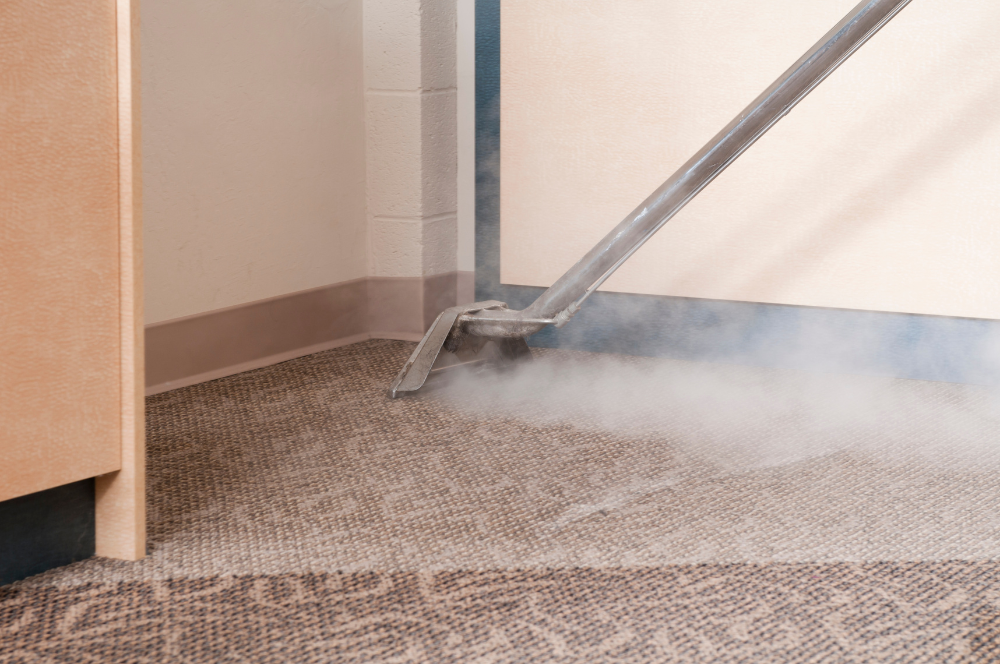
Additional Tips for Preventing Over-Wetting
- Test in an Inconspicuous Area: Before cleaning the entire carpet, test your method in a small, hidden spot to ensure it doesn’t leave the area too wet.
- Blot Spills Immediately: For accidental spills, blot with a clean, dry towel rather than scrubbing or soaking the area.
- Schedule Regular Maintenance: Frequent vacuuming and spot cleaning reduce the need for deep, wet cleaning sessions.
- Protect High-Traffic Areas: Use rugs or runners in busy zones to minimize dirt buildup and reduce the frequency of wet cleaning.
- Prevent Future Stains: For more strategies, check out these tricks to prevent future carpet stains.
Common Mistakes That Lead to Excessive Dampness
Even with the right tools, certain habits can result in too much moisture. Avoid these frequent errors:
- Overusing Cleaning Solution: More detergent does not mean a cleaner carpet. Excess solution is harder to extract and leaves behind sticky residues.
- Skipping Dry Passes: Failing to extract water thoroughly leaves carpets wetter than necessary.
- Cleaning Too Large an Area at Once: Trying to clean a whole room in one go can make it difficult to control moisture and ensure even drying.
- Ignoring Manufacturer Guidelines: Not all carpets are the same. Always check care instructions before cleaning.
FAQ
How can I tell if my carpet is too wet after cleaning?
If your carpet feels squishy underfoot, takes more than 12–24 hours to dry, or emits a musty odor, it is likely too wet. The surface should feel only slightly damp after cleaning, not saturated.
What should I do if I accidentally over-wet my carpet?
Increase ventilation by opening windows and using fans or a dehumidifier. Avoid walking on the carpet until it is dry. If possible, use a wet/dry vacuum to extract excess water. Persistent dampness may require professional help to prevent mold.
Are professional cleaning methods less likely to cause over-wetting?
Professional cleaners typically use equipment with powerful extraction and are trained to control moisture. However, it’s still important to choose a reputable service and discuss your concerns about moisture beforehand.
How often should I deep clean my carpets to avoid moisture issues?
Most carpets benefit from deep cleaning every 12–18 months, but high-traffic areas may need more frequent attention. Regular vacuuming and spot cleaning can reduce the need for wet cleaning.
Conclusion
Preventing excessive moisture during carpet cleaning is essential for maintaining a healthy, long-lasting floor. By using the right equipment, following proper techniques, and staying aware of environmental factors, you can keep your carpets clean and dry. Remember to follow manufacturer guidelines, avoid common mistakes, and use low-moisture methods whenever possible. For more in-depth cleaning advice, explore resources on how to remove deep dirt from carpets or compare steam cleaning vs bonnet cleaning to find the best approach for your needs.
