
Carpets play a significant role in the comfort and appearance of any home or business. However, keeping them clean and fresh can be a challenge, especially with the variety of cleaning techniques available. Understanding how to choose the right carpet cleaning method is essential for maintaining both the look and longevity of your flooring. The right approach depends on several factors, including carpet material, the type of stains, foot traffic, and your maintenance goals.
In this guide, we’ll break down the most common cleaning methods, their pros and cons, and how to match a technique to your specific needs. If you’re interested in keeping your carpets in top shape between professional cleanings, you may also want to explore tips on how to maintain carpets between steam cleanings.
Understanding Different Carpet Cleaning Techniques
Before selecting a cleaning process, it’s helpful to know the main options available. Each method has unique advantages and limitations, making some more suitable for certain situations than others. Here are the most widely used approaches:
- Hot Water Extraction (Steam Cleaning): Uses hot water and cleaning agents injected deep into carpet fibers, then extracted along with dirt and debris.
- Dry Cleaning: Involves minimal moisture and special compounds that attract and absorb dirt, which are then vacuumed away.
- Bonnet Cleaning: A rotating pad soaked in cleaning solution agitates the surface, removing light soil but not deep contaminants.
- Shampooing: Uses foamy detergents and a brush machine to scrub the carpet, followed by vacuuming once dry.
- Encapsulation: Applies a polymer solution that crystallizes dirt particles, making them easy to vacuum up after drying.
Factors to Consider When Picking a Carpet Cleaning Method
The best cleaning technique depends on your carpet’s material, the type of stains or soiling, and your maintenance preferences. Here are some key considerations to help you decide:
-
Carpet Fiber and Construction:
Wool, nylon, polyester, and other fibers react differently to moisture and chemicals. For example, wool is sensitive to high heat and harsh detergents, making gentle methods preferable. Synthetic fibers are generally more resilient and can handle a wider range of cleaning solutions.
-
Type and Level of Soiling:
High-traffic areas or carpets with deep, embedded dirt often benefit from hot water extraction. For routine maintenance or light soiling, dry cleaning or encapsulation may suffice.
-
Drying Time:
If you need your carpet to dry quickly, low-moisture methods like bonnet cleaning or encapsulation are ideal. Steam cleaning, while thorough, may require several hours of drying time.
-
Allergy and Health Concerns:
For households with allergy sufferers, methods that thoroughly remove dust mites and allergens—such as hot water extraction—are recommended.
-
Stain Removal Needs:
Some stains, like pet accidents or wine spills, may require targeted treatments or multiple cleaning passes. Check the manufacturer’s recommendations to avoid damaging your carpet.
Comparing Popular Carpet Cleaning Methods
To help you make an informed decision, here’s a comparison of the most common cleaning techniques based on their effectiveness, drying time, and suitability for different situations.
| Method | Effectiveness | Drying Time | Best For |
|---|---|---|---|
| Hot Water Extraction | Deep cleaning, removes allergens and heavy soil | 6–12 hours | Heavily soiled, high-traffic areas, allergy control |
| Dry Cleaning | Surface cleaning, quick refresh | 1–2 hours | Routine maintenance, delicate fibers |
| Bonnet Cleaning | Surface soil removal | 1–2 hours | Commercial settings, interim cleaning |
| Shampooing | Removes visible dirt, can leave residue | 4–6 hours | Older carpets, visible stains |
| Encapsulation | Good for light to moderate soil | 1–2 hours | Commercial carpets, maintenance cleaning |
Hot Water Extraction: When Deep Cleaning Matters
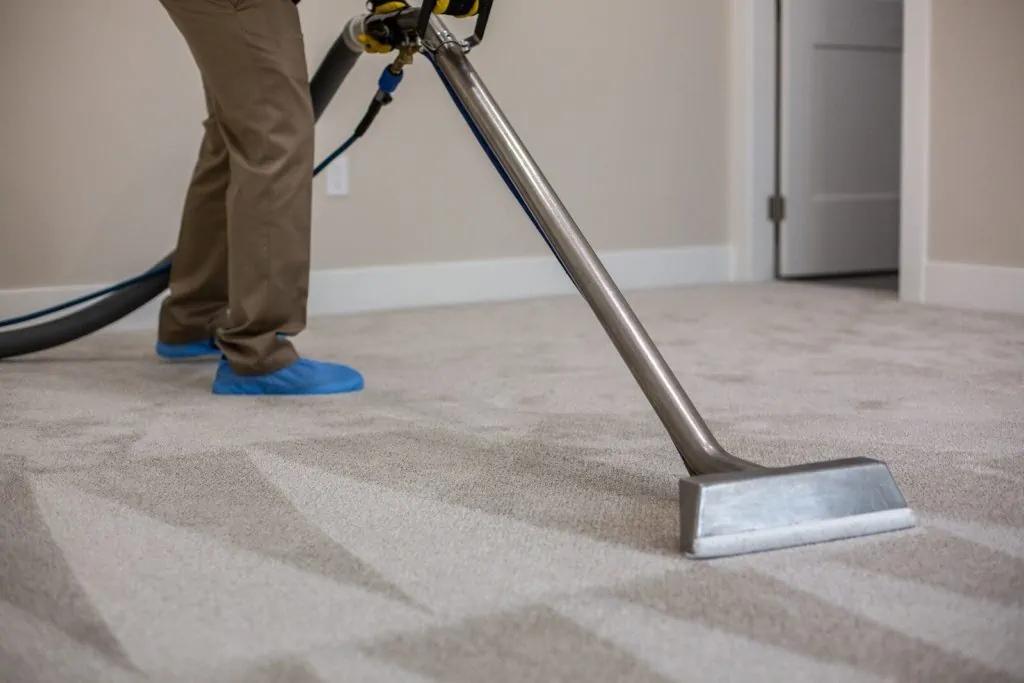
Often referred to as steam cleaning, hot water extraction is considered one of the most thorough ways to clean carpets. It uses high-pressure hot water and cleaning agents to loosen dirt, which is then extracted with powerful vacuums. This method is especially effective for removing deep-seated dirt, allergens, and stubborn stains.
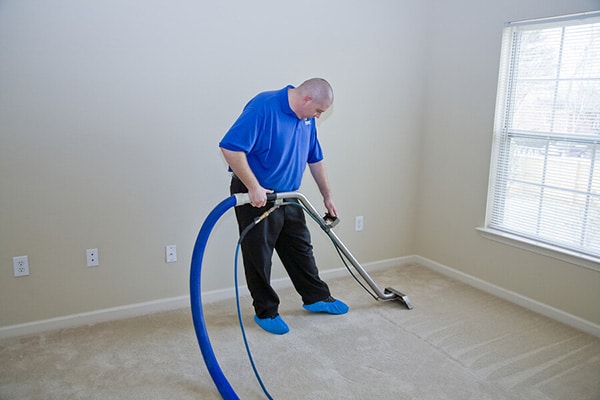
While this approach delivers a deep clean, it does require more drying time. If you’re concerned about moisture or live in a humid climate, it’s helpful to understand how humidity affects steam cleaning results to avoid potential issues like mold or mildew.
Low-Moisture and Dry Cleaning Options
For those who need a faster turnaround or have moisture-sensitive carpets, low-moisture techniques such as dry cleaning, encapsulation, or bonnet cleaning can be a good fit. These methods use minimal water and often allow carpets to be walked on within a couple of hours.
Dry cleaning uses absorbent compounds or powders that are worked into the carpet and then vacuumed up, making it suitable for delicate fibers or areas where downtime must be minimized. Encapsulation is popular in commercial settings for its efficiency and reduced residue.

Bonnet cleaning, while quick, is best for surface-level dirt and may not address deeper issues. If you need to tackle deeply embedded debris, see these effective ways to extract deep dirt from carpets.
Tips for Making the Best Carpet Cleaning Choice
- Check Manufacturer Recommendations: Always review your carpet’s care instructions before choosing a cleaning method. Some warranties require specific techniques.
- Test in an Inconspicuous Area: Before applying any cleaning solution, test it on a hidden section to ensure it doesn’t cause discoloration or damage.
- Consider Frequency of Cleaning: For homes with pets or children, more frequent, low-moisture cleanings may be preferable to reduce wear and tear.
- Prepare Your Space: Move furniture and vacuum thoroughly before starting. For more preparation tips, see this carpet cleaning preparation guide.
- Prevent Future Stains: After cleaning, take steps to protect your carpet. Learn how to prevent carpet stains after cleaning for longer-lasting results.
Frequently Asked Questions
What is the most effective way to clean carpets at home?
The most thorough method for home use is hot water extraction, commonly known as steam cleaning. It removes deep-seated dirt and allergens. However, for routine upkeep, dry cleaning or encapsulation can be effective and convenient.
How often should I clean my carpets?
Most experts recommend deep cleaning every 12–18 months. High-traffic areas, homes with pets, or allergy sufferers may require more frequent attention. Regular vacuuming and spot cleaning help maintain carpet appearance between deeper cleans.
Can I use the same cleaning method for all types of carpet?
Not all carpets are created equal. Wool and delicate fibers may require gentler, low-moisture techniques, while synthetic carpets can handle more aggressive cleaning. Always check the manufacturer’s guidelines before proceeding.
Does humidity affect carpet cleaning results?
Yes, high humidity can slow drying times and increase the risk of mold growth after wet cleaning methods. For more details, see this resource on how humidity affects steam cleaning results.
Conclusion
Selecting the ideal carpet cleaning technique involves weighing your carpet’s material, the level of soiling, and your specific needs for drying time and maintenance. By understanding the strengths and limitations of each approach, you can keep your carpets looking their best and extend their lifespan. Whether you opt for deep steam cleaning or a quick dry method, regular care and the right tools make all the difference.
