
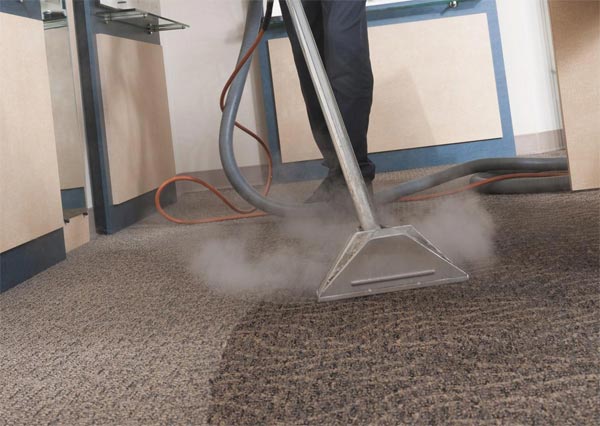
After a thorough steam cleaning, carpets are left damp and require proper drying to prevent issues like mold, mildew, and lingering odors. Knowing how to dry carpet after steam cleaning is essential for maintaining a healthy indoor environment and preserving the longevity of your flooring. This guide covers effective strategies, practical tips, and common mistakes to avoid, ensuring your carpet dries quickly and safely.
Whether you’re a homeowner tackling a seasonal deep clean or a renter preparing for a move-out inspection, understanding the right drying techniques can make a significant difference. Before diving into the step-by-step process, it’s helpful to review related topics, such as how often to steam clean carpets, to keep your floors in optimal condition year-round.
Why Proper Drying Matters After Steam Cleaning
Steam cleaning uses hot water extraction to remove dirt and stains from carpet fibers, but it also leaves behind moisture. If carpets are not dried thoroughly, several problems can arise:
- Mold and Mildew Growth: Damp environments encourage microbial growth, which can damage carpet and affect indoor air quality.
- Unpleasant Odors: Trapped moisture can lead to musty smells that linger long after cleaning.
- Structural Damage: Prolonged dampness may weaken carpet backing or padding, shortening the lifespan of your flooring.
- Resoiling: Wet carpets attract dirt more easily, making them look dirty again sooner.
By following the right steps for drying, you can avoid these issues and enjoy cleaner, fresher carpets for longer.
Step-by-Step Guide: How to Dry Carpet After Steam Cleaning
The drying process begins immediately after steam cleaning. Here’s a practical approach to ensure your carpets dry efficiently:
1. Remove Excess Moisture Immediately
Use a wet vacuum or extractor to go over the carpet a second time, pulling up as much water as possible. This step is crucial for reducing drying time and preventing water from seeping into the padding.

2. Increase Air Circulation
Open windows and doors to promote cross-ventilation. Place fans around the room, aiming them directly at the carpet surface. If possible, use high-velocity or oscillating fans for better airflow. Ceiling fans can also help move air and speed up evaporation.
3. Use a Dehumidifier
In humid climates or poorly ventilated spaces, a dehumidifier is invaluable. It pulls moisture from the air, accelerating the drying of both the carpet and the underlying padding. Run the dehumidifier continuously until the carpet feels dry to the touch.
4. Adjust Room Temperature
Warm air holds more moisture, so increasing the room temperature can help. Set your thermostat to a moderate warmth (around 70–75°F or 21–24°C) to encourage evaporation, but avoid excessive heat that could damage carpet fibers.
5. Avoid Walking on Damp Carpet
Limit foot traffic until the carpet is completely dry. Walking on wet fibers can flatten them and transfer dirt, leading to uneven drying and potential staining.
Additional Tips for Faster Carpet Drying
- Lift Furniture: Place aluminum foil or plastic under furniture legs to prevent rust or stains, and if possible, move furniture off the carpet entirely.
- Groom the Carpet: Use a carpet rake or brush to lift the fibers, allowing air to circulate more freely.
- Spot Drying: For stubborn damp areas, use clean, dry towels to blot up excess moisture.
- Check for Hidden Moisture: Pay attention to corners, edges, and under area rugs, as these spots can stay wet longer.
For more on effective cleaning, see the benefits of steam cleaning for stain removal and how it impacts the drying process.
Common Mistakes to Avoid When Drying Carpets
- Skipping the Wet Vacuum: Not removing enough water initially can double drying times.
- Neglecting Airflow: Relying solely on natural drying without fans or ventilation can lead to dampness and odor.
- Replacing Furniture Too Soon: Putting items back before the carpet is dry can trap moisture and cause stains.
- Ignoring Humidity Levels: High humidity slows evaporation, so always use a dehumidifier if needed.
For a deeper understanding of the science behind steam cleaning, check out the ideal temperature guide for steam cleaning and how it affects drying efficiency.
How Long Does It Take for Carpet to Dry After Steam Cleaning?
On average, carpets take between 6 and 12 hours to dry completely after steam cleaning. Factors influencing drying time include:
- Carpet Thickness: Plush or high-pile carpets retain more moisture.
- Room Ventilation: Well-ventilated spaces dry faster.
- Humidity and Temperature: Dry, warm air speeds up evaporation.
- Cleaning Method: Excess water from over-wetting or inadequate extraction can extend drying time.
To minimize downtime, plan your cleaning for a day when you can keep windows open and fans running. For persistent odors or moisture, see how steam cleaning removes odors from carpets.
Professional Advice and Maintenance Tips
Regular maintenance and prompt drying after each cleaning session are key to a healthier home. Professionals recommend vacuuming frequently, addressing spills quickly, and scheduling deep cleans based on your household’s needs. For more on this, review preparation tips before steam cleaning to streamline your cleaning routine.
The importance of keeping carpets clean and dry is also highlighted in resources like this overview of why carpet cleaning matters, which explains how proper care can extend the life of your flooring and improve indoor air quality.
Frequently Asked Questions
How can I tell if my carpet is fully dry?
Press your hand or a clean paper towel firmly onto the carpet. If it feels cool or damp, or if moisture transfers to the towel, more drying time is needed. Check the padding and corners, as these areas often retain moisture longer.
Is it safe to use a heater or hair dryer to speed up drying?
While moderate heat can help, avoid using direct heat sources like hair dryers or space heaters, as they may damage carpet fibers or cause shrinkage. Stick to fans, dehumidifiers, and gentle warmth from your HVAC system for best results.
What should I do if my carpet still smells musty after drying?
Persistent odors may indicate trapped moisture or underlying mold. Re-dry the area with fans and a dehumidifier, and consider using a carpet-safe odor neutralizer. If the smell remains, consult a professional to check for hidden mold or water damage.
