
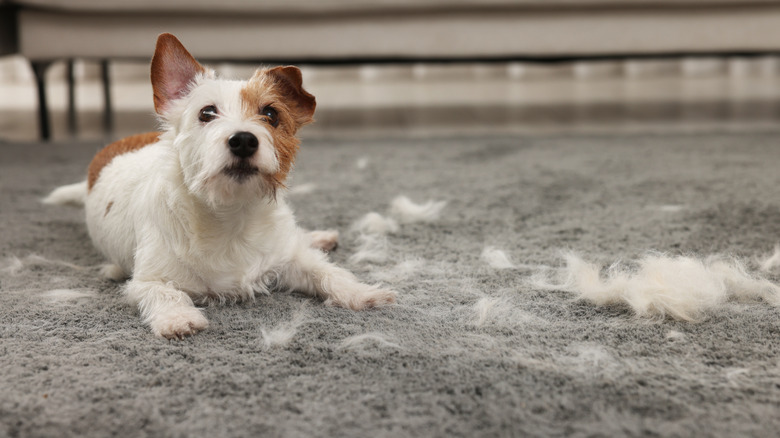
Cat owners know that keeping carpets free of pet hair can be a constant challenge. Feline fur clings to fibers, resists ordinary vacuuming, and seems to multiply overnight. Whether you’re dealing with seasonal shedding or daily deposits, learning how to get cat hair out of carpet efficiently will help maintain a clean, healthy home and extend the life of your flooring.
This guide covers proven techniques, recommended tools, and expert tips for removing stubborn pet hair from carpets of all types. You’ll also find practical advice on preventing buildup and keeping your living space fresh, even with multiple cats in the house. For those interested in understanding more about cleaning products and their effects, check out carpet cleaner myths explained for common misconceptions and facts.
Why Cat Hair Is So Difficult to Remove from Carpets
Unlike dust or loose debris, cat hair is lightweight and often carries static electricity, causing it to cling tightly to carpet fibers. The structure of many carpets, especially those with dense or looped piles, traps fur deep within the weave. This makes simple vacuuming less effective and requires a more targeted approach for thorough removal.
Over time, accumulated pet hair can contribute to allergies, odors, and even damage to your carpet’s appearance. That’s why it’s important to address the issue with the right methods and tools.
Essential Tools for Lifting Pet Hair from Carpets
Professionals rely on a combination of specialized equipment and household items to tackle embedded cat hair. Here are some of the most effective tools:
- Vacuum Cleaners with Pet Hair Attachments: Models designed for pet owners feature strong suction and brush rolls that agitate and lift hair from deep within the carpet.
- Rubber Brooms or Carpet Rakes: The rubber bristles create friction, pulling hair to the surface for easy collection.
- Lint Rollers and Sticky Tape: Useful for spot cleaning and picking up surface hair in high-traffic areas.
- Microfiber Cloths or Damp Sponges: These attract fur through static and can be used to wipe down carpeted stairs or corners.
Investing in the right tools can make a significant difference in your cleaning routine. For delicate or specialty carpets, you may also want to review carpet cleaner for delicate fibers for safe cleaning tips.
Step-by-Step Methods for Removing Cat Hair from Carpet
To achieve professional-level results, follow these steps for deep cleaning and maintenance:
1. Prepare the Area
Remove any objects from the carpeted area. If possible, move furniture to expose all surfaces where pet hair may have accumulated.
2. Loosen Hair with a Rubber Broom or Carpet Rake
Before vacuuming, use a rubber broom or carpet rake to agitate the carpet fibers. Work in short, firm strokes to bring embedded hair to the surface.
3. Vacuum Thoroughly Using the Right Attachments
Use a vacuum cleaner equipped with a motorized brush or pet hair tool. Go over each section slowly, making multiple passes in different directions to capture as much fur as possible. Pay special attention to corners, edges, and under furniture.
4. Spot Clean with Lint Rollers or Tape
For stubborn patches or tight spaces, press a lint roller or wide strip of sticky tape onto the carpet, then lift away the hair. This technique is especially useful for stairs and upholstery.
5. Use a Damp Microfiber Cloth for Final Touches
Lightly dampen a microfiber cloth or sponge and wipe it across the carpet. The moisture and static will help pick up any remaining fur without soaking the carpet.
Preventing Cat Hair Buildup in Carpets
Consistent maintenance is the key to keeping pet hair under control. Here are some strategies to minimize accumulation:
- Brush Your Cat Regularly: Frequent grooming reduces the amount of loose fur that ends up on your floors.
- Vacuum High-Traffic Areas Often: Focus on spots where your cat spends the most time, such as favorite sleeping areas or play zones.
- Use Area Rugs or Throws: These can be washed or shaken out more easily than wall-to-wall carpet.
- Maintain Your Vacuum: Clean filters and brush rolls regularly to ensure optimal performance.
For more tips on avoiding common pitfalls in carpet care, see carpet cleaner mistakes to avoid for better results.
Expert Advice: When to Seek Professional Help
While most pet owners can manage routine cleaning themselves, there are times when professional carpet cleaning is recommended. If you notice persistent odors, deep-set stains, or excessive hair buildup that resists all efforts, hiring a specialist can restore your carpet’s appearance and hygiene.
Professional cleaners use high-powered equipment and specialized solutions to remove embedded fur and allergens. This is especially beneficial for homes with allergy sufferers or multiple pets.
Additional Resources for Pet Hair Removal
For a more comprehensive overview of pet hair removal techniques, you can refer to this detailed guide on removing pet hair from carpet. It offers step-by-step instructions and product recommendations that complement the methods discussed here.
If you have synthetic carpets, you may also find carpet cleaner for synthetic carpets helpful in choosing the best cleaning machines and techniques for your flooring type.
Frequently Asked Questions
What is the most effective way to remove cat hair from carpet?
The most effective approach combines several methods: start by loosening hair with a rubber broom or carpet rake, then vacuum thoroughly using a pet-specific attachment. For stubborn areas, use a lint roller or damp microfiber cloth to pick up remaining fur.
How often should I clean my carpet to control pet hair?
High-traffic areas should be vacuumed at least twice a week, while less-used spaces can be cleaned weekly. Regular grooming of your cat and prompt attention to problem spots will also help minimize buildup.
Can I use homemade solutions to help remove cat hair?
Yes, lightly misting the carpet with water or a mixture of water and fabric softener can reduce static and make it easier to collect hair. Always test a small area first to ensure there’s no discoloration or residue.
Are there any carpet types that resist pet hair better?
Low-pile and tightly woven carpets tend to trap less hair than high-pile or shag styles. Choosing carpets with stain-resistant and anti-static treatments can also help reduce the amount of fur that clings to fibers.
For more information on safe cleaning for upholstery and delicate fabrics, explore carpet cleaner for upholstery for expert advice.
