
Dealing with how to handle detergent residue in carpets is a common challenge for homeowners and renters alike. Whether you’ve attempted a DIY carpet cleaning or used a machine, leftover soap can attract dirt, cause sticky patches, and even lead to unpleasant odors. Understanding why detergent remains in carpet fibers and learning the best removal techniques can help restore your flooring’s look and feel, while also extending its lifespan.
In this article, we’ll break down the causes of detergent buildup, offer step-by-step solutions for removing it, and share tips for preventing future problems. If you’re curious about the steam cleaning vs encapsulation cleaning debate, you’ll find that some methods are better than others for tackling soap residue.
Understanding Detergent Residue in Carpet Fibers
Soap residue is a frequent result of overusing cleaning products, not rinsing thoroughly, or using the wrong type of detergent for your carpet material. When detergent isn’t fully extracted, it leaves behind a sticky film that attracts dust and grime, making your carpet look dirty again soon after cleaning.
Some carpet types, such as wool or dense synthetics, are more prone to trapping cleaning agents. If you’re unsure about your carpet’s material or the best cleaning approach, it’s worth researching or consulting a professional. For example, those with wool carpets may want to review guidance on steam cleaning wool carpet to avoid damaging fibers or leaving unwanted residue.
Common Causes of Soap Buildup
- Excessive Detergent Use: Using more soap than necessary doesn’t make carpets cleaner; instead, it increases the risk of sticky leftovers.
- Insufficient Rinsing: Failing to flush out all cleaning agents leaves behind a film that attracts dirt.
- Improper Equipment: Some home carpet cleaners lack strong extraction, making it harder to remove all detergent.
- Incompatible Products: Using the wrong type of cleaner for your carpet’s material can lead to persistent residue.
How to Remove Detergent Residue from Carpets
The process for how to handle detergent residue in carpets involves a few simple but effective steps. Acting quickly can prevent permanent staining and keep your carpet fresh.
Step 1: Dry Vacuum Thoroughly
Begin by vacuuming the affected area to pick up any loose particles or dried soap crystals. This prepares the carpet for deeper cleaning and ensures you’re not rubbing dirt further into the fibers.
Step 2: Rinse with Warm Water
Using a spray bottle or a clean sponge, apply warm (not hot) water to the area. Avoid soaking the carpet, as excess moisture can cause mold or mildew. Blot with a clean towel to lift out as much soap as possible.
Step 3: Use a Wet/Dry Vacuum or Carpet Cleaner
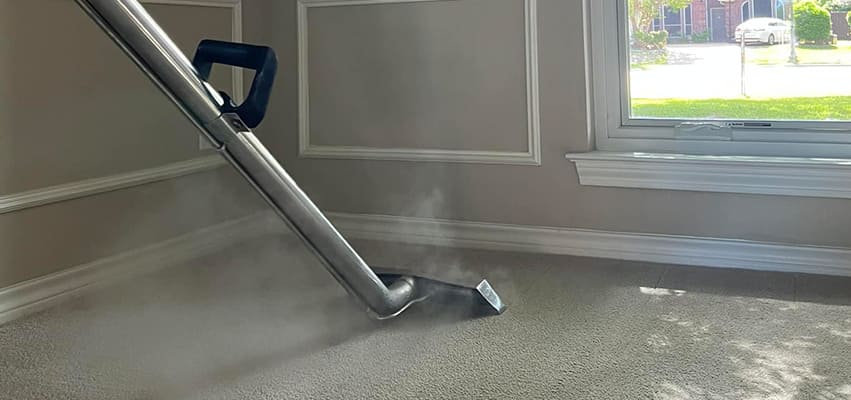
For stubborn spots, a wet/dry vacuum or a carpet cleaning machine is highly effective. These tools extract water and soap from deep within the fibers. If you’re considering a purchase, look for machines with strong suction and rinse-only modes.
Step 4: Repeat as Needed
Sometimes, it takes several rounds of rinsing and extraction to fully remove detergent. Be patient and allow the carpet to dry between attempts to assess progress.
Step 5: Allow to Dry Completely
After cleaning, ensure the area dries thoroughly. Open windows, use fans, or run a dehumidifier to speed up the process. Walking on a damp carpet can reintroduce dirt and slow drying.
Preventing Detergent Buildup in the Future
Once you’ve addressed the immediate problem, a few simple habits can help you avoid similar issues down the road:
- Measure Detergent Carefully: Always follow the manufacturer’s instructions for your cleaning solution and carpet type.
- Rinse Thoroughly: If your carpet cleaner has a rinse cycle, use it. Otherwise, go over the area with plain water after cleaning.
- Regular Maintenance: Schedule routine vacuuming and deep cleaning to prevent dirt and soap from accumulating.
- Choose the Right Equipment: High-quality machines with strong extraction help minimize leftover cleaning agents. For more on equipment, see the difference between portable and truck-mounted steam cleaning guide.
When to Call a Professional
If you’ve tried multiple rounds of rinsing and still notice sticky patches or recurring stains, it may be time to hire a professional carpet cleaner. Experts have access to commercial-grade equipment and specialized solutions that can break down and remove stubborn residues without damaging your flooring.
Professional cleaning is especially recommended for delicate materials, large areas, or if you’re dealing with persistent odors. For those with allergies, regular deep cleaning can help reduce symptoms, as discussed in how steam cleaning helps with allergies.
Related Tips for Carpet Care
Beyond managing detergent residue, keeping your carpets in top condition involves a few additional best practices:
- Use doormats at entrances to reduce tracked-in dirt.
- Address spills promptly to prevent stains from setting.
- Consider periodic deodorizing—learn more in our article on how to deodorize carpets with steam.
- Pay attention to water temperature, as explained in why water temperature makes all the difference for carpet cleaning results.
Frequently Asked Questions
What are the signs of detergent residue in carpets?
Common indicators include sticky or crunchy texture, rapid re-soiling after cleaning, dull appearance, and sometimes a faint soapy smell. If your carpet feels tacky or attracts dirt quickly, leftover soap may be the cause.
Can I use vinegar to remove detergent from carpets?
Yes, a diluted vinegar solution (one part white vinegar to two parts water) can help break down soap residue. Spray lightly, blot with a clean towel, and follow with a water rinse. Always test on a small, hidden area first to ensure colorfastness.
Is steam cleaning effective for removing detergent buildup?
Steam cleaning, when done properly, can help flush out soap from carpet fibers. However, it’s important to use plain water in the rinse cycle and avoid adding more detergent. For a comparison of cleaning methods, see our article on steam cleaning vs encapsulation cleaning.
