
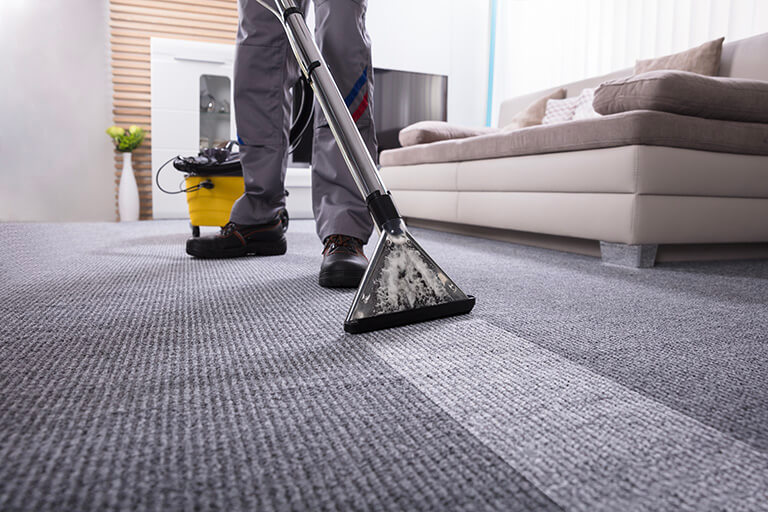
After investing time and effort into cleaning your carpets, it can be frustrating to see them attract dirt again so quickly. Many homeowners wonder how to prevent carpet re-soiling and keep their floors looking fresh for longer. The reality is that a few common mistakes and overlooked steps can lead to rapid dirt build-up, even after a thorough cleaning. Understanding the causes and adopting the right post-cleaning habits can make a significant difference in maintaining spotless carpets.
In this article, you’ll find practical strategies to reduce rapid dirt accumulation, tips for choosing the right cleaning products, and advice on maintaining a clean, healthy carpet environment. For those interested in comparing cleaning methods, you might want to read about the steam cleaning vs encapsulation cleaning approaches, which can impact long-term cleanliness and re-soiling rates.
Understanding Why Carpets Get Dirty Again So Quickly
Even after a deep clean, carpets can seem to attract dirt faster than before. This is often due to leftover cleaning residues, improper rinsing, or environmental factors. When cleaning solutions are not fully extracted, they leave a sticky film that acts like a magnet for dust and debris. Additionally, high foot traffic and indoor air quality can contribute to rapid re-soiling.
Selecting the right cleaning method is crucial. For example, the difference between portable and truck-mounted steam cleaning systems can affect how thoroughly residues are removed, influencing how quickly carpets soil again.
Key Steps to Prevent Carpet Re-Soiling
To keep your carpets cleaner for longer, it’s important to follow a few essential steps both during and after cleaning. Here are some proven strategies:
- Rinse Thoroughly: Always ensure that cleaning agents are fully rinsed out. Any residue left behind can attract dirt.
- Use the Right Products: Choose cleaning solutions that are designed for your carpet type and avoid those with high detergent content.
- Dry Completely: Make sure carpets dry as quickly as possible. Damp fibers are more likely to attract dust and mold.
- Limit Foot Traffic: Keep people and pets off freshly cleaned carpets until they are fully dry to avoid tracking in new dirt.
- Vacuum Regularly: Frequent vacuuming removes surface debris before it can settle deep into the fibers.
Choosing the Right Cleaning Solutions and Equipment
Not all carpet cleaners are created equal. Some products leave behind more residue than others, which can cause rapid re-soiling. Opt for low-residue or encapsulation formulas when possible. Encapsulation cleaning, for example, uses polymers to surround and lift dirt, making it easier to remove without sticky leftovers.
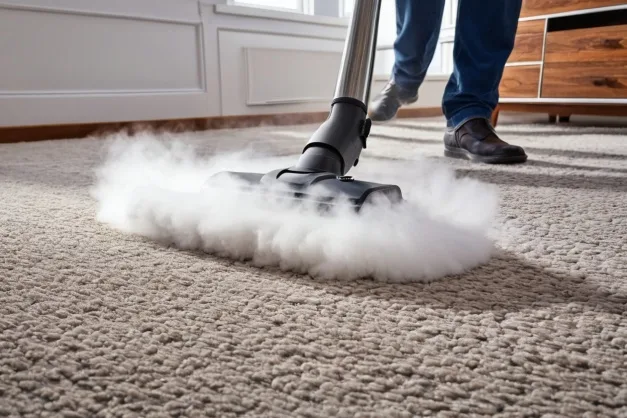
If you’re using steam cleaning, pay attention to the importance of using the right water temperature. Hotter water can help dissolve and extract more dirt and detergent, reducing the risk of residue.

Post-Cleaning Habits That Extend Carpet Freshness
Once your carpets are clean and dry, a few simple habits can help maintain their appearance and prevent rapid dirt build-up:
- Remove Shoes Indoors: Encourage family and guests to take off shoes before walking on carpets. This minimizes the transfer of outdoor dirt and oils.
- Use Entry Mats: Place mats at all entrances to catch dirt before it reaches your carpets. Clean these mats regularly for best results.
- Spot Clean Promptly: Address spills and stains immediately to prevent them from setting and attracting more dirt.
- Control Humidity: Use a dehumidifier if needed, as high humidity can cause carpets to stay damp and attract dust.
Common Mistakes That Lead to Rapid Re-Soiling
Avoiding a few frequent errors can make a big difference in how long your carpets stay clean:
- Overusing Detergent: Using too much cleaning solution leaves excess residue, which attracts dirt.
- Skipping Rinsing: Failing to rinse thoroughly is one of the main reasons for sticky carpets that soil quickly.
- Insufficient Drying: Not allowing carpets to dry completely before use can lead to embedded dirt and even mold growth.
- Ignoring Manufacturer Guidelines: Always follow your carpet manufacturer’s care instructions to avoid damaging fibers or voiding warranties.
For more tips on maintaining a healthy indoor environment, see how steam cleaning helps reduce allergy symptoms and contributes to overall carpet longevity.
Professional Advice and Preparation Tips
Sometimes, hiring a professional is the best way to ensure a deep clean with minimal residue. Professionals use commercial-grade equipment that extracts more water and detergent, reducing the risk of rapid re-soiling. Before a professional visit, it’s wise to prepare your home by removing small items and vacuuming thoroughly. For a detailed checklist, refer to these carpet cleaning preparation tips.
Additional Tips for Long-Lasting Carpet Cleanliness
To further reduce the risk of rapid dirt build-up, consider these extra measures:
- Schedule Regular Deep Cleans: Even with the best daily habits, professional or DIY deep cleaning every 6–12 months is recommended.
- Rotate Furniture: Moving furniture occasionally prevents uneven wear and dirt accumulation in high-traffic areas.
- Use Carpet Protectors: Applying a carpet protector after cleaning can help repel spills and dirt, making future cleaning easier.
- Monitor Indoor Air Quality: Air purifiers and regular HVAC maintenance can reduce airborne dust that settles into carpets.
If odor is a concern, you may find it helpful to learn how to deodorize carpets with steam for a fresher-smelling home.
Frequently Asked Questions
What causes carpets to get dirty again so quickly after cleaning?
The most common reason is leftover cleaning residue. If detergents or cleaning agents are not fully rinsed out, they leave a sticky surface that attracts dirt and dust. High humidity, foot traffic before the carpet is dry, and using the wrong cleaning products can also contribute.
How can I make sure my carpet dries quickly after cleaning?
Increase airflow by opening windows and using fans. A dehumidifier can also help speed up drying. Avoid walking on the carpet until it is completely dry to prevent new dirt from sticking to damp fibers.
Are there specific products that help prevent rapid re-soiling?
Yes, look for low-residue or encapsulation cleaning solutions. These products are designed to leave minimal residue, reducing the likelihood of dirt sticking to the carpet. Applying a carpet protector after cleaning can also help repel future stains and dirt.
Should I vacuum before or after cleaning my carpet?
It’s best to vacuum both before and after cleaning. Pre-cleaning vacuuming removes loose dirt, making the cleaning process more effective. Vacuuming again after the carpet is dry helps remove any loosened debris and fluffs the fibers for a refreshed look.
