
Carpets are magnets for dust, soil, and debris that settle deep within their fibers over time. Even with regular vacuuming, stubborn grime can remain trapped, leading to dullness, odors, and even potential health issues. Understanding how to remove deep dirt from carpets is essential for maintaining a clean and healthy home environment. This guide explores proven strategies and tools for tackling embedded dirt, whether you’re dealing with high-traffic areas, pet messes, or just want to restore your carpet’s original freshness.
If you’re interested in learning about the advantages of chemical-free carpet cleaning or want to know if steam cleaning is safe for kids and pets, you’ll find helpful resources throughout this article. Let’s dive into the most effective methods for deep carpet cleaning and discover which techniques deliver the best results.
Why Deep Cleaning Is Essential for Carpets
Over time, carpets accumulate not just surface dust but also particles that settle far beneath the visible layer. These can include allergens, pet dander, bacteria, and even mold spores. Routine vacuuming is important, but it often fails to reach the lower layers where the most persistent dirt resides. This is why periodic deep cleaning is crucial for both appearance and hygiene.
Deep extraction methods are especially important for households with children, pets, or allergy sufferers. Embedded grime can cause unpleasant odors and contribute to respiratory issues. By learning how to remove deep dirt from carpets using the right approaches, you can extend the life of your flooring and create a healthier indoor environment.
Vacuuming: The First Step in Removing Embedded Soil
While vacuuming alone won’t eliminate all deeply trapped particles, it’s an essential first step. For best results:
- Use a vacuum with strong suction and a rotating brush or beater bar.
- Go over high-traffic areas multiple times in different directions to loosen and lift dirt.
- Empty or replace vacuum bags and filters regularly to maintain optimal performance.
For those interested in minimizing chemical exposure, consider reading about eco-friendly steam cleaning methods that pair well with thorough vacuuming.
Steam Cleaning: A Powerful Solution for Deep Extraction
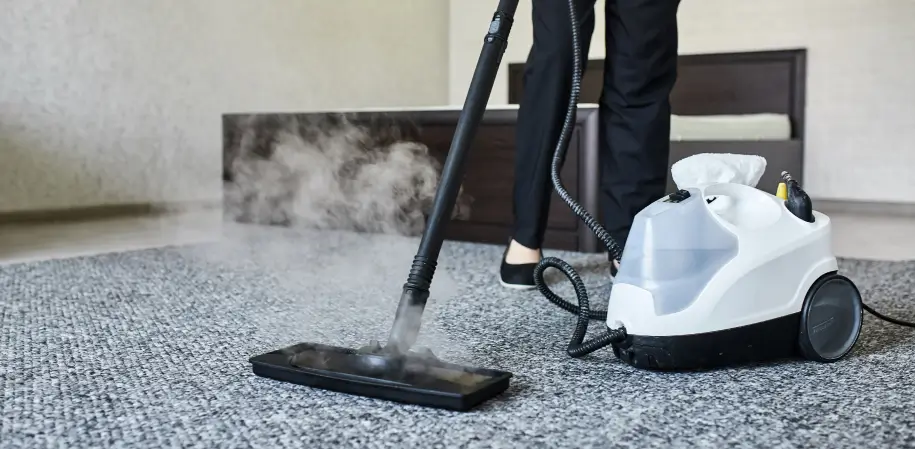
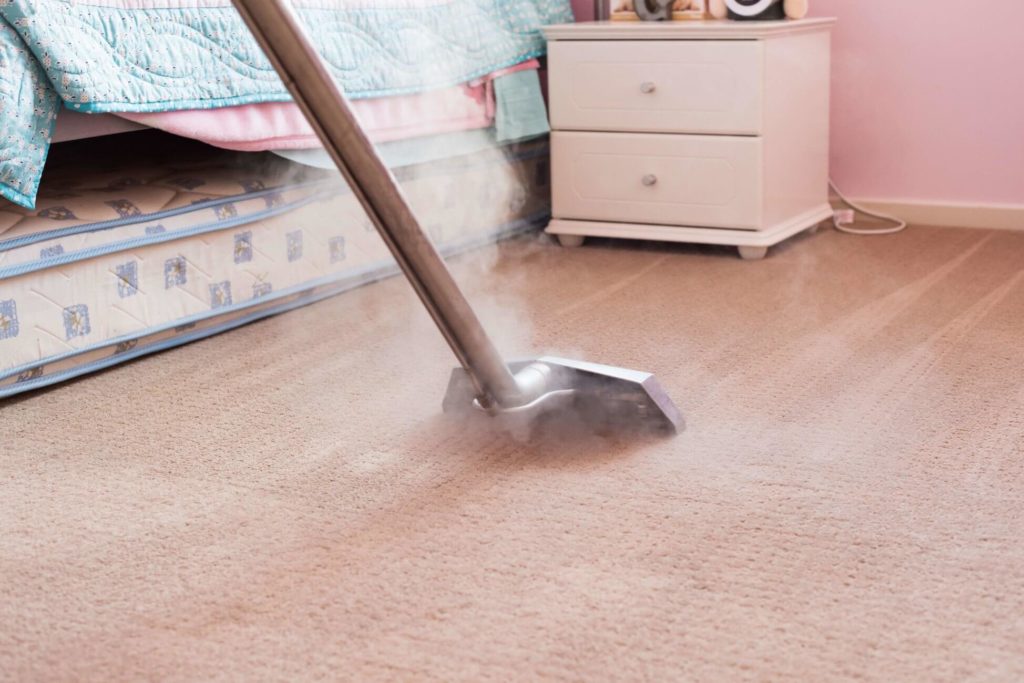
One of the most effective ways to extract ground-in dirt is through hot water extraction, commonly known as steam cleaning. This method uses heated water and cleaning agents to loosen debris, which is then suctioned out of the carpet fibers. Steam cleaning is highly recommended for its ability to reach deep layers and remove stubborn contaminants.

To maximize results, follow these steps:
- Vacuum thoroughly before steam cleaning to remove loose debris.
- Pre-treat stains with a suitable carpet cleaner spray.
- Use the steam cleaner according to the manufacturer’s instructions, making slow, overlapping passes.
- Allow carpets to dry completely before walking on them to prevent new dirt from settling.
For allergy control, you may also want to explore whether steam cleaning eliminates dust mites and how distilled water can improve steam cleaning results.
Manual Methods: Tackling Stubborn Spots and High-Traffic Areas
Sometimes, certain areas require extra attention. Manual agitation and spot treatments are valuable for breaking up compacted dirt. Here’s how to address these problem zones:
- Agitate the carpet fibers with a stiff brush or carpet rake to loosen embedded particles before vacuuming or steam cleaning.
- Apply a targeted carpet cleaning spray to stains or heavily soiled patches, allowing it to dwell for several minutes before blotting or extracting.
- For persistent odors, sprinkle baking soda over the area, let it sit, then vacuum thoroughly.
These hands-on techniques, when combined with machine cleaning, can significantly improve your results and help maintain a fresher carpet between deep cleans.
Professional Carpet Cleaning Services: When to Call the Experts
While DIY methods are effective for routine maintenance, there are situations where professional intervention is the best choice. If your carpet has extensive staining, water damage, or hasn’t been deep cleaned in years, hiring a service can ensure a thorough job. Professionals use commercial-grade equipment and specialized solutions to extract even the most stubborn dirt.
For a detailed overview of what to expect, check out this guide to professional carpet cleaning appointments. Knowing when to seek expert help can save you time and protect your investment in quality flooring.
Tips for Maintaining Cleaner Carpets Between Deep Cleans
Consistent care can help prevent the buildup of soil and extend the time between major cleaning sessions. Here are some practical tips:
- Remove shoes before entering carpeted rooms to minimize tracked-in dirt.
- Vacuum at least once a week, focusing on high-traffic zones.
- Address spills and stains promptly to prevent them from setting.
- Use doormats at entrances to capture dirt before it reaches your carpet.
- Consider professional cleaning every 12–18 months, or more frequently in busy households.
By combining these habits with the deep cleaning strategies outlined above, you’ll enjoy fresher, healthier carpets all year round.
Frequently Asked Questions
How often should I deep clean my carpets to remove embedded dirt?
Most experts recommend deep cleaning carpets every 12 to 18 months. However, homes with pets, children, or allergy sufferers may benefit from more frequent cleaning—every 6 to 12 months—to keep deeply trapped dirt and allergens under control.
Is steam cleaning safe for all types of carpets?
Steam cleaning is suitable for most synthetic carpets, but some natural fibers (like wool) may require gentler methods. Always check your carpet manufacturer’s care instructions before using hot water extraction. For more on safety, see our resource on pet- and kid-safe carpet cleaning practices.
Can I use homemade solutions for deep carpet cleaning?
Homemade solutions, such as a mix of vinegar and water, can be effective for spot cleaning and odor removal. However, for thorough extraction of deep dirt, commercial cleaners or professional equipment typically deliver better results. Be cautious with DIY mixtures to avoid residue buildup or damage to carpet fibers.
