
Pet owners know the struggle of keeping carpets free from fur. Whether you have a dog, cat, or another furry companion, their hair seems to find its way deep into carpet fibers, making regular cleaning a challenge. Understanding how to remove pet hair from carpet effectively can help you maintain a cleaner, healthier home and reduce allergens.
There are many practical methods and tools available to tackle stubborn pet hair. From simple household items to specialized cleaning products, the right approach depends on your carpet type, the amount of hair, and your cleaning routine. In this article, you’ll discover proven techniques for fur removal, plus tips to prevent buildup in the first place.
For a deeper dive into advanced pet hair removal from carpet methods, be sure to check out our related resource. Now, let’s explore the most effective strategies for keeping your carpets fur-free.
Why Pet Hair Sticks to Carpets
Before exploring solutions, it helps to know why pet hair clings so stubbornly to carpet fibers. The main reasons include:
- Static electricity: Hair is attracted to the fibers, especially in dry environments.
- Carpet texture: Dense or high-pile carpets trap fur more easily than low-pile options.
- Natural oils: Oils from your pet’s skin can cause hair to adhere to surfaces.
These factors make regular vacuuming and targeted cleaning essential for managing fur on carpets.
Top 10 Methods for Removing Pet Hair From Carpet
1. Vacuum With a Pet Hair Attachment
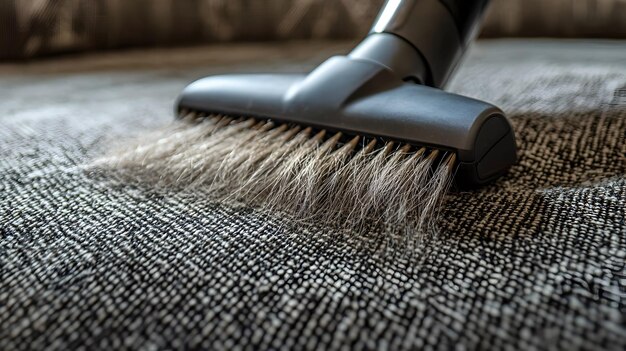
Using a vacuum designed for pet owners is one of the most effective ways to lift embedded fur. Many models come with specialized attachments or brushes that agitate carpet fibers and pull up hair. For best results, vacuum slowly in multiple directions to loosen and collect as much fur as possible.
2. Use a Rubber Broom or Squeegee
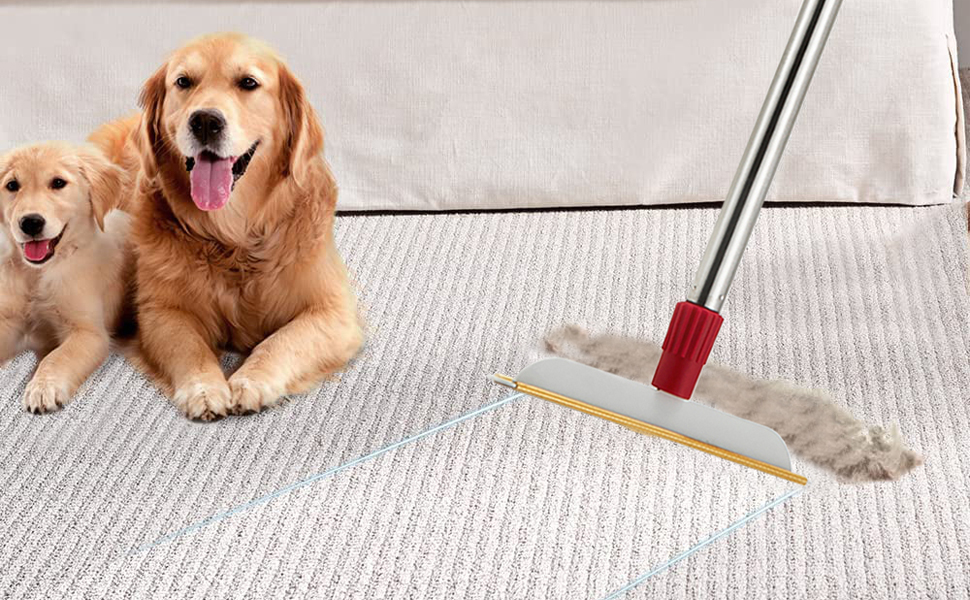
Rubber brooms and squeegees are excellent for gathering fur into piles. The rubber material creates friction, pulling hair from the carpet surface. Simply drag the broom or squeegee across the area, then vacuum up the collected fur. This method is especially useful for high-traffic zones and area rugs.
3. Dampened Sponge or Cloth
Lightly dampen a sponge or microfiber cloth and wipe it over the carpet. The moisture helps the hair stick to the cloth, making it easier to lift away. Be careful not to oversaturate the carpet, as excess water can lead to mold or mildew.
4. Lint Rollers and Sticky Tape
Lint rollers, commonly used for clothing, also work on carpeted stairs and small patches. For larger areas, wrap sticky tape (like packing tape) around your hand, sticky side out, and pat the carpet to pick up fur.
5. Carpet Rakes for Deep Cleaning
Carpet rakes are designed to reach deep into fibers and pull up embedded debris. Rake the carpet in one direction to loosen hair, then vacuum thoroughly. This technique is particularly effective for thick or shaggy carpets.
6. Baking Soda for Loosening Hair
Sprinkle a light layer of baking soda over the carpet before vacuuming. Baking soda helps loosen hair and neutralizes odors. Let it sit for 10–15 minutes, then vacuum as usual.
7. Fabric Softener Spray
Mix a solution of one part fabric softener to three parts water in a spray bottle. Lightly mist the carpet, let it dry, and then vacuum. The softener reduces static, making fur easier to remove.
8. Pet Hair Removal Gloves
Rubberized gloves designed for pet grooming can also be used on carpets. Run your hand over the surface to collect hair, then rinse the glove as needed.
9. Professional Carpet Cleaning
For persistent fur or allergy concerns, consider hiring a professional cleaning service. Deep cleaning machines and steam cleaners can extract hair that household vacuums miss. If you have delicate rugs, review our advice on carpet cleaner for delicate fibers to avoid damage.
10. Regular Maintenance and Prevention
Frequent vacuuming, grooming your pet, and using area rugs in high-traffic spots can minimize fur buildup. Establish a routine to keep carpets cleaner and reduce the time spent on intensive cleaning.
Extra Tips for Managing Pet Hair
- Brush your pet regularly to reduce shedding.
- Wash pet bedding and blankets weekly.
- Use doormats to catch fur before it reaches the carpet.
- Consider air purifiers to trap airborne hair and dander.
For more advice on keeping your cleaning routine safe and effective, review our guide on carpet cleaner mistakes to avoid.
Common Mistakes to Avoid
When tackling fur on carpets, avoid these pitfalls:
- Using a standard vacuum without a brush roll, which may leave hair behind.
- Over-wetting the carpet, which can cause odors or mold.
- Skipping regular cleaning, allowing fur to build up and become harder to remove.
If you’re unsure about which products are safe for your specific carpet, our article on carpet cleaner myths explained can help clarify common misconceptions.
Helpful Resources
For additional cleaning hacks and expert advice, visit this comprehensive guide to pet hair removal from Rug Doctor.
If you need to clean upholstery as well, our resource on carpet cleaner for upholstery provides safe tips for fabric surfaces.
Frequently Asked Questions
What is the fastest way to get pet hair out of carpet?
The quickest approach is to use a vacuum with a pet-specific brush attachment. For small areas or stubborn fur, a rubber broom or a dampened microfiber cloth can also be very effective.
Can I use a regular vacuum for pet hair?
Standard vacuums may not be as effective, especially on thick carpets. Models with motorized brush rolls or pet hair attachments are designed to agitate fibers and lift more hair.
Is there a natural way to loosen pet hair from carpet?
Yes, sprinkling baking soda on the carpet before vacuuming helps loosen fur and neutralize odors. A slightly damp sponge or cloth also works to lift hair without harsh chemicals.
How often should I clean my carpet to control pet hair?
Vacuuming two to three times per week is recommended for homes with pets. Regular grooming and washing pet bedding will also help reduce the amount of fur on your floors.
