

Keeping carpets clean without harsh chemicals is a priority for many households. Using natural steam cleaning methods offers a safe and effective way to refresh your floors, remove dirt, and tackle stains. This approach is especially appealing for families with children, pets, or anyone sensitive to synthetic cleaners. In this guide, you’ll learn how to steam clean carpets naturally, discover the benefits of this method, and get step-by-step instructions for achieving great results with minimal environmental impact.
For those interested in ongoing carpet care, it’s helpful to understand how to maintain carpets between steam cleanings to extend the life and appearance of your flooring.
Why Choose Chemical-Free Steam Cleaning?
Many conventional carpet cleaners rely on strong chemicals that can leave residues and odors behind. By contrast, natural steam cleaning uses only water heated to high temperatures, which is then applied with pressure to lift dirt, bacteria, and allergens from carpet fibers. This method not only avoids introducing toxins into your home but also supports a healthier indoor environment.
Here are some key advantages of using steam for carpet care:
- Safe for children and pets: No chemical residues left behind.
- Effective allergen removal: Steam kills dust mites, bacteria, and some molds.
- Eco-friendly: Reduces reliance on packaged cleaners and minimizes waste.
- Odor elimination: Neutralizes smells without masking them with fragrances.
Preparing for a Natural Carpet Steam Clean
Before starting, it’s important to prepare your space and gather the right supplies. Here’s what you’ll need:
- A steam cleaner (can be rented or purchased)
- Distilled water (prevents mineral buildup in the machine)
- Optional: White vinegar or baking soda for spot treatment
- Vacuum cleaner
- Clean towels or microfiber cloths
Begin by thoroughly vacuuming the carpet to remove loose dirt and debris. Pay special attention to corners and high-traffic areas. If you notice any stubborn stains, pretreat them with a mixture of equal parts white vinegar and water, or sprinkle baking soda on the spot, let it sit for 15 minutes, then vacuum again.
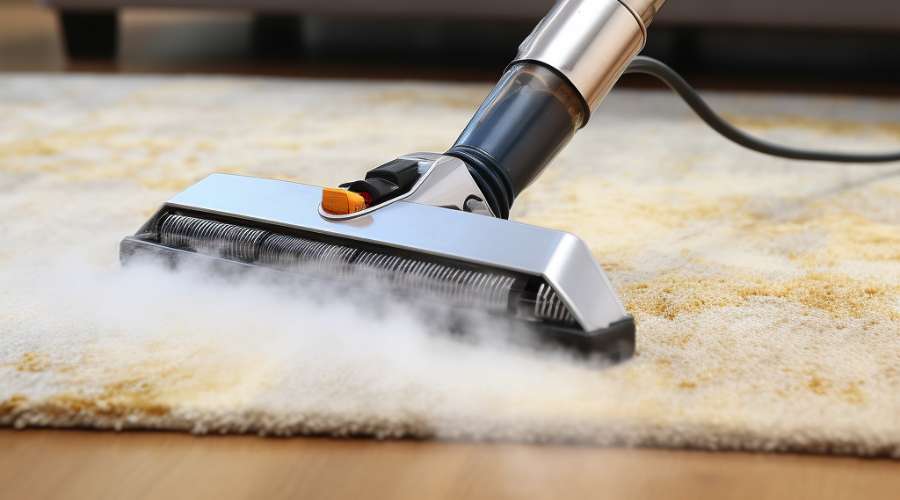
Step-by-Step: How to Steam Clean Carpets Naturally
The process of steam cleaning carpets without chemicals is straightforward, but following each step ensures the best outcome:
- Fill the steam cleaner with distilled water. Avoid adding soap or detergent unless your machine’s instructions specifically allow for it.
- Test a small area of your carpet to check for colorfastness. Wait until dry to ensure no discoloration occurs.
- Start cleaning in sections, moving the steam cleaner slowly over the carpet. Overlap each pass slightly for even coverage.
- Allow extra drying time by opening windows or using fans. Avoid walking on the carpet until it’s fully dry to prevent new dirt from embedding.
- Spot treat as needed with vinegar or baking soda for persistent stains, then steam again over those areas.
For more in-depth advice on removing tough debris, see these effective ways to extract deep dirt from carpets.
Tips for Better Results With Eco-Friendly Carpet Cleaning
To maximize the benefits of natural steam cleaning, keep these tips in mind:
- Use distilled water to prevent mineral buildup and streaking.
- Clean regularly—at least once every six months for low-traffic areas, and more often for busy households.
- Ventilate the room during and after cleaning to speed up drying and reduce musty odors.
- Address spills quickly to prevent stains from setting in.
- Rotate furniture occasionally to avoid uneven wear and keep carpets looking fresh.
If you’re curious about how environmental factors can influence your results, learn more about how humidity affects steam cleaning results.
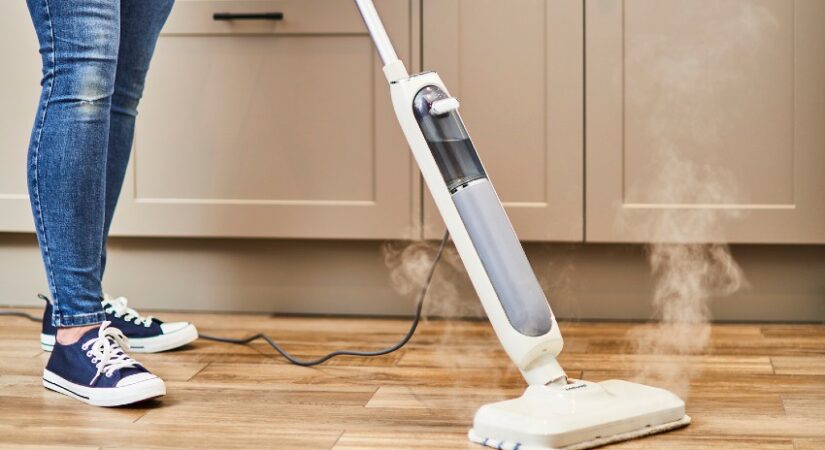
Maintaining Clean Carpets After Steam Cleaning
Once your carpets are clean, a few simple habits can help preserve their appearance and hygiene. Remove shoes before entering carpeted rooms, use doormats at entrances, and vacuum regularly to pick up dust and debris. For additional strategies, check out these tricks to prevent future carpet stains.
Scheduling routine steam cleaning sessions and spot treating stains promptly will keep your carpets looking their best. For more guidance on long-term care, you can also explore professional tips for maintaining your carpet.
Comparing Steam Cleaning With Other Methods
While natural steam cleaning is highly effective, it’s helpful to understand how it stacks up against other approaches. Bonnet cleaning, for example, uses a rotating pad and cleaning solution to scrub the carpet surface, but it may not reach deep into the fibers. Steam, on the other hand, penetrates further and relies on heat rather than chemicals.
If you want to compare options, see this breakdown of steam cleaning vs bonnet cleaning for more details.
Frequently Asked Questions
Is steam cleaning safe for all carpet types?
Most modern carpets can handle steam cleaning, but delicate materials like silk or some wool blends may require special care. Always check the manufacturer’s recommendations and test a small area before proceeding.
Can I add essential oils or natural fragrances to the steam cleaner?
It’s best to avoid adding anything but water to your steam cleaner unless the manufacturer specifically allows it. Essential oils and other additives can damage the machine or leave residues on your carpet.
How often should I steam clean my carpets naturally?
For most households, a thorough steam cleaning every six to twelve months is sufficient. Homes with pets, children, or allergy concerns may benefit from more frequent cleaning.
What should I do if my carpet takes too long to dry?
Increase ventilation by opening windows and using fans. Avoid over-wetting the carpet during cleaning, and consider using a wet/dry vacuum for faster moisture removal if needed.
