
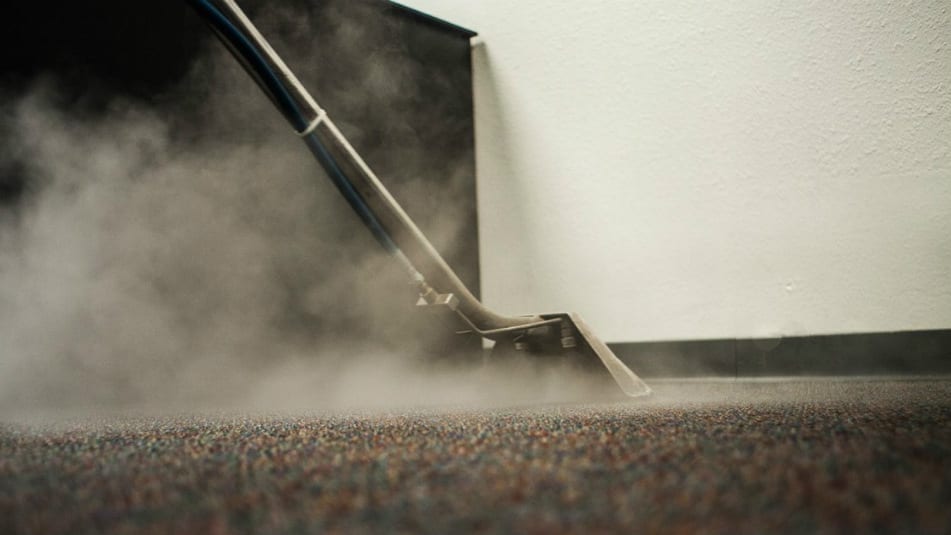
After a deep carpet cleaning, ensuring your floors are properly dried is essential for both comfort and safety. Excess moisture can lead to unpleasant odors, mold growth, and even damage to your carpet and subfloor. Understanding how to test carpet moisture after cleaning helps prevent these issues and keeps your home healthy. This guide covers practical methods, tools, and tips for accurately assessing dampness in your carpets, whether you’re a homeowner or a professional cleaner.
Before diving into the step-by-step process, it’s helpful to understand the importance of moisture checks and how they fit into the broader context of carpet care. If you’re interested in comparing cleaning methods, you might also want to read about steam cleaning vs encapsulation cleaning for additional insights.
Why Monitoring Carpet Dampness Matters
Checking for leftover moisture after cleaning is more than a precaution—it’s a necessity. Carpets that remain damp for too long can become breeding grounds for bacteria, mildew, and mold. These issues not only affect indoor air quality but can also lead to structural problems in your home. Furthermore, persistent dampness may cause carpet fibers to break down prematurely, shortening the lifespan of your flooring investment.
By learning how to test carpet moisture after cleaning, you can avoid these risks and ensure a thorough, safe drying process every time.
Key Tools for Measuring Carpet Moisture
There are several reliable ways to assess how much water remains in your carpet after a cleaning session. The right method depends on your needs, budget, and the type of carpet you have. Here are the most common tools and techniques:
- Moisture Meters: These handheld devices are designed to detect and quantify moisture levels in various materials, including carpet and subfloor. They come in two main types: pin-type (which penetrate the carpet) and pinless (which use sensors to scan the surface).
- Manual Touch and Feel: While less precise, running your hand over the carpet and pressing down with a dry cloth can help you identify damp spots. This method is best for quick checks or when you don’t have specialized equipment.
- Hygrometers: These measure the relative humidity in the room, which can indicate if the environment is conducive to drying. High humidity can slow down evaporation, so monitoring this can help you adjust your drying strategy.
- Paper Towel Test: Placing a clean, dry paper towel on the carpet and applying pressure can reveal hidden moisture. If the towel picks up water, the carpet is still wet beneath the surface.
Step-by-Step Guide: Testing for Residual Moisture
To accurately check for dampness after cleaning, follow these steps. This process works for both wall-to-wall carpets and area rugs:
- Wait for Initial Drying: Allow the carpet to air out for several hours after cleaning. Use fans or open windows to speed up the process, but avoid walking on the carpet until you’re ready to test.
- Start with a Visual Inspection: Look for areas that appear darker or shinier than the rest. These may indicate lingering moisture.
- Use the Touch Test: Gently press your palm or a dry cloth onto various sections of the carpet. If it feels cool or damp, further drying is needed.
- Try the Paper Towel Method: Place a paper towel on the carpet, press down firmly, and check for wet spots on the towel.
- Measure with a Moisture Meter: For the most accurate results, use a moisture meter according to the manufacturer’s instructions. Test multiple spots, especially in high-traffic or thickly padded areas.
- Check the Subfloor (if accessible): If you suspect water has seeped below the carpet, lift a corner and use the meter on the underlay or subfloor.
Tips for Faster and More Effective Drying
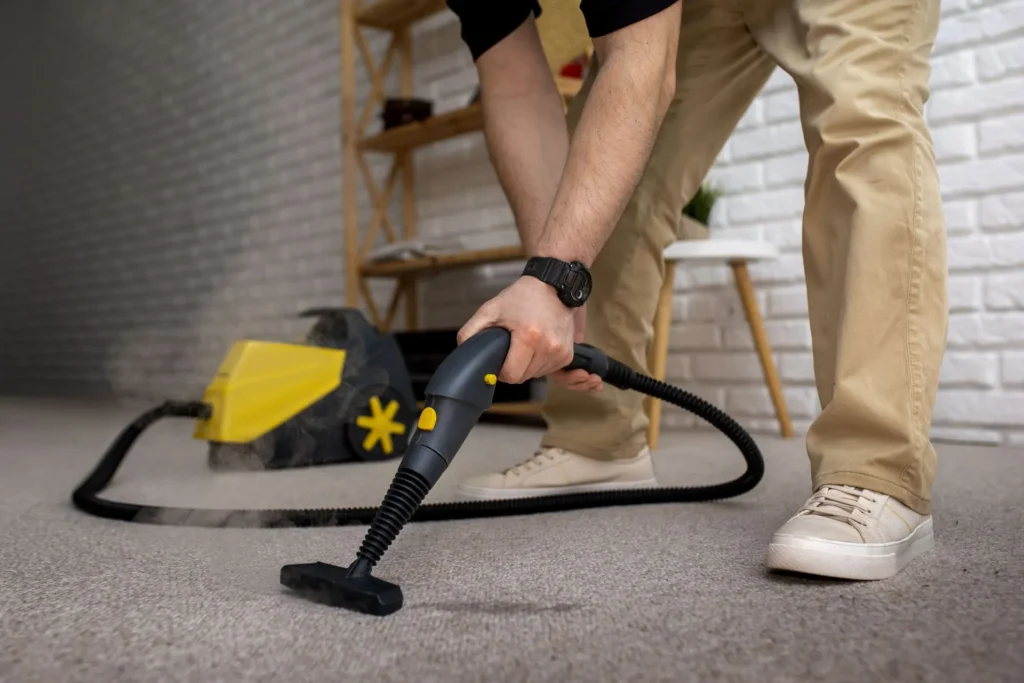
Even after you’ve learned how to test carpet moisture after cleaning, speeding up the drying process is just as important. Here are some practical tips to help your carpet dry thoroughly and quickly:
- Increase Air Circulation: Use fans, open windows, or turn on your HVAC system to keep air moving across the carpet.
- Use a Dehumidifier: Especially in humid climates, a dehumidifier can significantly reduce drying time by pulling moisture from the air.
- Limit Foot Traffic: Avoid walking on the carpet until it’s fully dry to prevent dirt transfer and matting.
- Lift Furniture: Place furniture on blocks or remove it from the room to allow air to circulate freely.
- Choose the Right Cleaning Method: Some techniques, such as steam cleaning, leave more moisture behind than others. For more on this, see the difference between portable and truck-mounted steam cleaning.
Common Mistakes When Assessing Carpet Dampness
Avoiding these pitfalls can help you get more accurate results when checking for leftover moisture:
- Relying Only on Surface Feel: Carpets can feel dry on top but still be wet underneath. Always check deeper layers, especially after heavy cleaning.
- Skipping Hidden Areas: Corners, under furniture, and thickly padded sections dry more slowly. Don’t overlook these spots.
- Not Using Proper Tools: While manual checks are useful, a moisture meter provides the most reliable data, especially for large or valuable carpets.
- Ignoring Room Humidity: High humidity slows evaporation. Monitor and control indoor humidity to promote faster drying.
Additional Resources for Carpet Care
For those seeking more detailed cleaning techniques, this step-by-step guide to steam cleaning carpets provides helpful visuals and instructions. You can also learn about how to deodorize carpets with steam for a fresher finish after cleaning.
If you’re curious about the science behind cleaning, the importance of using the right water temperature is another valuable topic. And for allergy sufferers, understanding does steam cleaning help with allergies can help you make better choices for your home environment.
Frequently Asked Questions
How long does it take for carpets to dry after cleaning?
Drying times vary based on carpet thickness, cleaning method, humidity, and airflow. Most carpets dry within 6–12 hours, but some may take up to 24 hours. Using fans and dehumidifiers can help speed up the process.
Can I walk on the carpet before it’s fully dry?
It’s best to avoid walking on damp carpet to prevent dirt transfer and matting. If you must walk on it, wear clean socks or shoe covers and keep traffic to a minimum until the carpet is completely dry.
What should I do if my carpet stays wet for more than a day?
If your carpet remains damp after 24 hours, increase ventilation and use a dehumidifier. Persistent moisture may indicate a deeper issue, such as water trapped in the underlay. In such cases, consider consulting a professional to prevent mold and damage.
Is it necessary to use a moisture meter every time I clean my carpet?
While not always required for routine maintenance, a moisture meter is highly recommended after deep cleaning or water damage. It provides accurate readings and peace of mind, especially in humid climates or with thick carpets.
What are the signs of mold or mildew in carpet?
Signs include musty odors, discoloration, and visible spots or patches. If you notice any of these, act quickly to dry the area and consider professional cleaning to address the issue.
