
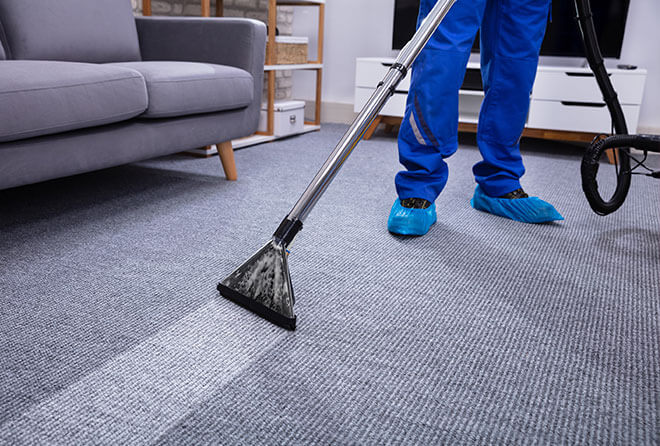
Steam cleaning is a widely trusted method for deep cleaning carpets, upholstery, and hard surfaces. Yet, one crucial factor often overlooked is the importance of temperature control in steam cleaning. The temperature of the steam directly impacts cleaning effectiveness, safety, and even the longevity of your surfaces. Understanding how and why temperature matters can help you achieve better outcomes and avoid common pitfalls.
Whether you’re a homeowner tackling stubborn stains or a professional cleaner aiming for optimal results, knowing how to manage steam temperature is essential. This article explores the science behind temperature control, its effect on cleaning performance, and practical tips for getting the best results from your steam cleaning equipment.
If you’re also dealing with pet hair on your carpets, you may find the pet hair removal from carpet home cleaning guide helpful for additional cleaning strategies.
The Role of Heat in Steam Cleaning
At its core, steam cleaning relies on hot vapor to loosen dirt, dissolve grease, and kill bacteria. The higher the temperature, the more effective the steam is at breaking down contaminants. Most steam cleaners operate between 120°C and 180°C, but not all surfaces or stains require the highest setting.
- High temperatures are excellent for sanitizing and removing tough grime.
- Lower temperatures may be safer for delicate fabrics or sensitive surfaces.
Proper temperature management ensures that you get the cleaning power you need without risking damage to your belongings.
Why Temperature Control Is Essential for Different Surfaces
Not all materials react the same way to heat. The importance of temperature control in steam cleaning becomes clear when considering the variety of surfaces in a typical home or office. Carpets, tiles, hardwood, and upholstery each have unique requirements.
- Carpets: Too much heat can shrink or discolor fibers, especially in wool or synthetic blends. Controlled temperatures help preserve texture and color.
- Hard Floors: Excessive heat may warp wood or damage laminate finishes. Using the right setting prevents costly repairs.
- Upholstery: Delicate fabrics can be ruined by high temperatures. Adjustable controls allow for gentle cleaning of sofas, curtains, and cushions.
For more insights on cleaning specific materials, such as wool carpets, check out this guide on what carpet cleaners want you to know about wool.
How Temperature Influences Cleaning Power
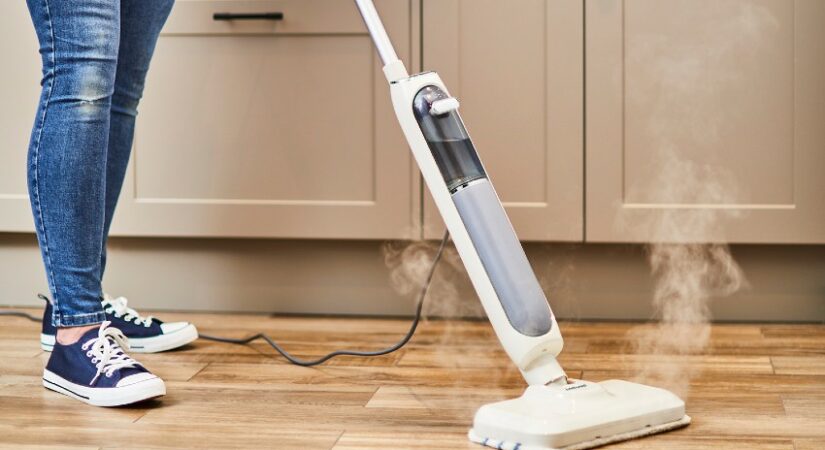
The science behind steam cleaning is straightforward: heat causes water molecules to move faster, creating vapor that penetrates surfaces and loosens debris. However, the relationship between temperature and cleaning power is not always linear. Here’s what you need to know:
- Higher steam temperatures can break down oily residues and kill more germs, making them ideal for kitchens and bathrooms.
- Moderate temperatures are often sufficient for routine cleaning, reducing the risk of surface damage.
- Excessive heat can cause certain stains to set or spread, especially on natural fibers.
By adjusting the temperature, you can target specific cleaning challenges more effectively and extend the life of your furnishings.
Common Mistakes When Managing Steam Temperature
Many users assume that hotter is always better, but this isn’t the case. Some frequent errors include:
- Using maximum heat on all surfaces: This can lead to warping, discoloration, or fiber damage.
- Ignoring manufacturer guidelines: Every steam cleaner has recommended settings for different tasks. Skipping these can void warranties or cause harm.
- Not testing on a small area: Always check a hidden spot before applying steam to the entire surface.
Taking a few moments to adjust your machine can save time, money, and frustration in the long run.
Tips for Achieving Optimal Steam Cleaning Results
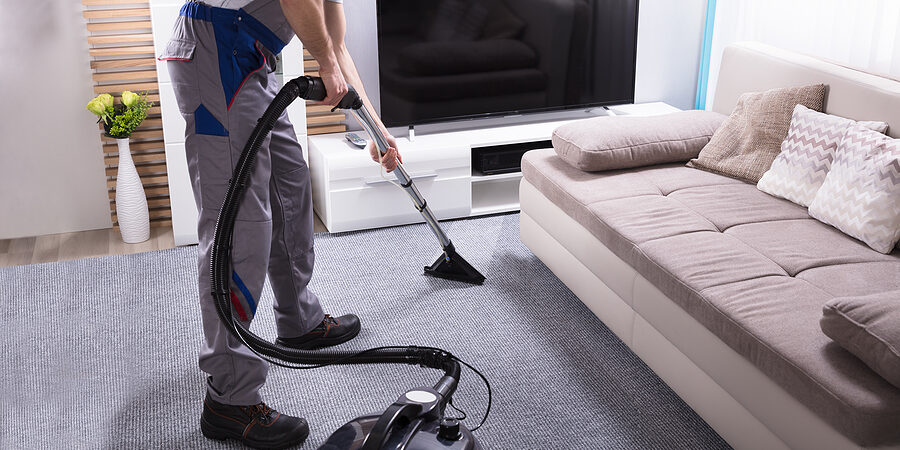
To get the most out of your steam cleaner, consider these practical tips:
- Read the manual: Each device has specific instructions for temperature settings and surface compatibility.
- Start low, increase as needed: Begin with a lower temperature and gradually raise it if stains persist.
- Move slowly: Allow the steam time to penetrate and loosen dirt, especially on thick carpets or grout lines.
- Ventilate the area: Steam can increase humidity, so open windows or use fans to speed up drying.
- Combine with other cleaning methods: For stubborn pet hair, pair steam cleaning with techniques from the pet hair removal from carpet ultimate guide.
Following these steps can help you harness the full cleaning power of your machine without unnecessary risks.
Long-Term Benefits of Proper Temperature Management
Maintaining the right temperature doesn’t just improve immediate cleaning results—it also protects your investment in flooring and furniture. Here’s how:
- Preserves material integrity: Avoids warping, fading, and fiber breakdown.
- Reduces chemical use: Hot steam can sanitize and deodorize without harsh cleaners, making your home safer for kids and pets.
- Extends equipment life: Using correct settings reduces wear and tear on your steam cleaner.
By understanding the importance of temperature control in steam cleaning, you can enjoy cleaner, healthier spaces and save money over time.
Frequently Asked Questions
What is the ideal steam temperature for cleaning carpets?
Most carpets respond well to steam temperatures between 120°C and 150°C. For delicate fibers like wool, it’s best to use the lowest effective setting and always check manufacturer recommendations.
Can high temperatures damage my flooring or upholstery?
Yes, excessive heat can cause warping, discoloration, or shrinkage, especially on wood, laminate, or delicate fabrics. Always test a small area first and adjust the temperature based on the material.
Is steam cleaning effective for removing pet hair?
Steam can help loosen pet hair from carpet fibers, but for best results, combine it with specialized tools or follow advice from the pet hair removal from carpet cleaning strategies guide.
Do I need chemicals when using a steam cleaner?
In most cases, steam alone is sufficient for sanitizing and cleaning. However, for tough stains or odors, you can use a compatible carpet cleaner spray, such as those recommended above.
Conclusion
Effective steam cleaning is about more than just hot vapor—it’s about using the right temperature for each job. By paying attention to temperature control, you can achieve deeper cleaning, protect your surfaces, and extend the life of your equipment. Whether you’re dealing with everyday dirt or tough stains, understanding the science behind steam temperature will help you get the best possible results every time.
