

When it comes to cleaning carpets, upholstery, or even tackling laundry, the importance of using the right water temperature is often underestimated. The temperature of the water you use can dramatically impact cleaning results, the longevity of your fabrics, and even the safety of your cleaning process. Whether you’re steam cleaning a carpet or washing delicate materials, understanding how temperature affects cleaning is essential for achieving the best outcomes.
Many homeowners focus on cleaning solutions and equipment, but the role of water temperature is just as crucial. The right balance can mean the difference between a deep, effective clean and lingering stains or damage. For those interested in maximizing their cleaning efforts, knowing how to select the proper temperature for each task is a game-changer.
If you’re curious about other environmental factors that can influence your cleaning results, you might also want to read about how humidity affects steam cleaning results.
The Science Behind Water Temperature in Cleaning
Water temperature plays a significant role in dissolving dirt, breaking down stains, and activating cleaning agents. Hot water can help loosen oily residues and dissolve many types of grime more effectively than cold water. However, using water that’s too hot can damage certain fibers or set stains, especially on delicate materials.
The importance of using the right water temperature comes down to chemistry. Heat speeds up molecular activity, which can enhance the cleaning power of detergents and help lift stubborn dirt from surfaces. On the other hand, some stains—like blood or protein-based spots—are best treated with cold water to prevent them from setting.
Choosing the Best Temperature for Carpet Cleaning
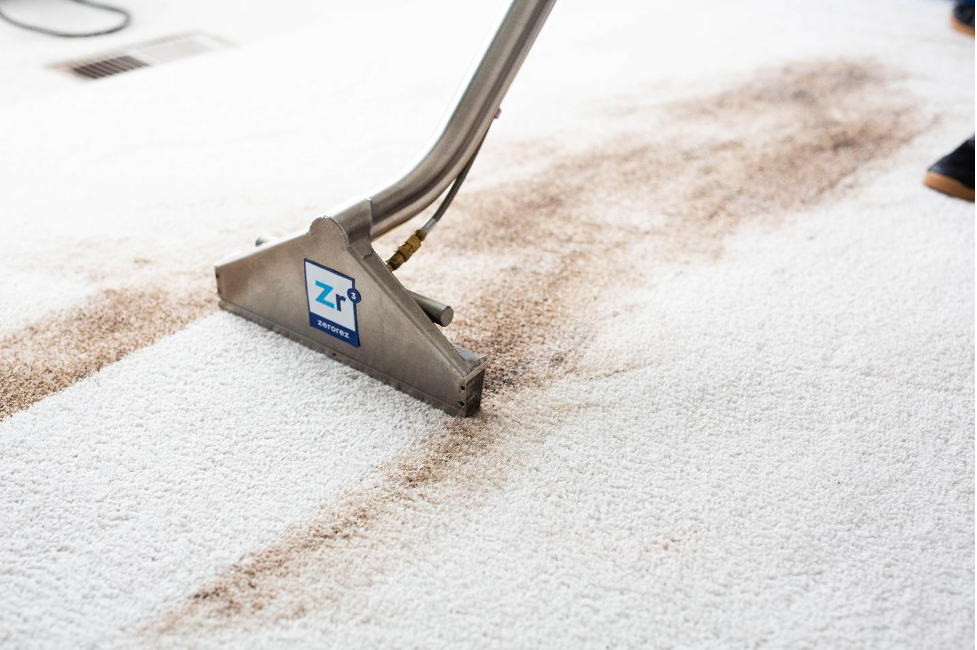
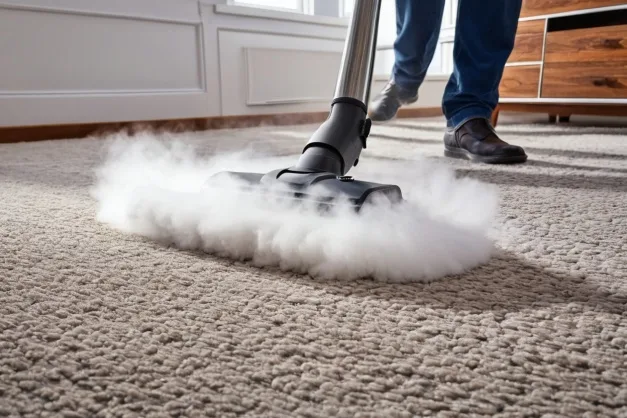
For most synthetic carpets, warm to hot water is recommended to effectively remove dirt and bacteria. Steam cleaning machines often use water heated to 120–180°F (49–82°C), which is ideal for breaking down oily soils and sanitizing fibers. However, natural fibers such as wool require extra care. Too much heat can shrink or damage wool carpets, so it’s best to use lukewarm water and gentle cleaning solutions.
If you’re unsure about the best approach for your carpet type, consult the manufacturer’s guidelines or refer to resources like what carpet cleaners want you to know about wool for expert advice.
How Water Temperature Affects Stain Removal
The effectiveness of stain removal is closely tied to water temperature. For greasy or oily spills, hot water helps to break down the residue, making it easier to lift from carpet fibers. Conversely, stains from blood, dairy, or eggs should be treated with cold water first, as heat can cause proteins to coagulate and set into the fabric.
Always test a small, inconspicuous area before applying hot water to any stain. This precaution helps avoid accidental damage to color or texture.
Protecting Fabrics and Surfaces With Proper Temperature
Using the correct water temperature isn’t just about cleaning power—it’s also about protecting your belongings. Hot water can cause shrinkage, fading, or fiber damage, especially on natural materials like wool, silk, or cotton blends. For these items, stick to cool or lukewarm water and avoid aggressive agitation.
On the other hand, synthetic fibers such as nylon or polyester are more tolerant of heat, which means you can use warmer water for a deeper clean. Always check care labels and follow manufacturer recommendations to avoid costly mistakes.
Tips for Selecting the Right Water Temperature
- Read care labels: Always check the manufacturer’s instructions for recommended cleaning temperatures.
- Test first: Before using hot water, test a small area to ensure the fabric or surface can handle the heat.
- Use cold water for protein stains: Treat blood, dairy, and egg stains with cold water to prevent setting.
- Reserve hot water for greasy messes: Oily or greasy stains respond best to higher temperatures.
- Adjust for delicate materials: Use lukewarm or cool water for wool, silk, and other sensitive fabrics.
Maximizing Cleaning Results With Temperature Control
To get the most out of your cleaning routine, combine the right water temperature with effective techniques and products. For instance, pre-treating stains before applying hot water can boost your results. Similarly, using a quality carpet cleaner or spray designed for your specific needs makes a noticeable difference.
For ongoing care, consider learning about how to maintain carpets between steam cleanings to keep your floors looking their best between deep cleans.
Common Mistakes When Using Water Temperature
Even with the best intentions, it’s easy to make mistakes when choosing water temperature for cleaning. Here are some frequent errors to watch out for:
- Using hot water on protein stains: This can cause stains to set permanently.
- Ignoring care instructions: Not all materials can handle high temperatures. Always check before cleaning.
- Overheating natural fibers: Wool and silk are especially vulnerable to heat damage.
- Skipping a patch test: Failing to test a small area can result in unexpected color loss or shrinkage.
Avoiding these pitfalls will help you make the most of your cleaning efforts and extend the life of your carpets and fabrics.
Integrating Temperature Control Into Your Cleaning Routine
Making temperature selection a regular part of your cleaning process is simple but effective. Start by sorting items based on material and stain type, then adjust your water temperature accordingly. For carpets, use a steam cleaner with adjustable heat settings to tailor your approach for each room or rug.
For more strategies on keeping your floors spotless, explore tips on how to prevent carpet stains after cleaning and how to remove deep dirt from carpets. Pairing these methods with the right temperature ensures a thorough, lasting clean.
FAQ
What is the best water temperature for steam cleaning carpets?
For most synthetic carpets, water heated to 120–180°F (49–82°C) is ideal. This range helps dissolve dirt and sanitize fibers without risking damage. For wool or delicate carpets, stick to lukewarm water and gentle settings.
Can hot water set certain stains?
Yes, hot water can set protein-based stains like blood, dairy, or eggs. Always use cold water first for these types of stains to prevent them from becoming permanent.
How does water temperature affect cleaning products?
Many cleaning agents are formulated to work best at specific temperatures. Hot water can activate detergents and help them break down grease, while cold water is better for delicate fibers and certain stains. Always follow product instructions for optimal results.
