
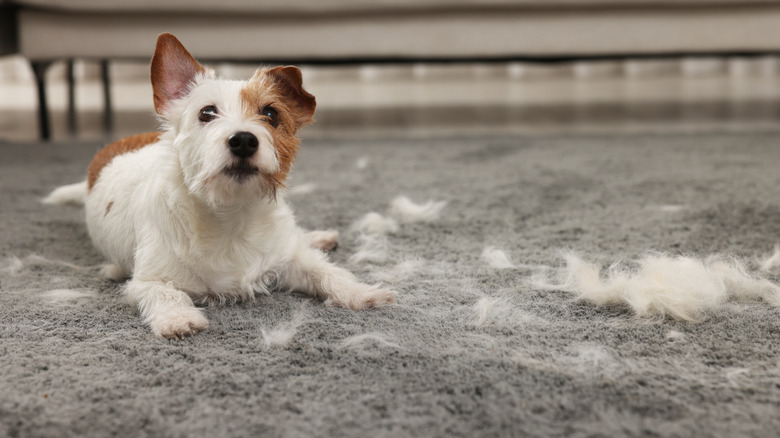
Pet owners know that keeping carpets free of fur can be a constant challenge. Even with regular vacuuming, stubborn hair often clings to carpet fibers, making it difficult to achieve a truly clean surface. One of the most effective strategies for tackling this issue is to use pulling motions—a technique that physically lifts embedded hair from the carpet pile. This approach, when combined with the right tools and methods, can dramatically improve results and help maintain a fresher, more hygienic living space for both pets and people.
In this article, we’ll explore how to use pulling techniques for pet hair removal from carpet, including practical tips, recommended tools, and step-by-step instructions. Whether you’re dealing with dog, cat, or other animal fur, these methods can make a noticeable difference. For those interested in natural alternatives, you can also learn about home remedies for pet hair removal from carpet to complement your cleaning routine.
Why Pulling Motions Work for Pet Hair Extraction
Traditional vacuuming can only do so much when it comes to deeply embedded fur. The static charge and texture of many carpets allow pet hair to become entangled with the fibers, making it resistant to suction alone. By using pulling techniques, you physically dislodge and lift the hair, breaking the bond between fur and carpet. This method is especially useful for high-pile or textured surfaces where hair tends to hide.
Pulling motions can be performed with a variety of tools, from specialized brooms and rakes to everyday household items. The key is to use a gentle but firm action that grabs and removes hair without damaging the carpet.
Essential Tools for Manual Pet Hair Removal
To get the best results from pet hair removal using pulling motion, it’s important to choose the right tools. Here are some of the most effective options:
- Rubber brooms or rakes: The rubber bristles create friction, pulling up hair as you sweep.
- Lint rollers: Large, sticky rollers can be used for spot cleaning and quick touch-ups.
- Pet hair removal gloves: These gloves have textured surfaces that grip fur as you run your hand over the carpet.
- Squeegees: A window squeegee with a rubber blade can be dragged across the carpet to gather hair into clumps for easy pickup.
- Specialized vacuums: Some vacuums are designed with attachments that mimic a pulling action, improving efficiency.
For a comprehensive overview of equipment and techniques, check out the pet hair removal guide for carpets.
Step-by-Step Guide to Pulling Pet Hair From Carpets
Using a pulling motion for pet hair removal is straightforward but requires some technique for maximum effectiveness. Here’s a practical step-by-step process:
- Prepare the area: Remove any large debris and furniture from the section you plan to clean.
- Choose your tool: Select a rubber broom, glove, or squeegee, depending on your carpet type and the amount of hair present.
- Use short, firm strokes: Apply steady pressure and pull the tool toward you in overlapping lines. The motion should be slow enough to allow the bristles or rubber edge to grip and lift the hair.
- Collect the hair: As fur accumulates in clumps, pick it up by hand or use a vacuum to remove it from the surface.
- Repeat as needed: For heavily soiled areas, go over the carpet several times, changing direction to catch hair from different angles.
- Finish with vacuuming: Once the majority of hair is removed, vacuum the area to pick up any remaining debris and restore the carpet’s texture.
For deep cleaning tips that reach below the surface, see how to clean pet hair from carpet fibers.
Tips to Maximize Results With Pulling Techniques
Getting the most out of pet hair removal from carpet using pulling motion involves a few extra steps:
- Slightly dampen the tool: A lightly moistened rubber broom or glove can increase friction, helping to grab more hair.
- Work in sections: Divide large rooms into smaller zones to ensure thorough coverage.
- Alternate directions: Pulling in different directions helps dislodge hair trapped at the base of the fibers.
- Maintain your tools: Clean your broom, glove, or squeegee regularly to prevent buildup and maintain effectiveness.
- Combine methods: Use pulling motions in conjunction with vacuuming and other strategies for best results.

Comparing Pulling Motions to Other Pet Hair Removal Methods
While pulling techniques are highly effective, they work best when integrated with other cleaning strategies. Vacuuming remains essential for regular maintenance, especially with models designed for pet owners. Sticky rollers and electrostatic cloths are useful for quick pickups, but they may not reach deeply embedded fur.
For those seeking a comprehensive solution, it’s worth exploring the best way to remove pet hair from carpet, which combines multiple methods for optimal results. Additionally, specialized products like anti-static sprays and carpet rakes can enhance the effectiveness of pulling motions.
If you’re interested in expert advice and additional strategies, the professional guide to removing pet hair from carpet offers more insights and recommendations.
Maintaining a Fur-Free Carpet Over Time
Consistency is key to keeping carpets clean when living with pets. Here are some maintenance tips:
- Brush pets regularly: Reducing shedding at the source means less hair ends up on your floors.
- Vacuum frequently: Use a vacuum with a HEPA filter and pet hair attachments for best results.
- Spot clean high-traffic areas: Focus on places where pets spend the most time, such as near beds or favorite lounging spots.
- Use doormats: Placing mats at entryways can help trap fur before it reaches your carpets.
- Schedule deep cleans: Combine pulling motions with professional cleaning or steam treatments every few months.
For more detailed cleaning routines, refer to pet hair removal from carpet for best practices and additional advice.
Frequently Asked Questions
What is the most effective tool for pulling pet hair from carpets?
Rubber brooms and rakes are among the most effective tools for this purpose. Their bristles create friction that lifts and gathers hair, making it easy to collect and remove. Pet hair removal gloves and squeegees are also excellent choices for smaller areas or spot cleaning.
Can pulling motions damage my carpet?
When performed correctly with the right tools, pulling techniques are safe for most carpets. Avoid excessive force and always test a small, inconspicuous area first, especially with delicate or antique rugs.
How often should I use pulling techniques for pet hair removal?
The frequency depends on your pet’s shedding habits and carpet type. For homes with heavy shedders, using pulling motions once or twice a week can help maintain a cleaner environment. For lighter shedding, monthly sessions may be sufficient.
