
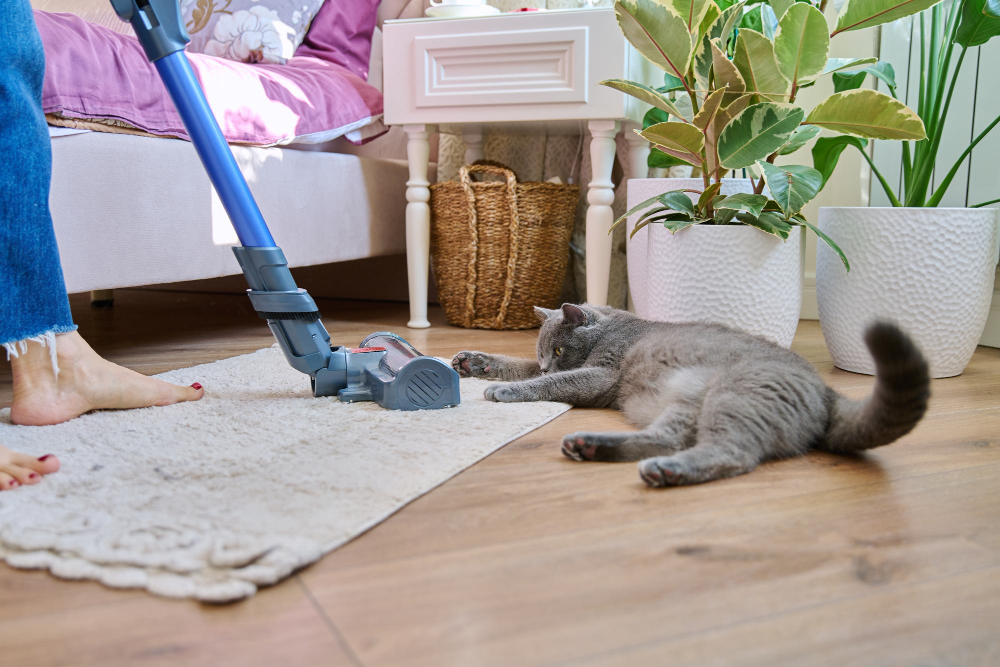
Pet owners know that keeping carpets free from fur can feel like a never-ending task. Over time, hair from cats and dogs embeds itself deep into carpet fibers, making regular vacuuming less effective. A focused, thorough cleaning session over the weekend can make a significant difference, restoring freshness and improving indoor air quality. This guide covers proven strategies, essential tools, and step-by-step instructions for pet hair removal from carpet during a deep cleaning routine.
For those interested in maintaining a healthy home environment, you might also find value in these pet hair removal from carpet indoor hygiene tips, which offer additional advice on keeping your living space clean and allergen-free.
Why Deep Cleaning Is Essential for Pet Owners
While daily or weekly vacuuming helps control surface fur, a deep clean targets the stubborn hair that accumulates over time. Embedded pet hair can lead to:
- Lingering odors and reduced carpet freshness
- Increased allergens and dust mites
- Premature carpet wear and matting
Setting aside time for a weekend deep cleaning session ensures that your carpets remain inviting, hygienic, and free from excessive pet hair.
Essential Tools for Effective Pet Hair Removal
Having the right equipment makes the process much more manageable. Consider gathering these tools before you begin:
- Vacuum cleaner with strong suction and a motorized brush roll
- Rubber broom or squeegee for loosening embedded fur
- Lint rollers or sticky tape for spot treatments
- Carpet rake for deep agitation
- Spray bottle with water or a light carpet-safe cleaning solution
For a detailed breakdown of safe cleaning methods, check out this resource on pet hair removal from carpet without damaging fibers.
Step-by-Step Weekend Deep Cleaning Process
Follow these steps to maximize hair removal and refresh your carpets:
1. Prepare the Area
Remove all furniture and objects from the carpeted space. This allows you to reach every corner and prevents missed spots where hair can accumulate.
2. Dry Removal: Loosen and Gather Pet Hair
Begin by using a rubber broom or squeegee. Drag the tool across the carpet in short, firm strokes. The rubber material creates static, pulling up hair that vacuums often miss. For high-traffic areas or spots with dense fur, a carpet rake can be especially effective.
3. Vacuum Thoroughly
Once you’ve loosened the hair, vacuum the area slowly in multiple directions. Use overlapping strokes to ensure maximum pickup. If your vacuum has a HEPA filter, it will help trap allergens as well as fur. For best results, empty the canister or replace the bag frequently during the process.
For quick tips on speeding up this process, see these pet hair removal from carpet fast cleaning tips.
4. Spot Treatment for Stubborn Areas
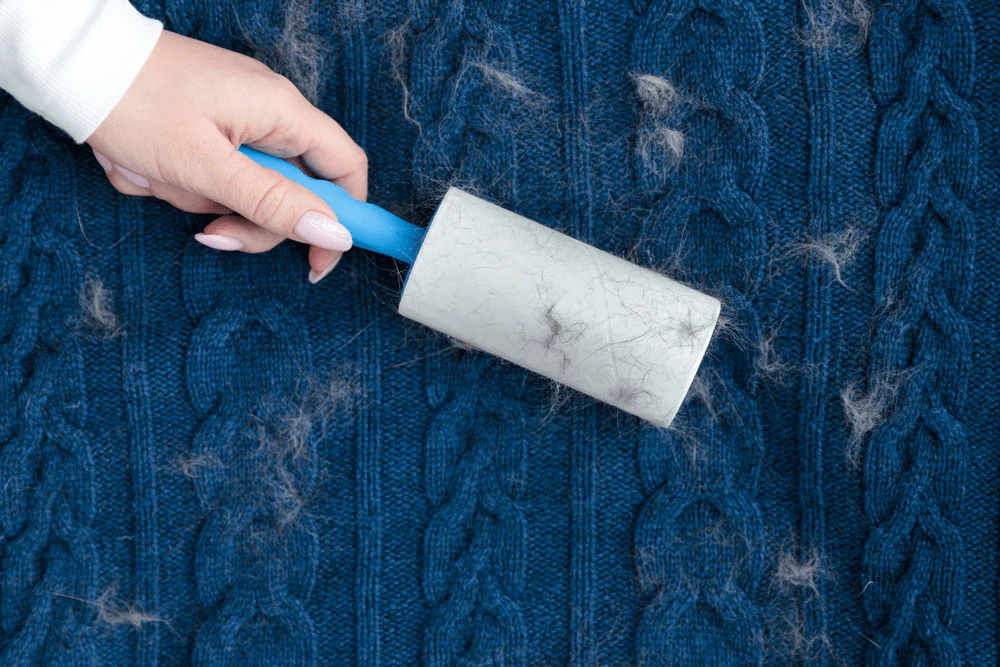
Some spots, especially where pets like to nap, may need extra attention. Use a lint roller or wrap your hand in sticky tape (sticky side out) to dab and lift remaining hair. Lightly misting the area with water can help clump hair together, making it easier to remove.
5. Deep Clean With Carpet Cleaner (Optional)
For a truly refreshed carpet, consider using a carpet cleaning machine or hiring a professional service. This step removes not only hair but also dander, stains, and odors. If you prefer DIY, use a carpet-safe solution and follow the manufacturer’s instructions for your machine.
Expert Tips for Keeping Carpets Hair-Free Longer
- Brush your pets regularly to reduce shedding at the source.
- Place washable mats or rugs in high-traffic pet areas.
- Vacuum at least twice a week, focusing on areas where pets spend the most time.
- Use a dehumidifier to reduce static and help prevent hair from clinging to carpet fibers.
- Consider professional carpet cleaning every few months for a deep reset.
For a comprehensive overview of all available techniques, the pet hair removal from carpet complete guide is a valuable resource.
Comparing Methods: What Works Best?
| Method | Effectiveness | Best For |
|---|---|---|
| Vacuuming with Pet Tool | High | General maintenance, large areas |
| Rubber Broom/Squeegee | Very High | Embedded hair, corners, edges |
| Lint Roller/Sticky Tape | Moderate | Spot cleaning, furniture, stairs |
| Carpet Rake | High | Deep agitation, thick carpets |
| Professional Cleaning | Very High | Seasonal deep cleans, odor removal |
Additional Resources for Pet Hair Management
For more creative solutions and product recommendations, see this list of ways to keep carpets clear of dog hair. Combining these ideas with regular deep cleaning will help you maintain a cleaner, more comfortable home.
Frequently Asked Questions
How often should I deep clean my carpets for pet hair?
For homes with one or two pets, a thorough deep clean every 1–2 months is usually sufficient. If you have multiple pets or heavy shedders, consider deep cleaning monthly and supplementing with weekly maintenance.
Can I use homemade solutions for pet hair removal?
Yes, lightly misting carpets with water or a mixture of water and a small amount of fabric softener can help loosen hair. Always test a small area first to ensure the solution does not discolor or damage your carpet.
What’s the best vacuum for pet hair?
Look for a vacuum with strong suction, a motorized brush roll, and a HEPA filter. Models specifically designed for pet owners often come with specialized attachments for removing fur from carpets and upholstery.
Are there ways to prevent pet hair from sticking to carpets?
Regular pet grooming, using anti-static sprays, and running a humidifier can help reduce static, making it harder for hair to cling to carpet fibers.
Is professional carpet cleaning necessary?
While not required for every household, professional cleaning can be very effective for removing deeply embedded hair, odors, and allergens. It’s a good idea to schedule a professional service a few times a year, especially if you have allergies or sensitive family members.
