
Maintaining a healthy home environment goes beyond dusting and vacuuming. One of the most effective ways to improve the air you breathe indoors is by addressing what’s underfoot: your carpets. Over time, carpets can trap dust, allergens, pet dander, and even mold spores, all of which can negatively impact respiratory health. This guide explores the steam cleaning benefits for indoor air quality, offering practical advice on how to achieve a fresher, cleaner home.
Steam carpet care is gaining popularity as a powerful method to remove deeply embedded contaminants. Unlike surface cleaning, steam penetrates carpet fibers, breaking down pollutants and leaving behind a noticeably cleaner and healthier living space. For those interested in comparing different cleaning methods, you can learn more about steam cleaning vs hot water extraction and how each approach affects your home environment.
How Steam Carpet Cleaning Works
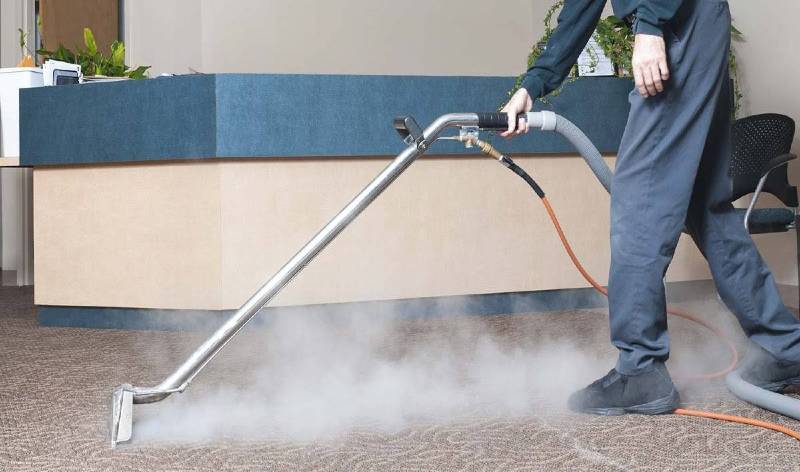
Steam cleaning, also known as hot water extraction, uses high-temperature vapor to loosen dirt, bacteria, and allergens from carpet fibers. The process involves injecting steam deep into the carpet pile, which lifts and dissolves contaminants. A powerful vacuum then extracts the loosened debris along with excess moisture, leaving carpets cleaner and drier than traditional methods.
This method is especially effective for households with pets, children, or allergy sufferers. By targeting the root of the problem—deep-seated particles and microbes—steam cleaning delivers results that go beyond what regular vacuuming or dry cleaning can achieve. For a step-by-step breakdown of the process, see what happens during steam cleaning process.
Key Steam Cleaning Benefits for Indoor Air Quality
The impact of steam carpet care on the air you breathe is significant. Here are some of the main ways this method contributes to a healthier home:
- Reduces Allergens: Dust mites, pollen, and pet dander are common triggers for allergies and asthma. Steam cleaning kills dust mites and removes these particles from carpets, helping to reduce allergic reactions.
- Eliminates Mold and Bacteria: Moisture and organic debris in carpets can foster mold growth and bacterial colonies. The high temperatures used in steam cleaning destroy mold spores and bacteria, preventing them from circulating in indoor air.
- Removes Chemical Residues: Many traditional cleaning products leave behind residues that can off-gas into the air. Steam uses only water, minimizing chemical exposure and improving air purity.
- Neutralizes Odors: Odors from pets, spills, or smoke can linger in carpets. Steam cleaning not only removes the source of these smells but also leaves carpets smelling fresher.
- Improves Overall Cleanliness: By extracting deeply embedded dirt and grime, steam cleaning helps maintain a cleaner environment, reducing the amount of airborne dust and particles.

Comparing Steam Cleaning to Other Methods
Not all carpet cleaning techniques offer the same level of effectiveness for air quality. While vacuuming is essential for regular maintenance, it often leaves behind fine particles and allergens. Dry cleaning methods may use chemicals that linger in the carpet and contribute to indoor air pollution.
Steam cleaning stands out because it relies on the natural power of heat and moisture to sanitize and refresh carpets. For a detailed comparison, check out the difference between dry and steam carpet cleaning and see why many experts recommend steam for those concerned about indoor air.
Practical Tips for Maximizing Air Quality with Steam Carpet Care
To get the most out of steam cleaning and support a healthier home, consider these practical steps:
- Vacuum Thoroughly First: Remove loose dirt and debris before steam cleaning to allow the steam to penetrate deeper.
- Use Clean Water Only: Avoid adding unnecessary chemicals to the steam cleaner. Clean water is usually sufficient for most jobs.
- Allow Proper Drying: After steam cleaning, ensure carpets dry completely to prevent mold growth. Open windows or use fans to speed up the process.
- Schedule Regular Cleanings: For homes with pets, children, or allergy sufferers, steam clean carpets every 6–12 months.
- Spot Treat Stains Promptly: Address spills and stains quickly to prevent them from setting and becoming sources of odor or bacteria.
Additional Advantages of Steam Carpet Care
Beyond the direct steam cleaning benefits for indoor air quality, this method offers other perks for homeowners:
- Extends Carpet Life: By removing abrasive dirt and debris, steam cleaning helps prevent premature wear and tear, keeping carpets looking newer for longer.
- Eco-Friendly: Since steam cleaning relies mostly on water, it reduces the need for harsh chemicals, making it a greener choice for environmentally conscious households.
- Effective on Pet Issues: If you’re struggling with pet hair or odors, steam can help. For more targeted advice, see how to get rid of pet urine smell with steam or learn whether steam cleaning removes pet hair efficiently.
- Safe for Most Carpets: Modern steam cleaners are designed to be gentle on a variety of carpet types, though it’s always wise to check manufacturer recommendations.
Expert Insights and Research
Research supports the effectiveness of steam cleaning for improving indoor environments. According to a discussion on the Mayo Clinic Connect forum about steam cleaning carpets, many users have reported relief from allergies and respiratory issues after adopting this cleaning method. The consensus among health professionals is that reducing allergens and pollutants in carpets can lead to measurable improvements in air quality, especially for sensitive individuals.
It’s important to note that while steam cleaning is highly effective, it should be part of a broader indoor air quality strategy. Regular dusting, proper ventilation, and controlling humidity all play a role in maintaining a healthy home.
Frequently Asked Questions
How often should I steam clean my carpets to support better air quality?
For most households, steam cleaning carpets every 6 to 12 months is sufficient. Homes with pets, young children, or allergy sufferers may benefit from more frequent cleanings, such as every 3 to 6 months.
Is steam carpet cleaning safe for all types of carpets?
Steam cleaning is generally safe for most synthetic and wool carpets. However, delicate or antique rugs may require special care. Always check the manufacturer’s recommendations before proceeding.
Can steam cleaning remove pet odors and stains?
Yes, steam is effective at neutralizing odors and lifting many types of stains, including those caused by pets. For persistent pet issues, consider using a targeted cleaner in addition to steam.
Does steam cleaning leave any chemical residue?
No, steam cleaning relies primarily on water vapor, so it does not leave behind chemical residues. This makes it a suitable option for households seeking a more natural cleaning solution.
Will steam cleaning help with allergy symptoms?
By removing allergens such as dust mites, pollen, and pet dander from carpets, steam cleaning can help reduce allergy symptoms for many people. Regular cleaning is key to maintaining these benefits.
By incorporating steam carpet care into your regular cleaning routine, you can enjoy a noticeable improvement in the freshness of your home and the quality of the air you breathe. For those looking to maximize these benefits, combining steam cleaning with other healthy home habits will provide the best results.
