
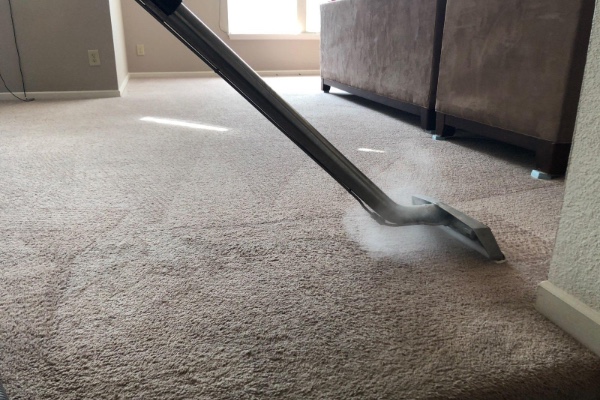
Keeping carpets and upholstery clean is a challenge in any environment, but steam cleaning in humid climates presents unique obstacles. High moisture levels can slow drying times, increase the risk of mold and mildew, and make it harder to maintain a fresh, healthy indoor space. Whether you’re a homeowner, property manager, or professional cleaner, understanding the right techniques for these conditions is essential for effective results.
In this article, you’ll find practical advice for maximizing results, minimizing risks, and keeping your home or business hygienic and comfortable. If you’re also dealing with pet hair, you may find these pet hair removal from carpet indoor hygiene tips helpful for a comprehensive approach to carpet care.
Understanding the Challenges of Steam Cleaning in Humid Climates
High humidity affects every stage of the steam cleaning process. The main concern is that excess moisture in the air slows evaporation, leaving carpets and upholstery damp for longer periods. This can lead to:
- Mold and mildew growth if surfaces remain wet for too long
- Unpleasant odors that linger after cleaning
- Potential damage to carpet fibers and backing
- Increased risk of re-soiling as dirt sticks to damp surfaces
To avoid these issues, it’s important to adapt your cleaning methods and post-cleaning care to suit the local climate.
Preparation Before Steam Cleaning in Moist Environments
Preparation is key to successful results when using steam cleaners in areas with high humidity. Here are some steps to take before you begin:
- Check the weather forecast: Choose a day with lower humidity if possible, or plan to clean early in the day when moisture levels may be lower.
- Ventilate the area: Open windows and doors, and use fans to promote air circulation. Good airflow helps speed up drying times.
- Remove as much furniture as possible: This exposes more carpet surface to air, allowing for faster drying.
- Vacuum thoroughly: Removing dry soil before steam cleaning reduces the amount of dirt that turns to mud during the process.
Choosing the Right Equipment and Cleaning Solutions
Not all steam cleaners are equally effective in humid regions. Look for machines with strong suction and adjustable water output. This allows you to extract as much moisture as possible, reducing drying time.
When selecting cleaning solutions, opt for products designed for quick drying and mold prevention. Some formulas contain antimicrobial agents that help inhibit the growth of bacteria and fungi—an important consideration in damp environments.

Effective Steam Cleaning Techniques for Humid Areas
To get the best results from steam cleaning in humid climates, it’s important to adjust your technique:
- Use less water: Apply only as much steam as necessary. Over-wetting is a common mistake that prolongs drying and increases mold risk.
- Make multiple dry passes: After each wet pass, go over the area again with just the vacuum function to extract as much moisture as possible.
- Work in small sections: This ensures you don’t leave any part of the carpet too wet for too long.
- Overlap strokes: Overlapping each pass helps ensure even cleaning and extraction.
If you’re cleaning delicate materials like wool, it’s wise to consult resources such as what carpet cleaners want you to know about wool to avoid accidental damage.
Post-Cleaning Care and Drying Strategies
Drying is the most critical step when steam cleaning in regions with high humidity. Here’s how to speed up the process and prevent problems:
- Maximize airflow: Keep windows open and use multiple fans to circulate air across the cleaned surfaces.
- Use a dehumidifier: Running a dehumidifier in the room can dramatically reduce drying times and inhibit mold growth.
- Turn on air conditioning: If available, air conditioning helps remove moisture from the air and cools the space, further aiding the drying process.
- Limit foot traffic: Keep people and pets off freshly cleaned carpets until they are completely dry to avoid re-soiling and impressions.
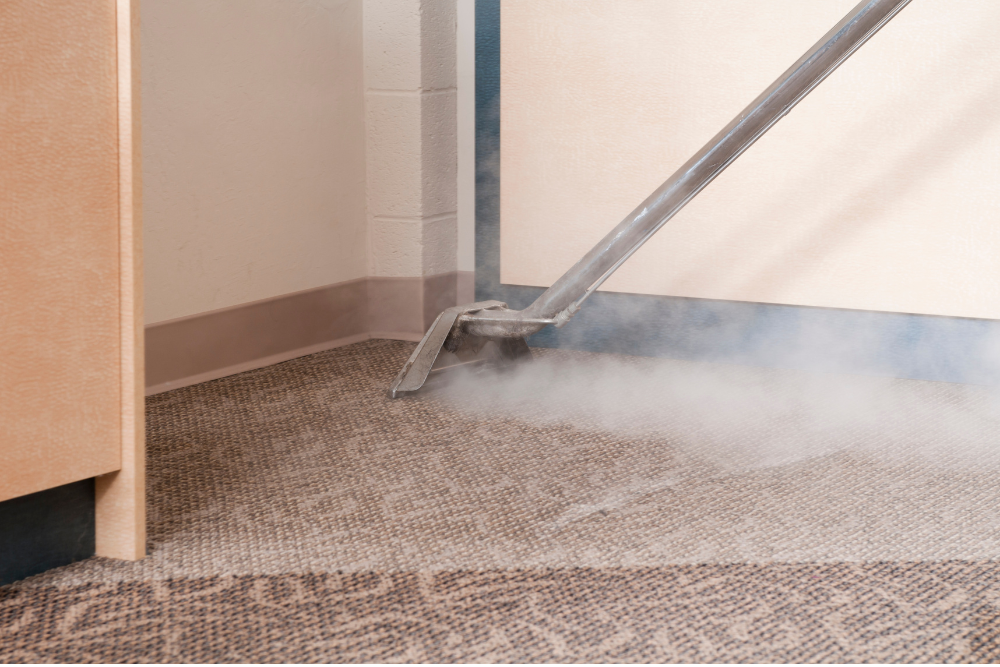
Preventing Mold and Odors After Steam Cleaning
Even with the best techniques, high humidity can make it difficult to avoid musty smells or mold. To minimize these risks:
- Act quickly: Begin drying immediately after cleaning. The longer carpets stay damp, the higher the risk of mold.
- Apply antimicrobial treatments: Some carpet sprays are designed to inhibit mold and bacteria. These can be especially helpful in tropical or coastal areas.
- Monitor humidity levels: Use a hygrometer to keep track of indoor moisture. Aim for levels below 60% to discourage mold growth.
- Inspect regularly: Check for signs of mold or persistent odors in the days following cleaning. If you notice issues, repeat the drying process and consider professional help.
For homes with pets, maintaining a regular cleaning routine is vital. You can find more advice in this guide on pet hair removal from carpet fast cleaning tips to keep your space fresh between deep cleans.
Additional Tips for Steam Cleaning Success in Damp Conditions
- Schedule regular maintenance: Frequent, lighter cleanings are often more effective than occasional deep cleans in humid areas.
- Use area rugs: These can be removed and dried separately, reducing the risk of trapped moisture in wall-to-wall carpeting.
- Consider professional services: Local professionals often have specialized equipment for challenging climates and can offer advice tailored to your region.
- Educate household members: Make sure everyone understands the importance of staying off wet carpets and helping with ventilation efforts.
FAQ: Steam Cleaning in Humid Climates
How long does it take for carpets to dry after steam cleaning in humid regions?
Drying times can vary, but in high humidity, carpets may take 8–24 hours to dry completely. Using fans, dehumidifiers, and air conditioning can help speed up the process. Always ensure carpets are fully dry before replacing furniture or allowing heavy foot traffic.
What can I do to prevent mold after steam cleaning in a humid climate?
Start the drying process immediately, maximize airflow, and use a dehumidifier if possible. Applying antimicrobial sprays and keeping humidity below 60% indoors are also effective ways to prevent mold growth.
Is it safe to steam clean wool carpets in humid environments?
Wool carpets require special care, especially in damp conditions. Use minimal moisture, strong extraction, and quick drying methods. For more information, consult resources like what carpet cleaners want you to know about wool for expert guidance.
How often should I steam clean carpets in a humid region?
In humid climates, it’s best to clean carpets every 6–12 months, or more frequently in high-traffic areas. Regular vacuuming and spot cleaning can help maintain freshness between steam cleanings.
By following these strategies, you can enjoy cleaner carpets and healthier indoor air, even in the most challenging environments. Adapting your approach to local conditions is the key to successful steam cleaning in humid climates and long-lasting results.
