
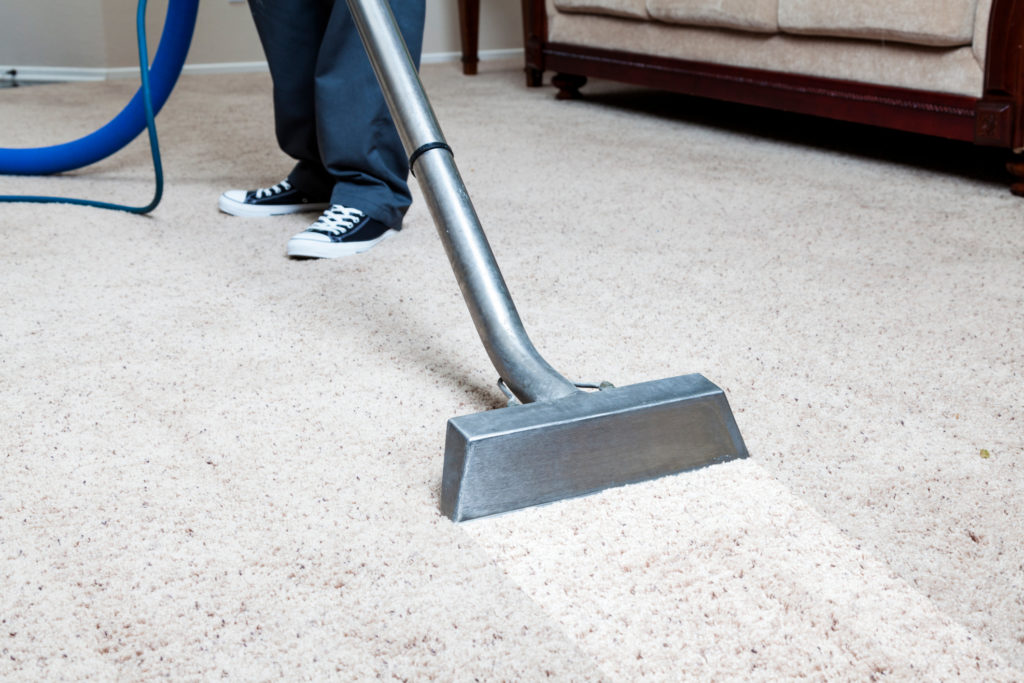
Choosing the right carpet cleaning method can make a significant difference in the appearance, longevity, and healthiness of your flooring. Two of the most common approaches—steam cleaning and bonnet cleaning—offer distinct advantages and drawbacks. Understanding the differences between these methods is essential for homeowners, facility managers, and anyone seeking the best results for their carpets.
In this article, we’ll break down the main features, pros, and cons of each method, helping you decide which approach fits your needs. If you’re interested in how deep cleaning can impact indoor air quality or want to learn about does steam cleaning eliminate dust mites, you’ll find useful insights here as well.
Understanding the Key Differences
The phrase steam cleaning vs bonnet cleaning often comes up when comparing deep carpet care options. While both methods aim to refresh and sanitize carpets, their processes and outcomes differ considerably.
- Steam cleaning (also called hot water extraction) uses high-temperature water vapor to penetrate carpet fibers, loosening dirt and allergens before extraction.
- Bonnet cleaning relies on a rotating pad soaked in cleaning solution, which agitates and absorbs surface soil from the carpet pile.
The choice between these techniques depends on your carpet’s condition, the level of soiling, and your cleaning priorities. For those seeking advantages of chemical-free carpet cleaning, steam-based methods may be particularly appealing.
How Steam Carpet Cleaning Works
Steam cleaning is widely regarded as a deep-cleaning solution for both residential and commercial carpets. The process involves injecting hot water and cleaning agents into the carpet under pressure, then extracting the solution along with dissolved dirt, dust mites, and contaminants.
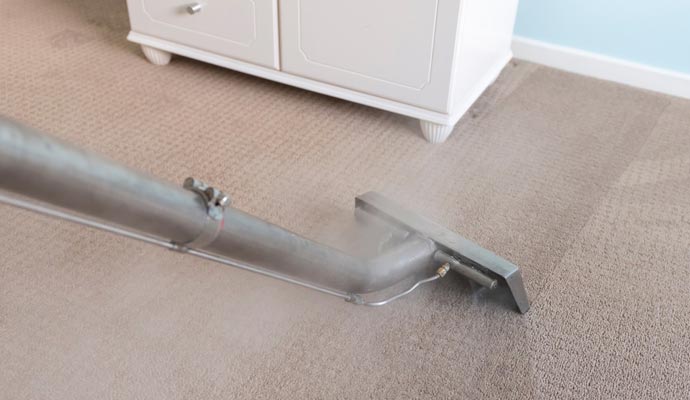
Key steps in the steam process include:
- Pre-treating stains and high-traffic areas with a cleaning solution.
- Injecting hot water (often above 200°F) deep into the carpet fibers.
- Agitating the fibers to loosen embedded soil and allergens.
- Extracting the water, dirt, and cleaning agents using powerful suction.
This approach is effective for removing tough stains, pet dander, and dust mites. For those concerned about chemical exposure, you can also explore eco-friendly steam cleaning methods that use minimal or no detergents.
Bonnet Cleaning: Process and Practical Uses
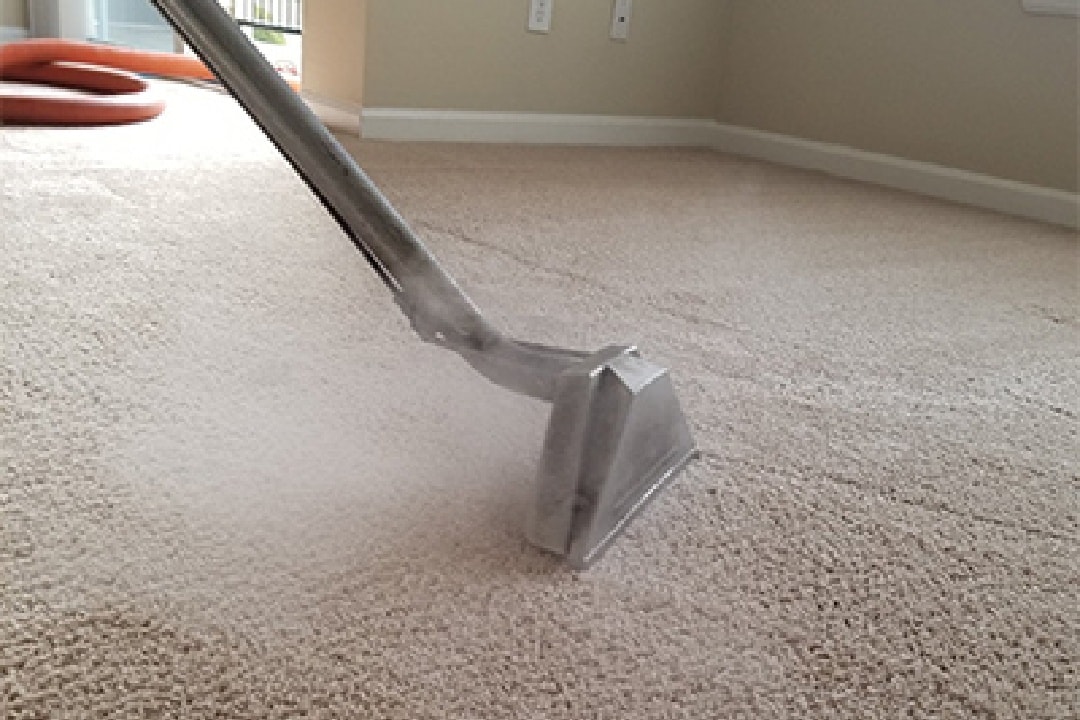
Bonnet cleaning is a low-moisture, surface-level method often used in commercial settings for quick maintenance. It involves a rotary floor machine with a spinning pad (the bonnet) soaked in a cleaning solution. As the pad rotates, it absorbs dirt from the upper layer of the carpet.
The bonnet method is best suited for:
- Routine maintenance in high-traffic areas (like offices or hotels)
- Situations where fast drying is a priority
- Carpets that do not require deep extraction
However, since it primarily cleans the surface, it may not remove deeply embedded dirt or allergens. Over time, repeated use without periodic deep cleaning can lead to residue buildup.
Comparing Results: Which Method Is Right for You?
When evaluating steam cleaning vs bonnet cleaning, consider the following factors:
| Aspect | Steam Cleaning | Bonnet Cleaning |
|---|---|---|
| Cleaning Depth | Deep (removes embedded dirt, allergens) | Surface-level (removes visible soil) |
| Drying Time | 6–24 hours (depending on ventilation) | 1–2 hours (minimal moisture) |
| Best For | Homes, allergy sufferers, periodic deep cleaning | Commercial spaces, interim maintenance |
| Residue Risk | Low (especially with chemical-free options) | Moderate (possible buildup over time) |
| Equipment Needed | Hot water extractor, vacuum | Rotary machine, bonnet pads |
For those with pets, children, or allergies, steam cleaning is often preferred due to its ability to remove deeper contaminants. If you’re interested in minimizing chemical exposure, learn more about is steam cleaning safe for kids and pets for additional safety tips.
Pros and Cons of Each Carpet Cleaning Method
Advantages of Steam Cleaning
- Penetrates deep into carpet fibers, removing stubborn stains and allergens
- Reduces dust mites and bacteria, improving indoor air quality
- Can be performed with minimal or no chemicals
- Recommended for periodic deep cleaning
Drawbacks of Steam Cleaning
- Longer drying times (can be up to 24 hours in humid conditions)
- Requires specialized equipment
- Not ideal for all carpet types (e.g., delicate or natural fibers may shrink)
Advantages of Bonnet Cleaning
- Fast drying, making it suitable for busy commercial environments
- Quick and cost-effective for routine maintenance
- Simple equipment and process
Drawbacks of Bonnet Cleaning
- Primarily cleans the surface, leaving deeper dirt behind
- Repeated use can cause soil buildup and potential carpet damage
- Not recommended for homes with allergies or pets
Tips for Choosing the Right Carpet Cleaning Approach
To determine which method is best for your situation, consider these practical tips:
- Assess the level of soiling and frequency of cleaning required.
- Check your carpet manufacturer’s care recommendations.
- For deep stains, allergens, or pet dander, opt for steam cleaning.
- For quick touch-ups in commercial settings, bonnet cleaning may suffice.
- Always test cleaning solutions on a small, inconspicuous area first.
If you’re preparing for a professional service, review this guide on preparing your home for professional carpet cleaning to ensure optimal results.
FAQ: Carpet Cleaning Methods Explained
Is steam cleaning safe for all types of carpets?
While steam cleaning is suitable for most synthetic carpets, it may not be recommended for delicate materials like wool or certain natural fibers. Always check your carpet’s care label or consult the manufacturer before proceeding.
How often should carpets be steam cleaned versus bonnet cleaned?
For homes, deep cleaning with steam is typically recommended every 12–18 months, or more frequently in high-traffic or allergy-prone environments. Bonnet cleaning can be used as a maintenance method in commercial spaces every 1–3 months, but should not replace periodic deep extraction.
Can bonnet cleaning remove tough stains and odors?
Bonnet cleaning is effective for surface dirt and light stains but may not eliminate deep-set stains or persistent odors. For these issues, steam cleaning or hot water extraction is generally more effective.
Does steam cleaning leave carpets wet for a long time?
Steam cleaning does use more water than bonnet cleaning, so carpets may remain damp for several hours. Good ventilation and using fans can help speed up drying. Some modern machines and techniques minimize moisture for faster results.
Conclusion
Both steam cleaning and bonnet cleaning have their place in carpet maintenance. For deep, thorough cleaning and allergen removal, steam is usually the better choice. For quick, interim maintenance in commercial settings, the bonnet method offers speed and convenience. By understanding the strengths and limitations of each, you can make an informed decision that keeps your carpets looking their best.
