
When it comes to deep cleaning carpets and upholstery, two popular methods often come up: steam cleaning vs carbonated cleaning. Both approaches promise effective stain removal and fresher surfaces, but their techniques, results, and suitability can differ significantly. Understanding these differences is crucial for homeowners and businesses aiming to maintain clean, healthy environments.
This article breaks down how each system works, their pros and cons, and which situations favor one over the other. If you’re weighing your options for a professional clean or considering a DIY approach, you’ll find practical insights here. For those interested in other carpet care methods, you might also want to read about the steam cleaning vs encapsulation cleaning comparison.
How Steam-Based Cleaning Works
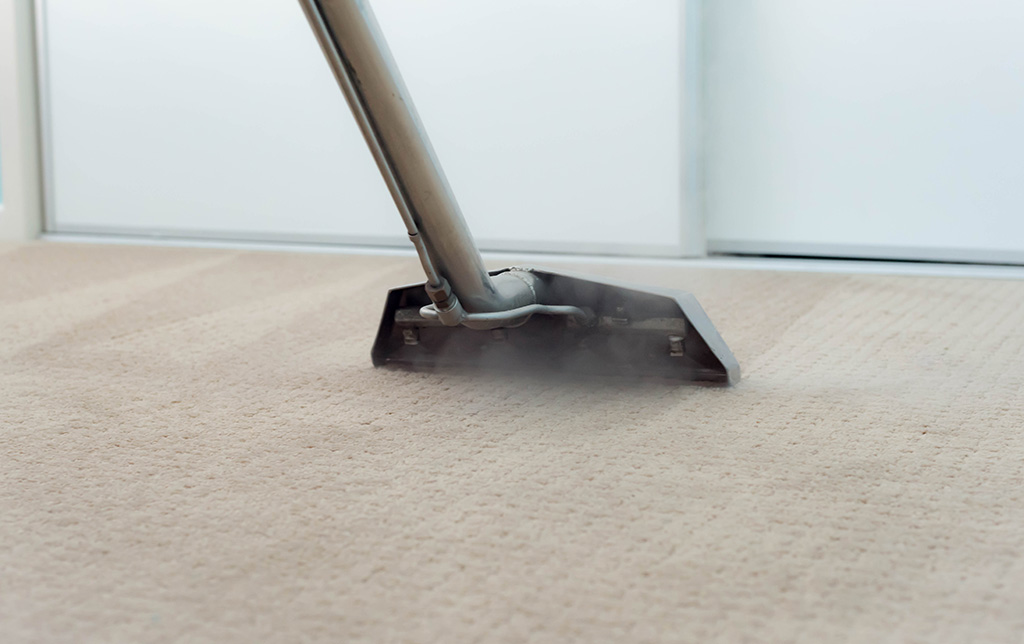
Steam cleaning, also known as hot water extraction, uses heated water vapor to loosen dirt, grime, and allergens from carpet fibers and upholstery. The process typically involves injecting hot steam deep into the material, agitating the fibers, and then extracting the moisture along with embedded contaminants.
The high temperature of the steam not only helps dissolve stubborn stains but also sanitizes surfaces by killing bacteria, dust mites, and some viruses. This makes it a preferred choice for allergy sufferers and those seeking a chemical-free cleaning solution. For more on the health benefits, see how steam cleaning helps reduce allergy symptoms.
Understanding Carbonated Cleaning Technology
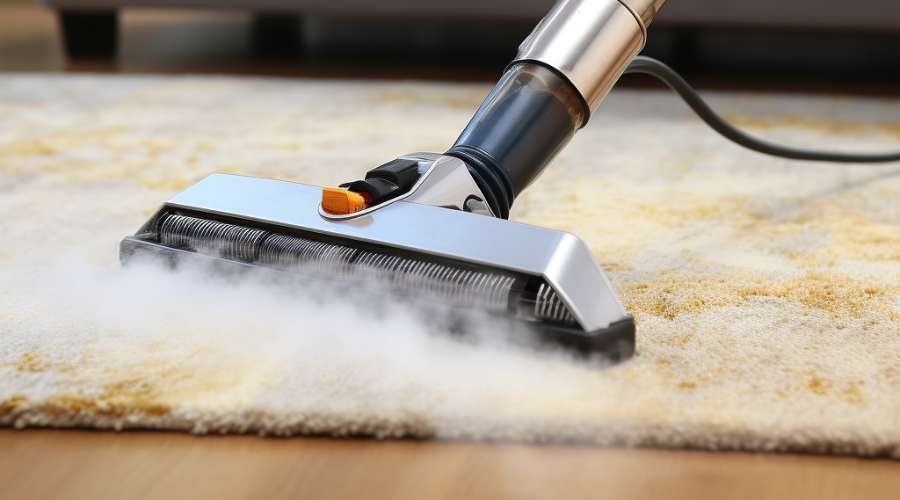
Carbonated cleaning, sometimes called “carbonation cleaning,” uses millions of tiny bubbles to lift dirt and stains from carpet fibers. Instead of relying on heat, this method injects a carbonated solution—often water mixed with a gentle cleaning agent—into the carpet. The bubbles penetrate deep, breaking up soil and grime, which are then extracted with minimal moisture.
This approach is known for its quick drying times and low water usage. The carbonation process can be highly effective at removing surface stains and refreshing the appearance of carpets without saturating the material. Many carbonated systems use eco-friendly, non-toxic solutions, making them suitable for homes with children and pets.
Comparing Effectiveness: Steam vs Carbonated Approaches
When evaluating steam cleaning vs carbonated cleaning, effectiveness is a top concern. Steam-based systems excel at deep cleaning, especially for heavily soiled carpets, pet stains, and allergy management. The heat and moisture can reach deep into fibers, removing more embedded dirt and allergens. However, drying times can be longer, sometimes requiring several hours before carpets are fully dry.
Carbonated methods, on the other hand, are often preferred for maintenance cleans or when quick turnaround is needed. The bubbles lift stains efficiently, and carpets usually dry within 1–2 hours. While carbonation is excellent for surface-level dirt and routine upkeep, it may not always match the deep sanitizing power of steam, especially for stubborn or old stains.
For those interested in the science behind cleaning temperatures, the importance of using the right water temperature is another factor to consider, particularly with steam-based methods.
Pros and Cons of Each Carpet Cleaning System
| Method | Advantages | Drawbacks |
|---|---|---|
| Steam-Based |
|
|
| Carbonated |
|
|
Choosing the Right Method for Your Needs
Deciding between these two cleaning systems depends on your priorities. If you need to address deep-seated dirt, pet odors, or allergy triggers, steam may be the better option. For routine maintenance, quick drying, or eco-conscious cleaning, carbonation is a strong contender.
Consider the type of carpet, the level of soiling, and any sensitivities in your household. For example, delicate rugs or moisture-sensitive materials may benefit from the gentle, low-water approach of carbonation. Conversely, homes with pets or allergy sufferers might see better results with the sanitizing effect of steam.
If you’re curious about equipment differences, the difference between portable and truck-mounted steam cleaning can also influence your decision, especially for large areas or commercial spaces.
Environmental and Health Considerations
Both cleaning systems have eco-friendly options, but there are distinctions. Steam relies mainly on water and heat, reducing the need for chemicals. This can be ideal for those with chemical sensitivities or allergies. Carbonated cleaning often uses green-certified solutions and less water, making it a sustainable choice with minimal environmental impact.
For health-conscious households, it’s worth noting that steam can help reduce allergens and bacteria, while carbonation provides a safe, non-toxic clean—especially when paired with natural cleaning agents. For more on steam’s health benefits, see expert discussions on steam cleaning and indoor air quality.
Maintenance Tips for Cleaner Carpets
Whichever system you choose, regular maintenance is key. Vacuum carpets weekly, address spills promptly, and schedule professional cleanings every 6–12 months based on foot traffic and household needs. For persistent odors, deodorizing carpets using steam can be especially effective.
Always follow manufacturer guidelines for cleaning and drying. Test cleaning solutions on a small, inconspicuous area before full application. Proper ventilation after cleaning helps speed up drying and prevents mold growth.
Frequently Asked Questions
Is steam cleaning safe for all types of carpets?
Most synthetic carpets tolerate steam well, but delicate materials like wool or silk may require special care. Always check the manufacturer’s recommendations before using high-heat methods.
How long does it take for carpets to dry after each method?
Steam-based systems typically require 4–12 hours for complete drying, depending on humidity and airflow. Carbonated cleaning usually allows carpets to dry within 1–2 hours due to lower moisture use.
Which method is better for allergy sufferers?
Steam cleaning is often favored for allergy management because it removes dust mites, pet dander, and bacteria through high temperatures. However, carbonated cleaning with non-toxic solutions can also help maintain a healthy environment.
