
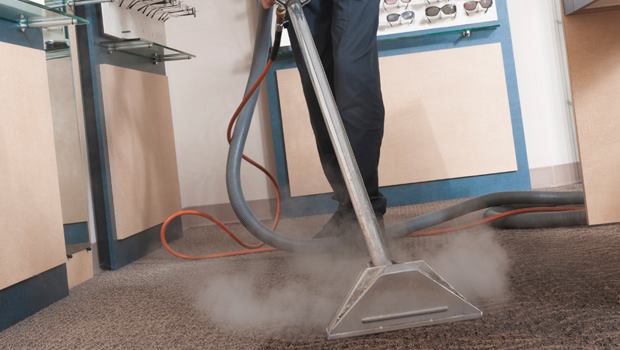
When it comes to keeping carpets and upholstery truly clean, many homeowners and businesses turn to advanced cleaning methods that go beyond the surface. Among these, deep steam extraction stands out for its ability to remove embedded dirt, allergens, and stubborn stains. But what is deep steam extraction, and how does it differ from other cleaning techniques? This article breaks down the process, its benefits, and what you should know before choosing this method for your floors or furniture.
If you’re interested in related topics, you might also want to learn about how humidity affects steam cleaning results, which can impact the effectiveness of professional cleaning.
Understanding the Deep Steam Extraction Process
At its core, deep steam extraction is a cleaning method that uses hot water and powerful suction to lift dirt and contaminants from deep within carpet fibers or upholstery. The process typically involves injecting heated water—sometimes mixed with a cleaning solution—into the material. Immediately after, a high-powered vacuum extracts the water along with loosened soil, allergens, and residues.
This technique is sometimes referred to as “hot water extraction,” but it’s important to note that the water isn’t always turned into visible steam. Instead, the temperature is high enough to break down grime and sanitize surfaces without damaging fibers.
How Does Deep Steam Extraction Work?
To fully answer the question, what is deep steam extraction and how does it work, let’s look at the typical steps involved:
- Pre-inspection: The technician assesses the carpet or upholstery to identify stains, wear, and fiber type.
- Pre-treatment: A cleaning solution is applied to loosen dirt and break down tough spots.
- Hot water injection: Heated water (often 60–100°C) is sprayed deep into the fibers under pressure.
- Agitation: Some machines use brushes or wands to further loosen soil.
- Extraction: A powerful vacuum removes the water, cleaning agents, and suspended dirt.
- Drying: Carpets or upholstery are left to dry, often with the help of air movers or ventilation.
This thorough process is what sets deep steam extraction apart from lighter cleaning methods, which may only address surface dirt.

Benefits of Using Deep Steam Extraction for Carpets and Upholstery
There are several advantages to choosing this method for cleaning your home or office:
- Thorough soil removal: The combination of hot water and strong suction removes dirt that’s deeply embedded in fibers, not just on the surface.
- Allergen reduction: This approach can help eliminate dust mites, pet dander, pollen, and other allergens, making it ideal for allergy sufferers.
- Stain removal: Many stubborn stains, including those from food, drinks, or pets, can be effectively treated with this process.
- Sanitization: The high temperature of the water can kill bacteria and germs, promoting a healthier indoor environment.
- Extended carpet life: Regular deep cleaning helps maintain carpet fibers, preventing premature wear and extending the lifespan of your flooring.
For those looking to keep carpets in top condition between professional cleanings, check out these tips for maintaining carpets between steam cleanings.
Deep Steam Extraction vs. Other Cleaning Methods
It’s useful to compare this technique with other popular approaches, such as bonnet cleaning or dry chemical methods. While bonnet cleaning uses a rotating pad to absorb surface dirt, it doesn’t reach deep into the fibers. Dry cleaning methods, on the other hand, rely on chemical powders that are brushed into the carpet and then vacuumed out. These can be quicker but may leave residues or fail to tackle embedded grime.
For a detailed comparison of cleaning options, see steam cleaning vs bonnet cleaning for more insight into which method suits your needs.
When Should You Use Deep Steam Extraction?
This method is especially recommended for:
- Homes with pets or children, where spills and stains are common.
- Allergy-prone households needing to reduce dust and allergens.
- High-traffic areas that accumulate dirt quickly.
- End-of-tenancy cleaning or preparing a property for sale.
- Restoring carpets after water damage or heavy soiling.
While routine vacuuming is important, it can’t match the deep cleaning power of hot water extraction for removing what’s trapped below the surface.
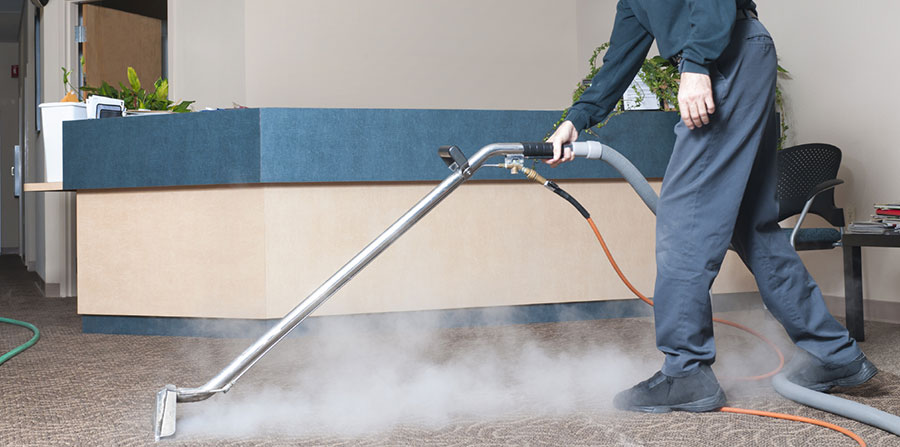
Tips for Getting the Best Results
To maximize the effectiveness of deep steam extraction, consider the following advice:
- Vacuum first: Remove loose debris before the cleaning begins to prevent dirt from turning into mud.
- Address stains quickly: Pre-treat visible spots for better removal.
- Allow adequate drying time: Use fans or open windows to speed up drying and prevent mold growth.
- Schedule regular cleanings: High-traffic areas may need professional cleaning every 6–12 months.
- Protect freshly cleaned carpets: Avoid walking on damp carpets with shoes, and consider using mats in entryways.
For more advice on keeping your carpets looking their best, explore these tricks to prevent future carpet stains.
DIY vs. Professional Deep Steam Extraction
Many rental stores and retailers offer machines for home use, but there are key differences between DIY and professional services. Commercial-grade equipment used by trained technicians delivers hotter water, stronger suction, and more thorough results. Professionals also know how to adjust the process for different carpet types and stains, reducing the risk of over-wetting or damage.
If you’re considering tackling the job yourself, you can find step-by-step instructions in this comprehensive guide to steam cleaning carpets.
Common Myths About Deep Steam Extraction
There are a few misconceptions about this cleaning method:
- “Steam cleaning always uses steam.” In reality, most machines use very hot water, not actual steam.
- “It leaves carpets soaking wet.” With proper technique and equipment, carpets should be damp, not saturated, and typically dry within a few hours.
- “Frequent cleaning damages carpets.” When done correctly, deep cleaning actually preserves carpet fibers and extends their life.
FAQ
Is deep steam extraction safe for all types of carpets?
Most modern carpets and rugs can be safely cleaned using this method, but delicate materials like silk or antique rugs may require special care. Always check manufacturer recommendations or consult a professional if unsure.
How often should I have my carpets deep cleaned?
For average households, a thorough cleaning every 12 months is usually sufficient. Homes with pets, children, or allergy sufferers may benefit from more frequent treatments, such as every 6–9 months.
Will deep steam extraction remove all stains?
While this process is highly effective against most stains, some—such as old dye-based or chemical stains—may not come out completely. Pre-treating and prompt attention improve the chances of full removal.
Can I walk on the carpet immediately after cleaning?
It’s best to wait until the carpet is fully dry to prevent re-soiling or slipping. If you must walk on it, use clean socks or shoe covers and avoid heavy traffic until dry.
Conclusion
Deep steam extraction remains one of the most effective ways to clean and revitalize carpets and upholstery. By understanding how this process works and when to use it, you can enjoy cleaner, healthier indoor spaces and extend the life of your flooring. Whether you choose a professional service or a high-quality home machine, regular deep cleaning is a smart investment in your home’s comfort and appearance.
For even more tips on keeping your carpets spotless, see these effective ways to extract deep dirt from carpets.
