
Steam cleaning is a widely trusted method for deep cleaning carpets, upholstery, and hard surfaces. Its effectiveness depends on several factors, but one of the most crucial is the temperature of the steam. Many homeowners and professionals alike wonder: what temperature should steam cleaning be to achieve the best results without risking damage? This guide explains the science behind optimal steam temperatures, how to adjust for different surfaces, and practical tips for safe, thorough cleaning.
Understanding the right heat level not only boosts cleaning power but also ensures the longevity of your carpets and fabrics. Whether you’re using a home steam cleaner or hiring a professional service, knowing the recommended temperature range can make a significant difference in both cleanliness and safety.
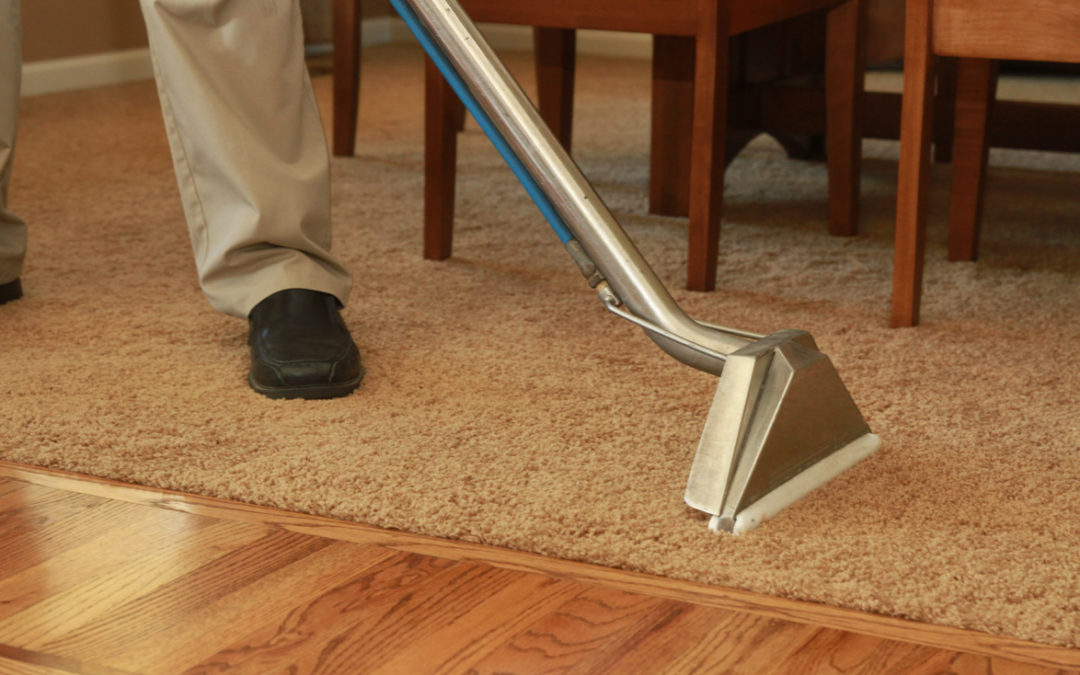
For a deeper understanding of how this cleaning method works, you may want to explore how steam carpet cleaning works and why temperature plays a pivotal role in the process.
Understanding the Role of Temperature in Steam Cleaning
The core principle behind steam cleaning is using heated water vapor to loosen dirt, kill germs, and break down stains. The temperature of the steam directly affects its cleaning power. Higher temperatures generally mean more effective sanitization and stain removal, but there are limits to consider for safety and fabric care.
Most steam cleaners heat water to between 150°F (65°C) and 300°F (150°C). However, the ideal range for most household tasks is typically between 180°F and 220°F (82°C–104°C). This range is hot enough to dissolve grime and kill bacteria, but not so extreme that it risks damaging most carpets or upholstery.
What Temperature Should Steam Cleaning Be for Different Surfaces?
Not all materials respond the same way to heat. Here’s a breakdown of recommended temperatures for common surfaces:
- Carpets and Rugs: For most synthetic and wool carpets, a steam temperature of 200°F to 220°F (93°C–104°C) is optimal. This range effectively removes dirt and allergens without harming fibers.
- Upholstery: Delicate fabrics like silk or velvet require lower temperatures, around 180°F (82°C), to prevent shrinkage or discoloration. Always check manufacturer guidelines.
- Hard Floors (Tile, Stone, Vinyl): These surfaces can tolerate higher temperatures, up to 250°F (121°C), for deep sanitization. However, avoid using steam on unsealed wood or laminate, as moisture and heat can cause warping.
- Mattresses and Bedding: Use a moderate temperature, around 200°F (93°C), to kill dust mites and bacteria without damaging fabrics.

Key Benefits of Using the Right Steam Temperature
Using the correct heat setting during steam cleaning offers several advantages:
- Enhanced Cleaning Power: Steam at the right temperature dissolves oily residues, breaks down stubborn stains, and lifts dirt from deep within fibers.
- Sanitization: Temperatures above 180°F (82°C) are effective at killing bacteria, viruses, dust mites, and other allergens, making your home healthier.
- Preservation of Materials: Avoiding excessive heat helps maintain the integrity and appearance of carpets, upholstery, and other surfaces.
- Faster Drying Times: Proper steam temperature means less water left behind, so surfaces dry more quickly and are less prone to mold or mildew.
For more on the advantages of this cleaning method, see the benefits of steam carpet cleaning and how it compares to other techniques.
Adjusting Steam Temperature for Different Cleaning Needs
Most modern steam cleaners allow you to adjust the temperature or select different modes. Here’s how to tailor the settings:
- Light Cleaning: For routine maintenance or delicate fabrics, use the lowest effective setting (around 180°F).
- Deep Cleaning: For heavily soiled carpets or high-traffic areas, increase to 200–220°F for maximum cleaning power.
- Spot Treatment: For stubborn stains, pre-treat with a suitable cleaner and use steam at the higher end of the safe range.
Always test a small, inconspicuous area first to ensure the material can handle the heat. Some carpets and upholstery may have manufacturer recommendations for maximum temperature—check labels or care guides before proceeding.

Common Mistakes When Setting Steam Cleaning Temperatures
Even with the best equipment, mistakes can happen. Here are some pitfalls to avoid:
- Using Excessive Heat: Temperatures above the recommended range can melt synthetic fibers, cause colors to bleed, or warp certain materials.
- Insufficient Heat: Steam below 180°F may not effectively sanitize or remove tough stains, leading to disappointing results.
- Ignoring Manufacturer Instructions: Always read your steam cleaner’s manual and the care tags on surfaces to avoid accidental damage.
- Overwetting: While not directly a temperature issue, using too much steam can saturate carpets and lead to slow drying or mildew.
If you’re comparing cleaning methods, you might find it helpful to review steam cleaning vs shampooing carpets to determine which approach best suits your needs.
Tips for Safe and Effective Steam Cleaning
- Pre-vacuum: Remove loose dirt and debris before using steam to prevent muddying the fibers.
- Move Slowly: Allow the steam to penetrate and loosen grime, but don’t linger too long in one spot.
- Ventilate the Area: Open windows or use fans to speed up drying and prevent musty odors.
- Regular Maintenance: Clean your steam cleaner after each use to ensure consistent performance and hygiene.
For more advice on keeping your carpets in top condition, check out this comprehensive guide to carpet maintenance.
Frequently Asked Questions
Can Steam Cleaning Damage Carpets or Fabrics?
When used at the right temperature, steam cleaning is safe for most carpets and upholstery. However, excessive heat or prolonged exposure can cause shrinkage, color fading, or fiber damage. Always follow care instructions and test a small area first. For more on this, see is steam cleaning safe for carpets.
What Temperature Kills Bacteria and Dust Mites?
Most bacteria and dust mites are killed at temperatures above 180°F (82°C). Steam cleaning at or above this level is effective for sanitizing carpets, mattresses, and upholstery.
Is Steam Cleaning Better Than Shampooing?
Both methods have their advantages. Steam uses heat and minimal chemicals, making it eco-friendly and effective for sanitization. Shampooing may be better for heavy soiling but can leave residues. For a detailed comparison, see steam cleaning vs shampooing carpets.
How Often Should I Steam Clean My Carpets?
For most homes, steam cleaning carpets every 6–12 months is sufficient. High-traffic areas or homes with pets and allergies may benefit from more frequent cleaning.
Conclusion
Choosing the right temperature for steam cleaning is essential for achieving a deep clean without risking damage to your belongings. For most household tasks, a range of 180°F to 220°F delivers excellent results. Always adjust based on the surface and follow manufacturer recommendations. With the right approach, you’ll enjoy cleaner, fresher, and healthier spaces.
