

Carpet cleaning machines are essential tools for keeping floors fresh and free of stains, but even the best models can run into issues over time. Whether you use your machine for regular maintenance or deep cleaning, encountering performance hiccups is almost inevitable. Understanding the most frequent carpet cleaner common problems and knowing how to address them can save you time, money, and frustration.
This guide explores the most typical issues people face with carpet cleaning equipment, practical troubleshooting steps, and tips to keep your machine running smoothly. If you’re new to these devices, you may also want to learn what is a carpet cleaner and how it differs from other cleaning tools.
Understanding Frequent Issues With Carpet Cleaning Machines
Even with proper care, carpet washers can develop faults that affect their cleaning performance. Recognizing the symptoms early helps prevent further damage and ensures your floors stay spotless. Here are some of the most reported concerns:
- Loss of suction or weak water pickup
- Water not dispensing or leaking from the tank
- Brushes not spinning or agitating properly
- Unpleasant odors or residue left on carpets
- Strange noises or overheating
Each of these carpet cleaner common problems can usually be traced to a few root causes. Let’s break down the most common scenarios and how to resolve them.
Troubleshooting Loss of Suction and Poor Water Pickup
When your machine isn’t extracting water efficiently, carpets remain damp and may even develop mildew. Weak suction is often caused by:
- Clogged or dirty filters
- Full or improperly seated dirty water tank
- Blocked suction path or hose
- Worn or damaged seals
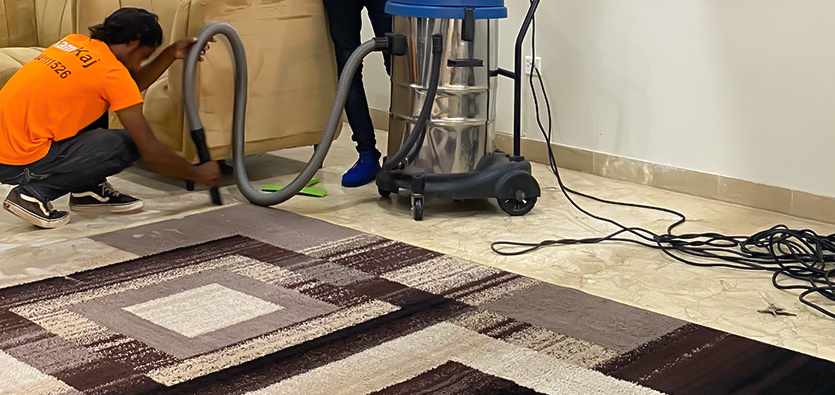
To fix these issues, start by emptying and rinsing the dirty water tank. Check and clean all filters according to the manufacturer’s instructions. Inspect the suction path for debris or hair blockages. If the problem persists, examine the seals and gaskets for wear and replace them if necessary. For a step-by-step approach, see how to fix carpet cleaner suction loss.
Resolving Water Dispensing and Leaking Issues
If your carpet washer isn’t releasing water or is leaking, the cause is usually one of the following:
- Empty or incorrectly installed clean water tank
- Cracked or damaged tank or hose
- Clogged spray nozzles
- Loose connections or faulty valves
Begin by ensuring the clean water tank is filled and locked in place. Inspect the tank and hose for cracks or splits. Clean the spray nozzles with a pin or soft brush to remove mineral buildup. If leaks continue, check all connections and replace any faulty valves or seals.
For a deeper understanding of how these machines work and how they compare to other cleaning options, you may find this carpet cleaner vs steam cleaner guide helpful. You can also read a detailed comparison on steam cleaner vs carpet cleaner for more insights.
Fixing Brush and Agitator Malfunctions
Brushes that stop spinning or agitating can leave dirt behind and reduce cleaning effectiveness. Common causes include:
- Hair or debris tangled around the brush roll
- Worn drive belts
- Loose or broken brush components
- Electrical or motor issues
Unplug the machine and carefully remove any tangled debris from the brush area. Check the drive belt for signs of wear or breakage and replace if needed. Ensure all brush components are securely attached. If the brush still doesn’t work, there may be an electrical fault requiring professional repair.
Dealing With Odors and Residue After Cleaning
If your carpets smell musty or feel sticky after using a cleaning device, it’s often due to:
- Insufficient rinsing or extraction
- Using too much detergent
- Dirty or moldy machine components
- Leaving carpets too wet
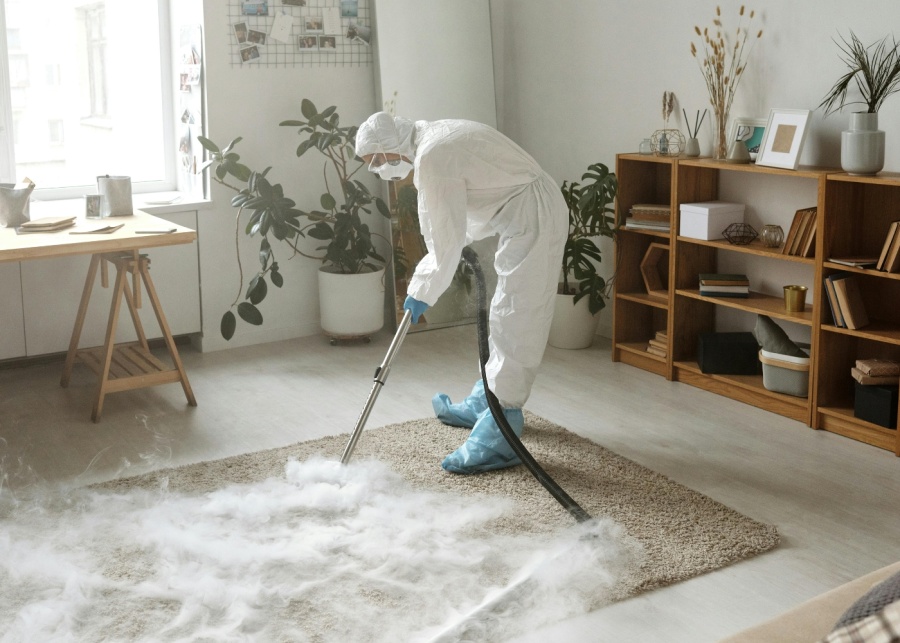
To avoid these issues, always use the recommended amount of cleaning solution and rinse carpets thoroughly. Empty and clean the dirty water tank after each use. Allow carpets to dry completely by increasing ventilation or using fans. Regularly clean your machine’s tanks, brushes, and nozzles to prevent mold and bacteria buildup.
Preventing and Addressing Overheating or Unusual Noises
Overheating or strange sounds can signal mechanical or electrical problems. Common reasons include:
- Blocked air vents or filters
- Worn motor or bearings
- Loose internal parts
- Running the machine for extended periods without breaks
Clean all air vents and filters regularly. If you notice burning smells, rattling, or grinding noises, stop using the machine and inspect for loose or damaged parts. Allow the device to cool down between uses, especially during large cleaning jobs. Persistent issues may require professional servicing.
Tips for Preventing Recurring Carpet Cleaner Issues
Regular maintenance is the best way to avoid repeated faults. Here are some practical tips:
- Empty and rinse tanks after every use
- Clean filters, brushes, and nozzles monthly
- Store the machine in a dry, cool place
- Use only manufacturer-approved cleaning solutions
- Inspect hoses and seals for wear and replace as needed
If you’re shopping for a new device, check out the best carpet cleaner for home use to find models with reliable performance and easy maintenance features.
Comparing Carpet Cleaners With Other Cleaning Methods
Not all floor cleaning machines are created equal. While carpet washers are designed specifically for deep cleaning carpets and upholstery, steam cleaners use high-temperature vapor to sanitize surfaces. For a detailed comparison, see this article on carpet cleaner vs shampooer and learn which method is best for your needs.
Frequently Asked Questions
What should I do if my carpet cleaner isn’t picking up water?
First, empty and clean the dirty water tank. Check all filters and suction paths for blockages. Make sure the tank is properly seated and seals are intact. If the issue continues, inspect hoses and gaskets for wear or damage.
Why does my carpet still smell after cleaning?
Lingering odors are often caused by over-wetting, insufficient extraction, or dirty machine parts. Use the correct amount of detergent, rinse thoroughly, and clean your machine after each use. Ensure carpets dry completely to prevent mildew.
How often should I clean my carpet cleaner?
Rinse tanks and wipe down brushes after every use. Deep clean filters, nozzles, and moving parts at least once a month, or more frequently if you use the machine often or have pets.
