
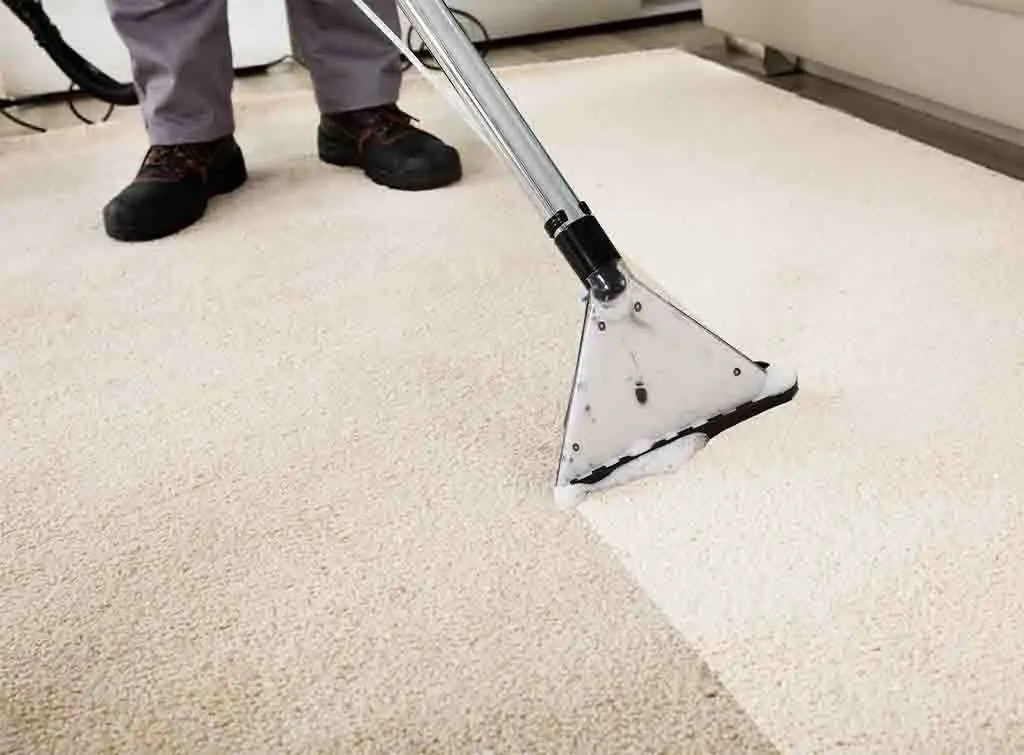
Experiencing a sudden drop in suction from your carpet cleaner can be frustrating, especially when you’re in the middle of a cleaning session. Loss of suction is a common issue, but it’s often caused by simple problems that can be resolved without professional help. This guide will walk you through the most effective steps to restore your machine’s performance, ensuring your carpets get the deep clean they deserve.
Whether you use a full-size upright or a portable unit, understanding the causes of reduced suction and knowing how to address them is essential for maintaining your equipment. We’ll cover practical troubleshooting tips, basic maintenance routines, and when it might be time to consider a replacement. If you’re curious about the differences between cleaning machines, you can also explore the carpet cleaner vs steam cleaner comparison for more insight.
Common Causes of Weak Suction in Carpet Cleaners
Before diving into solutions, it’s important to identify what’s causing your machine to lose suction. Most issues stem from blockages, improper assembly, or worn-out parts. Here are the most frequent culprits:
- Clogged filters or hoses: Dirt, hair, and debris can easily block airflow.
- Full or incorrectly seated dirty water tank: If the tank isn’t properly in place, suction drops dramatically.
- Damaged or missing seals and gaskets: Air leaks reduce efficiency.
- Dirty or jammed brush roll: Excess buildup can affect both agitation and suction.
- Improper assembly after cleaning: Missing or misaligned parts can break the suction path.
Addressing these issues can often restore your carpet cleaner’s performance quickly.
Step-by-Step Guide to Restoring Suction Power
If your cleaning machine isn’t picking up water or debris as it should, follow these steps to troubleshoot and resolve the problem.
1. Check and Clean Filters
Most carpet cleaners have one or more filters that trap dust and debris. Over time, these can become clogged, restricting airflow and reducing suction. Remove the filters and rinse them under running water. Allow them to dry completely before reinstalling.
2. Inspect Hoses and Nozzles for Blockages
Detach all accessible hoses and nozzles. Look for clogs by shining a flashlight through them. Use a flexible brush or a straightened coat hanger to gently clear any obstructions.
3. Ensure Tanks Are Properly Seated
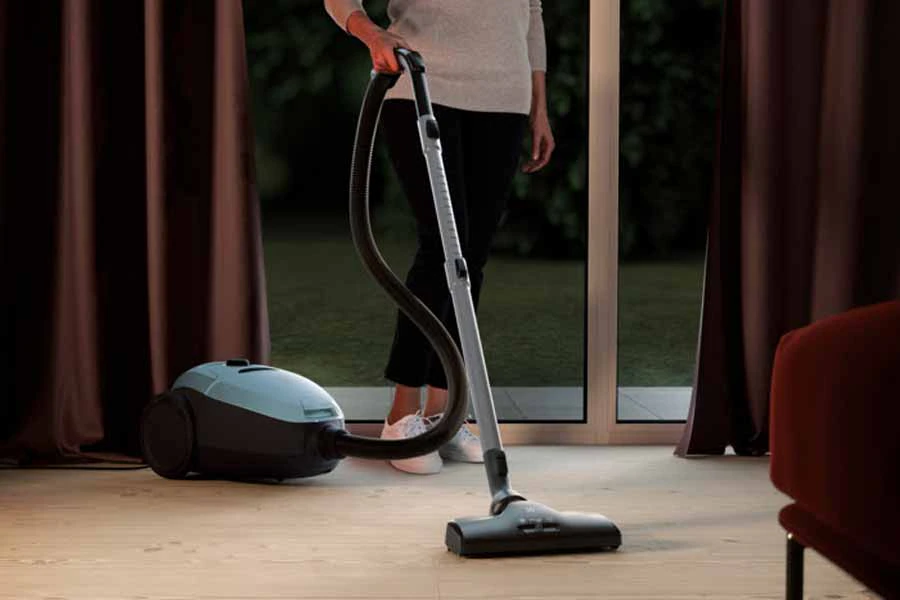
Both the clean and dirty water tanks must be correctly positioned for the machine to create a tight seal. Remove and reseat each tank, making sure they click into place. Empty the dirty water tank if it’s full, as an overfilled tank can cause suction issues.
4. Examine Seals and Gaskets
Inspect all rubber seals and gaskets for cracks, warping, or missing pieces. Damaged seals allow air to escape, weakening suction. If you notice any issues, order replacement parts from the manufacturer.
5. Clean the Brush Roll and Base Plate
Hair and fibers can wrap around the brush roll, impeding its movement and affecting suction. Remove the brush roll and clear away any debris. Wipe down the base plate and check for blockages in the suction channel.
Routine Maintenance to Prevent Future Suction Loss
Regular maintenance is key to keeping your carpet cleaner working efficiently. Here are some tips to help you avoid future problems:
- Rinse filters after every few uses and let them dry thoroughly.
- Check hoses and nozzles for blockages monthly.
- Empty and rinse tanks after each cleaning session.
- Remove tangled hair from the brush roll regularly.
- Store your machine in a dry, dust-free environment.
For a deeper understanding of how these machines work and why maintenance matters, see the what is a carpet cleaner guide.
When to Replace or Upgrade Your Carpet Cleaner
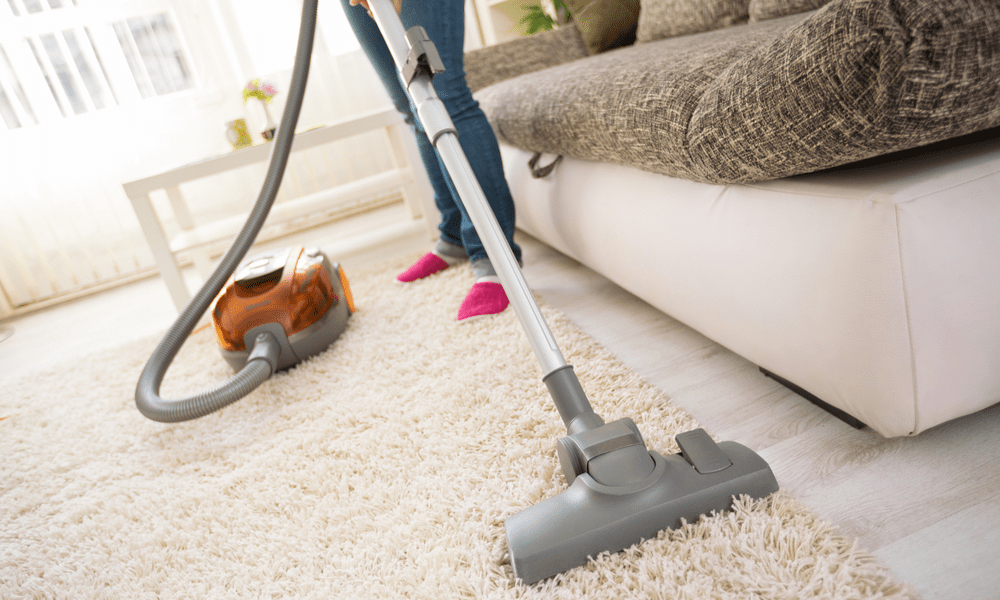
If you’ve tried all the above steps and your machine still isn’t performing, it may be time for a replacement. Persistent suction loss can indicate worn-out motors, cracked internal components, or other issues that aren’t cost-effective to repair. When shopping for a new model, consider features such as tank capacity, ease of maintenance, and included attachments. For recommendations, check out the best carpet cleaner for home use article.
If you’re unsure whether to repair or replace, compare the cost of replacement parts and labor with the price of a new, more efficient model. Sometimes, investing in a new unit can save time and hassle in the long run.
Professional Cleaning and Advanced Troubleshooting
If your machine is still under warranty or you’re not comfortable performing repairs, contact the manufacturer or a certified technician. Professional servicing can address complex issues such as motor problems or internal leaks. For a look at how experts handle deep cleaning, see this explanation of professional carpet cleaning methods.
Sometimes, a professional cleaning service can also achieve better results than home equipment, especially for heavily soiled or delicate rugs. Learn more about why professional steam cleaning is effective if you’re considering this route.
FAQ
Why does my carpet cleaner lose suction after a few minutes?
This often happens when the dirty water tank is full or not seated correctly, or if the filters become clogged during use. Regularly empty the tank and clean the filters to prevent this issue.
Can I use my carpet cleaner without a filter?
No, running the machine without its filter can damage the motor and reduce cleaning effectiveness. Always ensure filters are clean and properly installed.
How often should I clean the brush roll and filters?
For best results, clean the brush roll and filters after every few uses, or more frequently if you have pets or heavy foot traffic. This helps maintain strong suction and extends the life of your machine.
Is it worth repairing an old carpet cleaner with suction problems?
If the issue is minor, such as a clogged hose or dirty filter, repairs are usually worthwhile. However, if the motor or internal components are failing, it may be more cost-effective to invest in a new model.
