
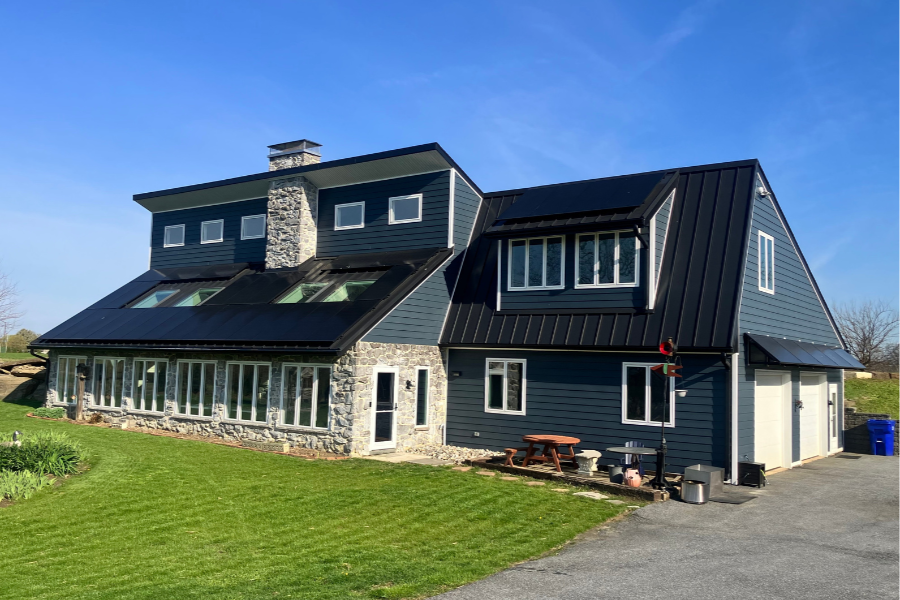
The movement toward net-zero housing is transforming the way homes are designed, built, and lived in. As climate change and energy costs become more pressing, homeowners, builders, and policymakers are seeking solutions that minimize environmental impact while maximizing comfort and efficiency. This guide provides a comprehensive net-zero housing concept overview, explaining what it means, how it works, and why it’s shaping the future of residential construction.
Net-zero homes are designed to produce as much energy as they consume over the course of a year. By combining advanced building techniques, renewable energy systems, and smart technologies, these residences offer a path to sustainable, resilient living. If you’re interested in the benefits of net-zero home construction, you’ll find that these homes deliver on energy savings, comfort, and environmental responsibility.
What Does Net-Zero Mean in Housing?
At its core, a net-zero home is one that balances its annual energy use with on-site renewable energy generation. This means the house produces as much clean energy—typically through solar panels or other renewables—as it consumes from the grid or other sources. The result is a home with a net-zero energy footprint, drastically reducing greenhouse gas emissions and utility bills.
Key features of these homes include:
- High-performance insulation and airtight construction to minimize energy loss
- Efficient heating, ventilation, and air conditioning (HVAC) systems
- Advanced windows and doors that reduce thermal bridging
- On-site renewable energy systems, most commonly solar photovoltaic panels
- Smart energy monitoring and management tools
For a deeper dive into the fundamentals, see what is net-zero home construction for a complete definition and explanation.
Key Principles of the Net-Zero Housing Concept
Understanding the net-zero housing concept overview requires looking at the guiding principles that make these homes possible. The approach is holistic, integrating design, technology, and occupant behavior to achieve energy balance.
1. Energy Efficiency First
The first step is to reduce the home’s energy demand as much as possible. This is achieved through:
- Thick, continuous insulation in walls, roofs, and floors
- Sealing air leaks to prevent drafts and heat loss
- Installing high-performance windows and exterior doors
- Using energy-efficient appliances and lighting
By minimizing energy waste, the size and cost of renewable energy systems needed to reach net-zero are also reduced.
2. Renewable Energy Generation
After maximizing efficiency, the next step is to generate clean energy on-site. Most net-zero homes use rooftop solar panels, but other options include small wind turbines or geothermal systems. The goal is to match or exceed the home’s annual energy consumption with renewable production.
3. Smart Monitoring and Controls
Modern net-zero homes often feature smart meters and energy management systems. These tools help homeowners track usage, identify inefficiencies, and adjust behavior to stay on target. Devices like the Emporia Vue 3 energy monitor and thermal imaging cameras can be invaluable for optimizing performance.
Design Strategies for Net-Zero Homes
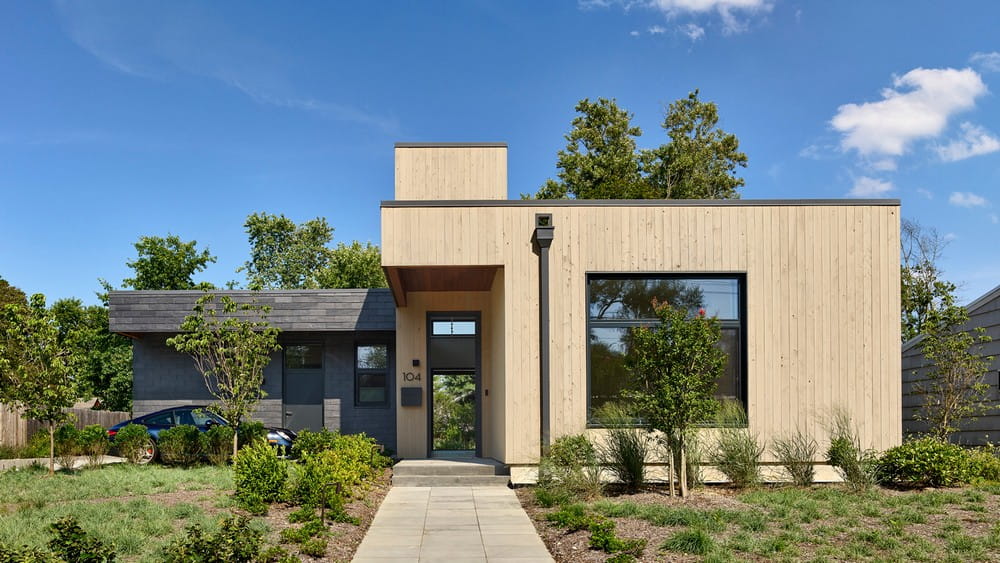
Achieving a net-zero balance involves more than just adding solar panels. The design process is critical, and every detail contributes to the home’s performance. Here are some essential strategies:
- Passive solar design: Orienting the house and windows to capture winter sun and provide shade in summer
- Compact building shapes to reduce exposed surface area
- Advanced framing techniques to minimize thermal bridging
- Incorporating natural ventilation and daylighting
For those new to sustainable building, net-zero house design basics offers a practical introduction to these principles.
Technologies Powering the Net-Zero Movement
Innovative technologies are making net-zero living more accessible and affordable. Some of the most impactful include:
- Solar photovoltaic (PV) systems for on-site electricity generation
- Heat pumps for efficient heating and cooling
- Energy recovery ventilators (ERVs) for fresh air without energy loss
- Battery storage to use solar power even when the sun isn’t shining
- Smart thermostats and home automation systems
These advancements not only improve energy performance but also enhance comfort and convenience for occupants.
Why Net-Zero Housing Is the Future of Modern Building
The shift toward net-zero homes is being driven by several powerful trends:
- Rising energy costs make efficiency and self-generation more attractive
- Growing awareness of climate change and the need to reduce carbon emissions
- Government incentives and building codes encouraging or requiring higher performance
- Advances in materials and technology lowering the cost and complexity of building net-zero
Homeowners benefit from lower utility bills, improved indoor air quality, and greater resilience to power outages. Communities gain from reduced strain on the energy grid and a smaller environmental footprint. For a detailed look at the advantages, explore net-zero home construction explained and learn how carbon-neutral living works in practice.
Challenges and Considerations
While the benefits are substantial, there are challenges to achieving net-zero performance:
- Upfront costs for high-performance materials and renewable energy systems can be higher than conventional builds
- Design and construction require careful planning and expertise
- Local climate and site conditions may affect feasibility
- Homeowner behavior plays a significant role in maintaining net-zero status
However, as demand grows and technology advances, these barriers are steadily decreasing. Many builders now specialize in net-zero energy home designs, making it easier for buyers to access sustainable options.
Getting Started with Net-Zero Home Construction
If you’re considering building or retrofitting a home to net-zero standards, start by learning the basics and assembling the right team. Architects, builders, and consultants experienced in sustainable design can guide you through the process. For a step-by-step approach, see how to build a net-zero home for practical advice on planning, design, and construction.
Remember, every improvement—no matter how small—moves you closer to a more efficient, comfortable, and environmentally responsible home.
Frequently Asked Questions
What is the difference between net-zero and passive house?
While both aim for high energy efficiency, a passive house focuses on minimizing energy use through design and construction, while a net-zero home balances its energy use with on-site renewable generation. Some homes achieve both standards, but they are distinct approaches.
Are net-zero homes more expensive to build?
Initial construction costs can be higher due to advanced materials and systems. However, these costs are often offset over time by lower utility bills and potential incentives. As the market grows, the price gap continues to narrow.
Can existing homes be retrofitted to net-zero?
Yes, many existing homes can be upgraded with better insulation, efficient systems, and renewable energy. The process may be more complex than new construction, but significant improvements are possible, especially with professional guidance.
