
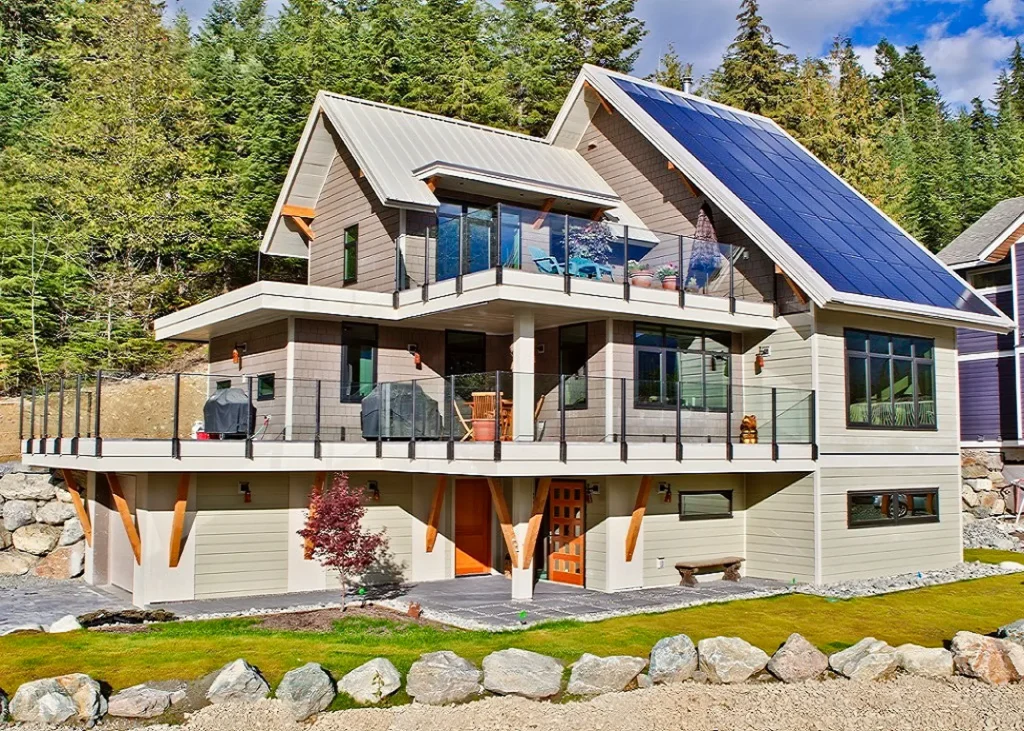
Net-zero home construction explained is a topic gaining traction as more homeowners and builders seek ways to reduce their environmental impact and energy costs. These homes are designed to produce as much energy as they consume over the course of a year, resulting in a net-zero carbon footprint. By combining advanced building techniques, renewable energy systems, and efficient appliances, these residences offer a practical solution for those aiming to live more sustainably.
Understanding how carbon-neutral living works is essential for anyone considering a new build or major renovation. This article breaks down the key principles, construction strategies, and technologies behind zero-energy homes. If you’re interested in eco-friendly living or want to reduce your utility bills, you’ll find actionable insights here. For those also managing pet-friendly households, our pet hair removal from carpet home cleaning guide offers practical tips for maintaining a clean, healthy environment.
What Does a Net-Zero Home Mean?
A net-zero home is a building that balances the amount of energy it uses with the amount it generates from renewable sources. The goal is to achieve a net annual energy consumption of zero. This is accomplished through a combination of energy-efficient design, high-performance insulation, airtight construction, and on-site renewable energy generation such as solar panels.
Key features of these homes include:
- Super-insulated walls and roofs to minimize heat loss or gain
- High-performance windows and doors that reduce drafts and improve comfort
- Advanced HVAC systems for efficient heating, cooling, and ventilation
- Solar photovoltaic (PV) panels or other renewable energy systems
- Smart home technologies that monitor and optimize energy use
By integrating these elements, a net-zero residence can operate independently from the grid or even feed excess energy back into it.
Core Principles of Carbon Neutral Construction
To achieve net-zero status, builders and homeowners must focus on several core principles throughout the design and construction process. Here are the most important aspects:
1. Energy Efficiency First
The foundation of any zero-energy home is reducing energy demand as much as possible. This starts with a well-insulated building envelope, tight air sealing, and efficient windows. Appliances and lighting should be ENERGY STAR rated or better, and heating and cooling systems must be selected for maximum efficiency.
2. Renewable Energy Generation
Once energy demand is minimized, the next step is to generate clean energy on-site. Solar panels are the most common choice, but wind turbines or geothermal systems may also be used depending on location and site conditions. The goal is to produce enough renewable energy to offset all annual consumption.
3. Smart Monitoring and Controls
Continuous monitoring is essential for maintaining net-zero performance. Smart meters, energy monitors, and home automation systems help track usage and identify areas for improvement. Tools like the Emporia Vue 3 make it easy to see real-time energy data and optimize your home’s efficiency.

Key Steps in Building a Zero-Energy Home
Constructing a carbon-neutral home involves a series of deliberate steps. Each phase is crucial for achieving the desired energy performance and environmental benefits.
- Site Selection and Orientation: Choose a location with good solar access and orient the building to maximize natural light and passive solar heating.
- Design for Efficiency: Work with architects and builders experienced in sustainable design. Use compact shapes, minimize unnecessary corners, and plan for optimal window placement.
- Insulation and Air Sealing: Install high-quality insulation in walls, roofs, and floors. Use advanced air barriers and seal all gaps to prevent leaks.
- Install Efficient Systems: Select heat pumps, energy recovery ventilators, and low-flow water fixtures to reduce energy and water use.
- Integrate Renewable Energy: Size and install solar PV or other renewable systems to cover the home’s annual energy needs.
- Test and Verify: Use tools like thermal imaging cameras to identify heat loss and ensure construction quality. Conduct blower door tests to measure airtightness.
For a detailed, step-by-step approach, consider reviewing this comprehensive guide to designing a net-zero home.
Benefits of Zero-Energy Living
Living in a home that produces as much energy as it uses offers a range of advantages:
- Lower utility bills: With energy production on-site, monthly costs drop dramatically.
- Reduced carbon footprint: These homes help combat climate change by minimizing greenhouse gas emissions.
- Improved comfort and air quality: Superior insulation and ventilation create a healthier, more comfortable indoor environment.
- Increased property value: Sustainable features are increasingly attractive to buyers and can boost resale value.
- Energy independence: Homeowners are less vulnerable to rising energy prices and grid outages.
Common Challenges and How to Overcome Them
While the advantages are clear, building a net-zero home does come with challenges. Here are some common obstacles and solutions:
- Higher upfront costs: Advanced materials and renewable systems can increase initial investment. However, long-term energy savings often offset these costs within several years.
- Design complexity: Achieving airtightness and proper insulation requires skilled labor and attention to detail. Working with experienced professionals is essential.
- Local climate and site limitations: Not all locations are ideal for solar or wind energy. In such cases, maximizing efficiency and exploring alternative renewables or community energy programs can help.
- Maintenance and monitoring: Regular system checks and energy monitoring are needed to maintain performance. Smart home devices simplify this process.
How to Get Started with a Net-Zero Project
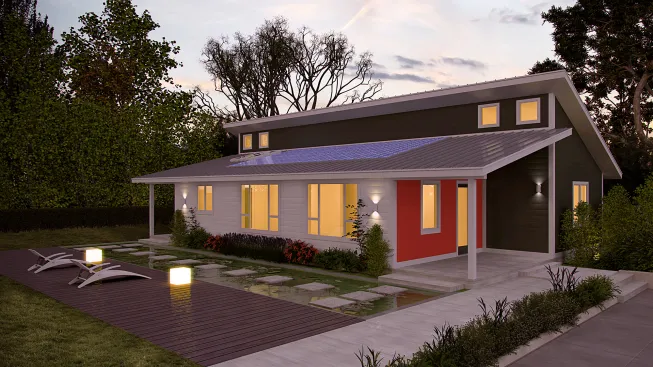
If you’re interested in building or retrofitting a home to achieve zero-energy status, start by consulting with architects and builders who specialize in sustainable construction. Research local incentives and rebates for renewable energy systems and energy-efficient upgrades. It’s also helpful to connect with homeowners who have completed similar projects to learn from their experiences.
During the planning phase, prioritize energy modeling and site analysis. This ensures your design will meet performance goals and comply with local building codes. Consider integrating smart home technologies from the outset to simplify energy management and monitoring.
FAQ
What is the difference between a net-zero home and a passive house?
A passive house is designed to use very little energy for heating and cooling by maximizing insulation, airtightness, and passive solar gains. A net-zero home takes this a step further by generating enough renewable energy on-site to offset all of its annual energy use. While both approaches emphasize efficiency, net-zero homes include renewable energy systems as a core component.
How much does it cost to build a net-zero home?
Costs vary depending on location, size, and design complexity. On average, building a net-zero home may cost 5–15% more than a conventional home. However, long-term savings on energy bills and potential tax incentives can make up for the higher upfront investment over time.
Can existing homes be retrofitted to achieve net-zero energy?
Yes, many existing homes can be upgraded to approach or achieve net-zero energy. This typically involves improving insulation, sealing air leaks, upgrading windows and HVAC systems, and installing renewable energy sources like solar panels. While retrofitting can be more challenging than new construction, significant energy reductions are possible with the right approach.
