
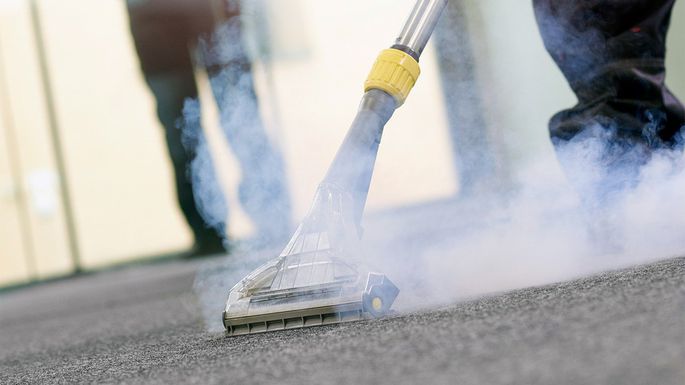
Understanding how to measure carpet drying time is essential for anyone who wants to maintain a clean, healthy, and comfortable indoor environment. Whether you’re a homeowner, property manager, or professional cleaner, knowing the right techniques for tracking moisture in carpets can help prevent issues like mold growth, lingering odors, and damage to flooring materials. This guide covers practical methods, tools, and tips for accurately monitoring carpet dryness after cleaning or water exposure.
Properly timing the drying process also helps you plan cleaning schedules, minimize downtime, and ensure your carpets are ready for use as soon as possible. For those dealing with pet hair or other common carpet challenges, you may also find value in related resources such as pet hair removal from carpet indoor hygiene tips, which can further improve your home’s cleanliness.
Why Monitoring Carpet Moisture Matters
Tracking the drying progress of your carpets is more than just a matter of convenience. Excess moisture trapped in carpet fibers and padding can lead to several problems, including:
- Mold and mildew growth, which can cause health issues and unpleasant odors
- Damage to subflooring or carpet backing
- Attracting dirt and dust, making carpets look dirty faster
- Prolonged inconvenience, especially in high-traffic areas
By learning how to monitor the drying process, you can avoid these issues and keep your carpets in top condition.
Key Factors Affecting Carpet Drying Duration
Before exploring the best ways to assess dryness, it’s helpful to understand what influences how quickly carpets dry. The main factors include:
- Carpet material: Wool, nylon, and synthetic blends all absorb and release moisture differently.
- Cleaning method: Steam cleaning, shampooing, and dry cleaning each leave different moisture levels behind.
- Room ventilation: Airflow and humidity play a major role in how fast water evaporates from carpet fibers.
- Temperature: Warmer rooms generally speed up evaporation.
- Thickness and padding: Thicker carpets and dense underlays retain moisture longer.
Recognizing these variables can help you estimate drying times and choose the most effective monitoring approach.
Simple Techniques for Measuring Carpet Dryness
There are several practical methods for checking if your carpet is dry enough to walk on or move furniture back. Here are the most reliable options:
1. Manual Touch Test
The touch test is the quickest way to get a sense of surface dryness. Press your hand or a clean, dry paper towel firmly onto the carpet. If it feels cool or damp, or if the towel picks up moisture, the carpet still needs more time. While this method is easy, it only checks the surface and may not reveal moisture deeper in the fibers or padding.
2. Using a Moisture Meter
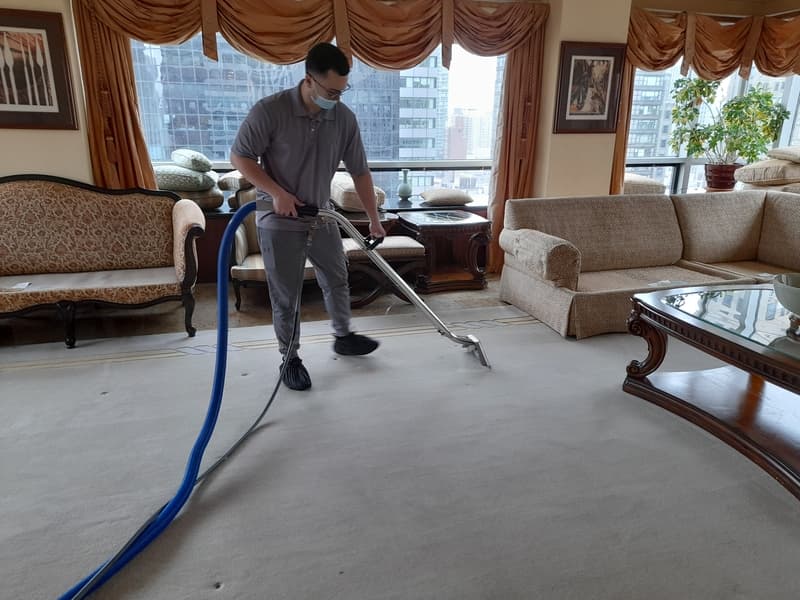
For a more accurate assessment, especially after deep cleaning or water damage, a moisture meter is highly recommended. These handheld devices measure the moisture content within the carpet and sometimes the underlying padding. To use one:
- Turn on the meter and select the appropriate setting for carpet or textiles.
- Press the probes or sensor pad onto the carpet in several locations, including corners and high-traffic areas.
- Compare the readings to the manufacturer’s recommended dry range. Most carpets are considered dry when readings are below 15% moisture content.
Moisture meters are especially useful for professionals or those dealing with significant water exposure, as they provide objective data and help prevent hidden moisture problems.
3. Monitoring Drying Time by Observation
Another approach is to keep track of elapsed time since cleaning or water exposure. Most carpets dry within 6–12 hours under normal conditions, but this can vary. Make a note of when the cleaning finished, and check periodically using the touch test or moisture meter. If you notice lingering dampness after 24 hours, consider increasing ventilation or using fans and dehumidifiers.
Tips to Speed Up Carpet Drying and Ensure Accurate Measurement
Reducing drying time not only makes your home more comfortable but also helps you get more reliable results when checking for dryness. Here are some practical ways to accelerate the process:
- Open windows and doors to improve airflow.
- Use fans or air movers directed at the carpet surface.
- Run a dehumidifier to lower indoor humidity.
- Keep the room temperature warm, if possible.
- Move furniture off the carpet to allow even drying.
When using any method to measure dryness, always test multiple spots, especially in thick or multi-layered carpets. Pay extra attention to corners, under furniture, and high-traffic zones where moisture may linger.
Common Mistakes to Avoid When Assessing Carpet Dryness
Even with the right tools, it’s easy to misjudge how dry your carpet really is. Avoid these frequent pitfalls:
- Only checking the surface—moisture can remain deep in the pile or padding.
- Moving furniture back too soon, which can trap moisture and cause staining or mildew.
- Ignoring musty smells, which often indicate hidden dampness.
- Assuming all areas dry at the same rate—shaded or poorly ventilated spots may take longer.
Taking a thorough, methodical approach helps ensure your carpet is truly dry and safe for use.
Professional Advice for Reliable Carpet Drying Assessment
For those who want to ensure the most accurate results, consider these expert recommendations:
- Invest in a quality moisture meter designed for textiles and flooring.
- Document your drying times and moisture readings for future reference, especially after water damage.
- Consult manufacturer guidelines for your specific carpet type.
- Schedule regular maintenance and cleaning to prevent excessive buildup of dirt and moisture.
- Review additional resources such as comprehensive carpet maintenance tips to extend the life of your flooring.
By following these steps, you’ll have greater confidence in your ability to determine when your carpet is ready for normal use.
Related Cleaning and Maintenance Tips
Keeping your carpet dry is just one aspect of overall floor care. If you have pets, you might also be interested in strategies for pet hair removal from carpet fast cleaning tips or learning about pet hair removal from carpet without damaging fibers. These resources can help you maintain a fresher, healthier home environment year-round.
Frequently Asked Questions
How long does it usually take for carpets to dry after cleaning?
Most carpets dry within 6 to 12 hours after professional cleaning, but the exact time depends on factors like carpet thickness, cleaning method, room temperature, and ventilation. Using fans and dehumidifiers can help speed up the process.
What is the best way to check if my carpet is completely dry?
For the most reliable results, use a moisture meter to measure the moisture content below the surface. Manual touch tests can give a quick indication, but they may not detect dampness in the padding or deeper fibers.
Can I move furniture back onto the carpet before it is fully dry?
It’s best to wait until the carpet is completely dry to avoid trapping moisture, which can lead to staining, odors, or even mold growth. Always check multiple areas with a moisture meter or by touch before replacing furniture.
