
Net-zero home construction is rapidly gaining attention as homeowners, builders, and policymakers seek ways to reduce energy consumption and environmental impact. At its core, this approach aims to create houses that produce as much energy as they consume over the course of a year. This means a net-zero home is designed and built to be highly energy-efficient, using renewable energy sources to offset any energy drawn from the grid.
Understanding the principles behind these homes is essential for anyone interested in sustainable living, lower utility bills, and reducing their carbon footprint. Before diving into the technical details, it’s helpful to explore the foundational concepts and why this method is becoming a benchmark for modern, responsible construction.
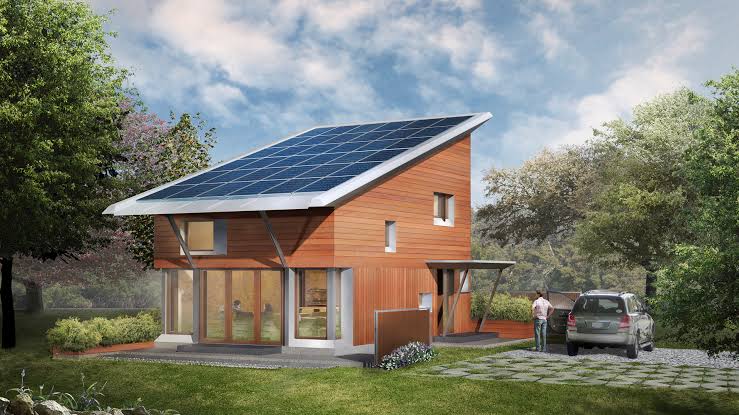
For those new to the topic, exploring net-zero house design basics is a great starting point to understand the essential principles behind these innovative dwellings.
Defining Net-Zero Home Building
At its simplest, a net-zero home is one that balances the amount of energy it uses with the amount of renewable energy it generates on-site. Over a typical year, the total energy consumption is offset by solar panels, wind turbines, or other renewable systems, resulting in a net energy usage of zero from the utility grid.
This doesn’t mean the home is disconnected from the grid. Instead, it often draws power when needed (such as at night or during cloudy days) and sends excess energy back to the grid when production exceeds consumption. The goal is to achieve a balance, so the home’s overall energy “footprint” is neutral.
Key Features of Net-Zero Residences
Several core elements distinguish these homes from conventional construction:
- High-performance insulation and air sealing to minimize energy loss.
- Efficient windows and doors that reduce heat transfer.
- Advanced HVAC systems designed for low energy use.
- On-site renewable energy generation, typically solar photovoltaic panels.
- Smart energy monitoring and management for ongoing efficiency.
By integrating these features, net-zero homes achieve superior comfort, lower utility costs, and a significantly reduced environmental impact.
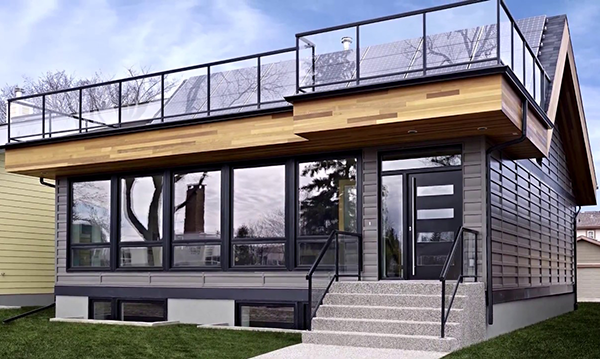
How Net-Zero Construction Differs From Traditional Homes
Conventional houses are typically built to minimum code requirements, which may not prioritize energy efficiency or renewable energy integration. In contrast, net-zero projects focus on:
- Holistic design that considers the building envelope, orientation, and climate.
- Material selection that supports energy conservation and durability.
- Integration of renewable energy systems from the outset, not as an afterthought.
- Continuous performance monitoring to ensure ongoing efficiency.
This approach requires careful planning and collaboration between architects, builders, and homeowners. For a deeper dive into the process, see how to build a net-zero home, which outlines the step-by-step journey from design to completion.
Essential Components of a Net-Zero Energy Home
To achieve true net-zero performance, several building blocks must come together seamlessly:
- Building Envelope Optimization: The walls, roof, and foundation are constructed with high levels of insulation and air sealing. This reduces the need for heating and cooling, which are typically the largest energy loads in a home.
- Efficient Appliances and Lighting: All systems and fixtures are chosen for their low energy consumption, including ENERGY STAR-rated appliances and LED lighting.
- Renewable Energy Production: Most net-zero homes use rooftop solar panels, but wind or geothermal systems can also contribute. The size of the system is calculated to match the home’s annual energy needs.
- Smart Controls and Monitoring: Home energy monitors and smart thermostats help track usage and optimize performance. Tools like the Emporia Vue 3 energy monitor can provide real-time insights.
Benefits of Building to Net-Zero Standards
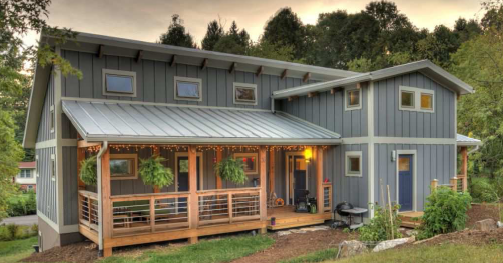
Choosing this type of construction offers several advantages beyond just energy savings:
- Lower utility bills—in some cases, homeowners pay nothing for electricity over the year.
- Increased comfort due to consistent indoor temperatures and improved air quality.
- Reduced carbon footprint by minimizing reliance on fossil fuels.
- Higher resale value as energy-efficient homes become more desirable in the real estate market.
- Resilience against rising energy costs and grid outages.
For more details on how carbon-neutral living works in practice, net-zero home construction explained provides an in-depth look at the real-world impact of these homes.
Challenges and Considerations
While the benefits are significant, there are also challenges to consider:
- Upfront costs can be higher than standard construction, though long-term savings often offset this.
- Design complexity requires experienced professionals familiar with energy modeling and sustainable materials.
- Site limitations such as shading or local climate may affect renewable energy production.
- Maintenance of renewable systems and monitoring equipment is essential for ongoing performance.
Despite these hurdles, advances in technology and growing awareness are making net-zero homes more accessible than ever.
How to Start Your Net-Zero Journey
If you’re considering building or renovating with these principles, begin by:
- Learning the best practices for constructing a net-zero residence from reputable resources.
- Consulting with architects and builders who have experience with energy-efficient design.
- Exploring available incentives, rebates, and financing options for renewable energy and efficiency upgrades.
- Using tools like thermal imaging cameras to identify areas for improvement in existing homes.
Every step toward greater efficiency and renewable energy use helps reduce your environmental impact and can lead to significant cost savings over time.
Frequently Asked Questions
What does it mean for a home to be net-zero?
A net-zero home is designed to produce as much renewable energy as it consumes annually, resulting in a neutral energy balance. This is achieved through a combination of energy-efficient construction, advanced appliances, and on-site renewable energy generation.
Is it more expensive to build a net-zero home?
Initial construction costs can be higher due to better insulation, efficient systems, and renewable energy installations. However, these costs are often offset by lower utility bills and potential incentives, making net-zero homes cost-effective in the long run.
Can existing homes be retrofitted to achieve net-zero status?
Yes, many existing homes can be upgraded with improved insulation, efficient windows, and renewable energy systems to approach or achieve net-zero performance. The feasibility depends on the current state of the home and available resources.
