
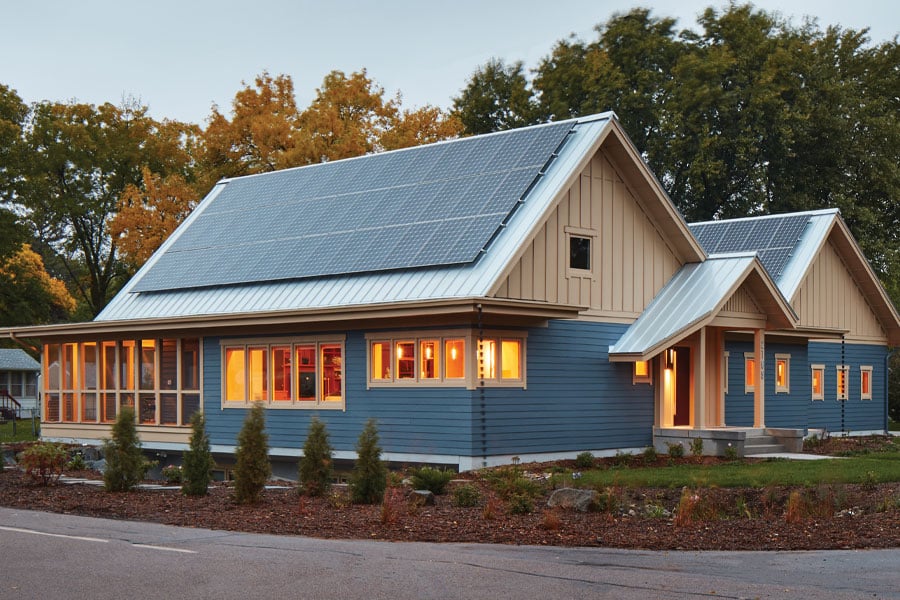
Building a home that produces as much energy as it consumes is an ambitious but increasingly achievable goal. For those new to sustainable construction, understanding net-zero house design basics is the first step toward creating a comfortable, efficient, and environmentally responsible living space. This guide covers the core concepts, design strategies, and practical tips for anyone interested in starting their journey toward a net-zero home.
Whether you’re planning a new build or considering upgrades to an existing property, learning about energy-efficient construction can help you save money, reduce your carbon footprint, and increase your home’s value. Along the way, you’ll discover how thoughtful design choices, smart material selection, and modern technology work together to achieve true energy balance.
Before diving into the main principles, it’s helpful to explore related topics in home care and maintenance. For example, if you’re interested in keeping your living space clean and allergen-free, you might find the pet hair removal from carpet home cleaning guide useful for maintaining indoor air quality in your energy-efficient home.
Understanding the Fundamentals of Net-Zero Home Design
The core idea behind a net-zero home is simple: over the course of a year, the house generates as much renewable energy as it uses. Achieving this balance requires careful planning and a holistic approach to design and construction. Here are the foundational elements that define net-zero building:
- Energy Efficiency: The first priority is to minimize energy demand through insulation, airtight construction, and efficient systems.
- Renewable Energy Production: Solar panels, wind turbines, or other renewable sources are integrated to produce clean energy on-site.
- Smart Design Choices: Orientation, window placement, and shading are optimized to reduce heating and cooling needs.
- High-Performance Materials: Advanced windows, doors, and building materials help prevent energy loss.
By combining these strategies, homeowners can create a comfortable environment that is both cost-effective and environmentally friendly.
Key Principles for Beginners in Net-Zero Construction
For those just starting out, the path to a net-zero home can seem complex. Breaking it down into manageable steps makes the process more approachable. Here are the essential principles to keep in mind:
- Start With a Tight Building Envelope
The building envelope—walls, roof, windows, and doors—acts as the barrier between indoors and outdoors. A tight envelope minimizes air leaks and heat transfer, which is crucial for energy efficiency. Focus on high-quality insulation and advanced sealing techniques to keep conditioned air inside and unwanted drafts out. - Prioritize Efficient Heating, Cooling, and Ventilation
Choose energy-efficient HVAC systems, such as heat pumps, and ensure proper ventilation with heat recovery ventilators (HRVs) or energy recovery ventilators (ERVs). These systems maintain air quality without sacrificing efficiency. - Maximize Solar Gain and Daylighting
Orient the home to take advantage of the sun’s path. South-facing windows can provide passive solar heating in winter, while overhangs or shading devices prevent overheating in summer. Good daylighting reduces the need for artificial lighting and enhances comfort. - Integrate Renewable Energy Systems
Solar photovoltaic (PV) panels are the most common choice for on-site energy generation. Assess your site’s solar potential and size the system to match your projected energy needs. - Monitor and Manage Energy Use
Smart meters and energy monitoring tools help track consumption and identify opportunities for improvement. Regularly reviewing your energy data ensures your home stays on track to meet net-zero goals.
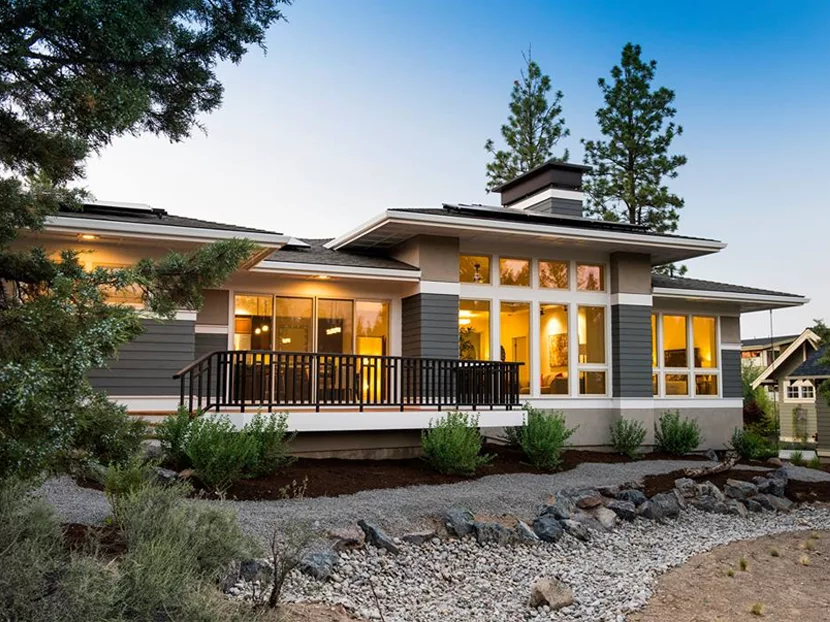
Optimizing Energy Efficiency: Practical Steps
Improving efficiency is the foundation of any net-zero project. Here are some practical actions to consider:
- Seal Air Leaks: Use caulk and weatherstripping around windows, doors, and penetrations to prevent unwanted air exchange.
- Upgrade Insulation: Insulate attics, walls, and floors to recommended R-values for your climate zone.
- Install High-Performance Windows: Choose triple-pane or low-emissivity (Low-E) windows to reduce heat loss and gain.
- Switch to LED Lighting: Replace incandescent bulbs with LEDs to cut lighting energy use by up to 80%.
- Use Energy Star Appliances: Select appliances that meet or exceed Energy Star ratings for efficiency.
For more in-depth information on the basics of energy-efficient construction, the NAIMA Canada guide to net-zero housing offers a comprehensive overview of strategies and best practices.

Renewable Energy Integration for Net-Zero Living
Once energy demand is minimized, the next step is to generate clean power on-site. Solar PV systems are the most popular option, but other technologies may be suitable depending on location and budget. Consider the following:
- Solar Panels: Rooftop or ground-mounted systems can offset most or all of your electricity use.
- Solar Water Heating: Reduces the energy needed for domestic hot water.
- Wind Turbines: In windy regions, small turbines can supplement solar generation.
- Battery Storage: Storing excess energy for use during cloudy days or at night increases self-sufficiency.
Work with a qualified installer to assess your site’s renewable energy potential and design a system that aligns with your goals.
Monitoring and Maintaining Performance
Reaching net-zero is not a one-time achievement—it requires ongoing attention. Use energy monitors and smart home technology to track performance, identify inefficiencies, and make adjustments as needed. Tools like the Emporia Vue 3 and thermal imaging cameras can help you pinpoint areas for improvement and verify that your home is operating as intended.
Regular maintenance, such as checking insulation, cleaning solar panels, and servicing HVAC systems, ensures your home continues to meet its energy goals year after year.
Common Challenges and How to Overcome Them
While the benefits of net-zero living are significant, there are challenges to consider:
- Upfront Costs: High-performance materials and renewable energy systems can increase initial expenses. However, long-term savings on utility bills often offset these costs.
- Design Complexity: Achieving energy balance requires careful coordination between architects, builders, and engineers. Choose professionals with experience in sustainable construction.
- Climate Considerations: Strategies vary depending on local weather patterns. Tailor your approach to your region’s specific needs.
By planning ahead and working with knowledgeable experts, most obstacles can be managed effectively.
Frequently Asked Questions
What is the difference between a net-zero and a passive house?
A net-zero home produces as much energy as it consumes over a year, typically through on-site renewables. A passive house focuses on extreme energy efficiency and comfort, often requiring less energy but not necessarily producing its own power. Both approaches share principles like airtight construction and high insulation, but net-zero homes always include renewable energy generation.
How much does it cost to build a net-zero home?
The cost varies based on location, size, and materials. Generally, building to net-zero standards can add 5–15% to construction costs compared to conventional homes. However, incentives, rebates, and long-term energy savings help offset the investment.
Can I retrofit an existing home to achieve net-zero?
Yes, many existing homes can be upgraded with better insulation, efficient windows, air sealing, and renewable energy systems. While it may be more challenging than starting from scratch, a phased approach can help homeowners move toward net-zero performance over time.
Conclusion
Embracing net-zero house design basics is a practical and rewarding way to reduce your environmental impact and create a healthier, more efficient home. By focusing on airtight construction, energy efficiency, renewable energy integration, and ongoing performance monitoring, beginners can lay the groundwork for a sustainable future. For further reading on related home care topics, see resources like the pet hair removal from carpet ultimate guide to keep your living environment clean and comfortable as you pursue your net-zero goals.
