
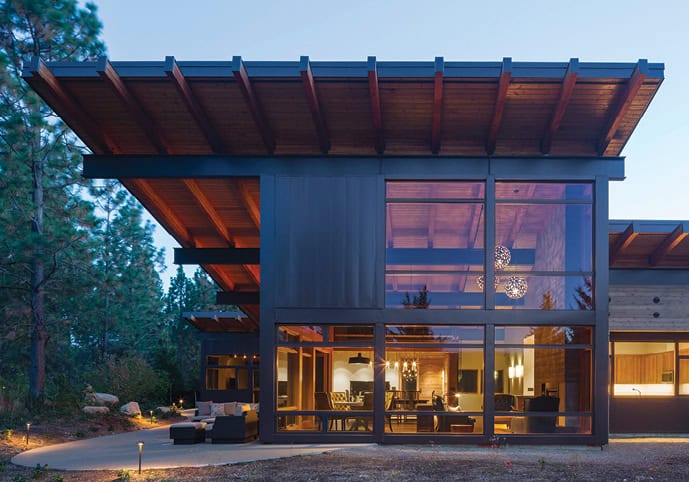
Creating a net-zero home is an ambitious but achievable goal for those who want to minimize their environmental impact and reduce long-term energy costs. These homes are designed to produce as much energy as they consume over the course of a year, resulting in a carbon-neutral footprint. By following a structured approach, homeowners and builders can ensure that every stage of the process—from planning to construction and operation—supports sustainability and energy efficiency.
This guide provides a practical, step-by-step overview of the essential phases involved in constructing a residence that meets net-zero standards. Whether you’re a homeowner, architect, or builder, understanding the principles and best practices of sustainable construction is key to success. For those new to the concept, learning the net-zero house design basics can provide a solid foundation before diving into the details below.
Understanding Net-Zero Construction Principles
Before breaking ground, it’s important to grasp the core concepts that define a net-zero residence. At its heart, a net-zero building is one that balances energy consumption with renewable energy production, typically through solar panels or other on-site systems. Achieving this balance requires careful planning, high-performance materials, and a commitment to energy efficiency throughout the design and construction process.
For a deeper dive into the definition and benefits, see this comprehensive explanation of net-zero buildings.
Planning and Site Selection for a Net-Zero Project
The journey to a sustainable home begins with thoughtful planning and site selection. Consider the following steps:
- Assess the site’s solar potential: Choose a location with ample sunlight, minimal shading, and good orientation for solar panels.
- Evaluate local climate: Understanding temperature ranges, humidity, and prevailing winds will inform insulation and ventilation strategies.
- Check zoning and incentives: Research local building codes, energy standards, and available incentives for renewable energy systems.
Early planning ensures that the home’s design can take full advantage of passive solar heating, natural light, and other site-specific opportunities for energy savings.
Designing for Energy Efficiency
Effective design is the backbone of any net-zero project. Collaborate with architects and energy consultants to integrate the following strategies:
- Optimize building orientation: Position the structure to maximize solar gain in winter and minimize overheating in summer.
- Incorporate high-performance windows: Use triple-glazed or low-emissivity windows to reduce heat loss and improve comfort.
- Seal the building envelope: Focus on airtight construction to prevent drafts and energy loss.
- Plan for efficient layouts: Minimize unnecessary space and design for compactness, which reduces heating and cooling loads.
These design choices lay the groundwork for a home that is both comfortable and energy-smart.

Building the High-Performance Envelope
The building envelope—walls, roof, foundation, and windows—plays a critical role in minimizing energy use. Focus on these elements:
- Super-insulate: Use high R-value insulation in walls, roofs, and floors to reduce heat transfer.
- Eliminate thermal bridges: Design details that prevent heat from bypassing insulation, such as insulated headers and continuous exterior insulation.
- Install advanced windows and doors: Select products with superior air sealing and thermal performance.
- Test for airtightness: Use blower door tests and thermal imaging to identify and fix leaks.
Investing in a robust envelope reduces the size and cost of mechanical systems needed for heating and cooling.
Integrating Renewable Energy Systems
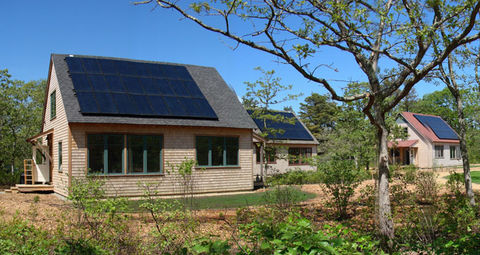
To offset the home’s energy consumption, incorporate on-site renewable energy generation. Solar photovoltaic (PV) systems are the most common choice, but wind or geothermal may also be viable depending on location.
- Size the system appropriately: Work with a qualified installer to match the system’s capacity to the home’s estimated annual energy use.
- Consider battery storage: Batteries can store excess energy for use at night or during outages, increasing self-sufficiency.
- Plan for future upgrades: Design the electrical system with flexibility for adding more panels or storage as technology evolves.
Combining efficient design with renewable energy is the foundation of a successful net-zero strategy.
Efficient Mechanical and Electrical Systems
Mechanical systems in a net-zero residence must be selected and installed with efficiency in mind. Consider these best practices:
- Heat pumps for heating and cooling: Air-source or ground-source heat pumps offer high efficiency and can operate in a range of climates.
- Heat recovery ventilation (HRV): An HRV system maintains indoor air quality while minimizing energy loss from ventilation.
- Efficient water heating: Use heat pump water heaters or solar thermal systems to reduce hot water energy use.
- LED lighting and smart controls: Install energy-efficient lighting and use smart thermostats and occupancy sensors to optimize usage.
By integrating these systems, you can further reduce the home’s energy demand and enhance comfort.
Monitoring and Maintaining Net-Zero Performance
Once construction is complete, ongoing monitoring is essential to ensure the home operates as intended. Use energy monitoring tools to track consumption and production in real time. Regular maintenance of HVAC systems, solar panels, and the building envelope will help maintain optimal performance year after year.
Homeowners should also stay informed about new technologies and practices that can further improve efficiency or increase renewable energy generation over time.
Common Challenges and Solutions in Net-Zero Construction
Building a home that produces as much energy as it uses comes with unique challenges. Here are some common issues and practical solutions:
- Upfront costs: While initial investment can be higher, long-term savings on energy bills and available incentives often offset these costs.
- Design complexity: Work with experienced professionals who understand the nuances of airtight construction and energy modeling.
- Technology integration: Choose reliable, proven systems and plan for future upgrades as technology advances.
- Occupant behavior: Educate residents about energy-saving habits to ensure the home performs as designed.
Addressing these challenges early in the process helps ensure a smoother path to achieving net-zero goals.
Frequently Asked Questions
What is the difference between a net-zero home and a regular energy-efficient home?
While both prioritize energy savings, a net-zero residence is designed to generate as much energy as it consumes over a year, resulting in zero net energy use. An energy-efficient home, on the other hand, focuses on reducing consumption but may still rely on external energy sources.
How much does it cost to build a net-zero home?
Costs vary depending on location, size, and chosen technologies. While upfront expenses can be higher than conventional construction, long-term savings on utility bills and potential incentives can make net-zero projects financially attractive over time.
Can existing homes be retrofitted to achieve net-zero status?
Yes, many existing homes can be upgraded with improved insulation, airtightness, high-efficiency systems, and renewable energy installations. However, retrofitting can be more complex and costly than building new, depending on the starting point and desired performance level.
By following these steps and leveraging the latest in sustainable design and technology, anyone can embark on the journey to a truly energy-neutral home. For more foundational information, review the net-zero house design basics to ensure your project starts on solid ground.
