
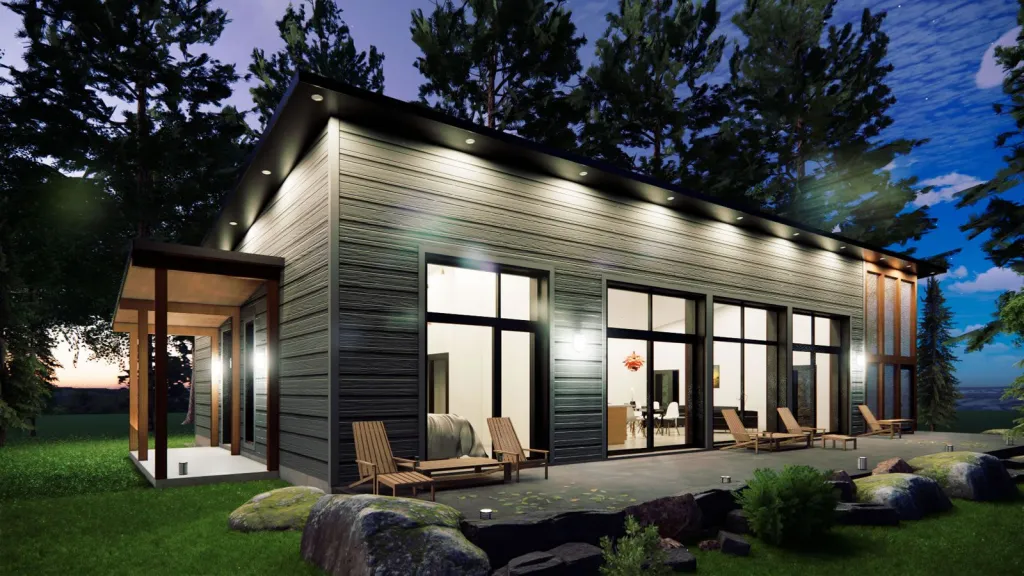
As environmental concerns and energy costs rise, more homeowners are considering net-zero home construction as a sustainable and future-proof solution. Building a carbon-neutral home means creating a living space that produces as much energy as it consumes over the course of a year, typically through a combination of energy-efficient design, renewable energy systems, and smart building techniques. The advantages of this approach extend far beyond just reducing your carbon footprint—they can also improve comfort, lower utility bills, and increase property value.
Whether you’re planning a new build or exploring ways to retrofit your current house, understanding the benefits of net-zero home construction can help you make informed decisions for your family and the planet. If you’re just starting out, the net-zero home construction guide for beginners offers a comprehensive introduction to the key concepts and steps involved.
Understanding Carbon-Neutral Home Design
At its core, a net-zero home is designed to balance the energy it uses with the energy it generates from renewable sources, such as solar panels. This is achieved through a combination of high-performance insulation, airtight construction, efficient heating and cooling systems, and on-site energy production. The result is a home that is not only environmentally responsible but also comfortable and cost-effective to operate.
For a deeper dive into the technical aspects, check out net-zero home construction explained, which breaks down how carbon-neutral living works in practical terms.
Key Benefits of Net-Zero Home Construction
Choosing to build or retrofit a home to net-zero standards offers a range of compelling advantages. Let’s explore the most significant ones:
1. Significant Energy Savings and Lower Utility Bills
One of the most immediate and tangible benefits of net-zero home construction is the dramatic reduction in energy costs. By maximizing energy efficiency and generating your own power, you can often eliminate or greatly reduce your monthly utility bills. Over time, these savings can offset the initial investment in advanced building materials and renewable energy systems.
- High-performance insulation and windows keep heat in during the winter and out during the summer.
- Efficient appliances and LED lighting further reduce electricity use.
- Solar panels or other renewable systems provide clean, on-site energy.
Many homeowners find that their net-zero homes are not only more affordable to operate but also more resilient to rising energy prices in the future.
2. Enhanced Comfort and Indoor Air Quality
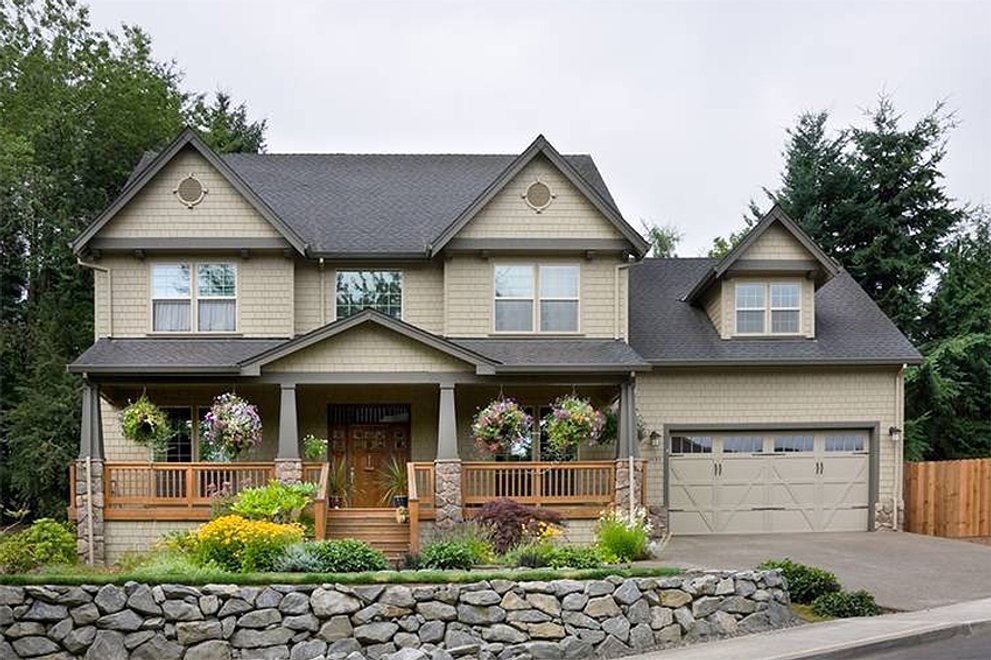
Net-zero homes are built to be exceptionally airtight and well-insulated, which helps maintain consistent indoor temperatures year-round. This means fewer drafts, cold spots, or overheating—just a comfortable, stable environment for you and your family. Advanced ventilation systems, such as heat recovery ventilators (HRVs), ensure a steady supply of fresh air while filtering out pollutants, allergens, and excess humidity.
The result is a healthier living space with improved air quality and fewer issues related to mold or condensation. These features are especially valuable for families with allergies, asthma, or other respiratory concerns.
3. Reduced Environmental Impact
One of the core motivations for choosing this building approach is the substantial reduction in greenhouse gas emissions. By using less energy and generating clean power on-site, net-zero homes contribute less to climate change and help conserve natural resources. According to industry research on net-zero buildings, widespread adoption of these practices could play a major role in achieving global sustainability goals.
Additionally, many net-zero projects incorporate sustainable materials, water-saving fixtures, and landscaping that supports local biodiversity, further minimizing their ecological footprint.
4. Increased Property Value and Market Appeal
As awareness of sustainability grows, homes with high energy performance and low operating costs are becoming more attractive to buyers. Net-zero homes often command a premium on the real estate market, thanks to their future-proof design and lower total cost of ownership. Features such as solar panels, smart energy monitoring, and efficient HVAC systems can set your property apart and appeal to eco-conscious buyers.
For those interested in the design process, the net-zero house design basics resource provides essential principles for planning a home that meets both your needs and sustainability goals.
5. Long-Term Durability and Lower Maintenance
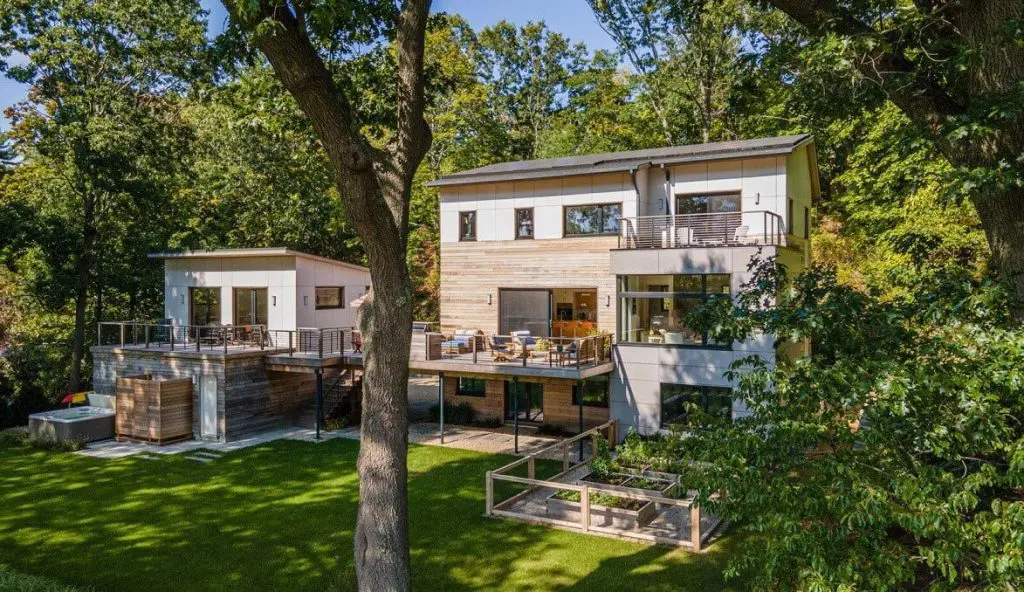
Homes built to net-zero standards typically use high-quality materials and advanced construction techniques. This focus on durability means fewer repairs and maintenance issues over the lifespan of the home. Features like metal roofing, triple-pane windows, and robust insulation not only improve energy performance but also extend the life of the building envelope.
Because these homes are designed to minimize air leaks and moisture intrusion, they are less prone to common problems such as rot, mold, and pest infestations. This translates into lower upkeep costs and greater peace of mind for homeowners.
How to Start Your Net-Zero Home Journey
Transitioning to a carbon-neutral home is more accessible than ever, thanks to advances in building science and renewable technology. Whether you’re building from scratch or upgrading an existing property, the process typically involves:
- Assessing your site and climate to determine the best design strategies.
- Working with architects and builders experienced in sustainable construction.
- Incorporating energy modeling to optimize insulation, windows, and HVAC systems.
- Choosing renewable energy systems, such as solar or geothermal.
- Monitoring and adjusting your home’s performance over time.
If you’re looking for a step-by-step overview, how to build a net-zero home provides a practical guide to each stage of the process.
Frequently Asked Questions
What does it cost to build a net-zero home?
The upfront cost of constructing a net-zero home can be higher than that of a conventional house, mainly due to better insulation, high-performance windows, and renewable energy systems. However, these costs are often offset by lower monthly utility bills and potential incentives or rebates. Over time, the total cost of ownership can be comparable or even lower than a traditional home.
Can existing homes be upgraded to net-zero?
Yes, many existing homes can be retrofitted to achieve net-zero performance. This typically involves improving insulation, sealing air leaks, upgrading windows and HVAC systems, and adding renewable energy sources. While it may not always be possible to reach full net-zero, significant reductions in energy use and emissions are achievable with the right upgrades.
Are net-zero homes comfortable in all climates?
With proper design and construction, net-zero homes can provide excellent comfort in a wide range of climates. The key is to tailor insulation, air sealing, and ventilation strategies to the local environment. Advanced building science allows for customization to ensure year-round comfort, regardless of weather conditions.
Conclusion
Embracing net-zero home construction offers a host of advantages—from lower energy bills and enhanced comfort to a reduced environmental footprint and increased property value. As more homeowners recognize the importance of sustainability, carbon-neutral homes are becoming a smart investment for the future. For those interested in learning more, resources such as what is net-zero home construction provide a solid foundation for making informed decisions on your journey to a greener home.
