
Building a home that produces as much energy as it consumes is no longer a distant dream—it’s a practical, achievable goal for many homeowners. This net-zero home construction guide for beginners is designed to help you understand the essential steps, technologies, and design strategies needed to embark on your sustainable building journey. Whether you’re planning your first eco-friendly house or simply curious about the process, you’ll find clear, actionable advice to get started.
Net-zero homes are designed to be highly energy-efficient, using renewable energy sources to offset their consumption. The result is a comfortable, healthy living space with minimal environmental impact and lower utility bills. As interest in sustainable living grows, more resources and technologies are available than ever before to support your project.
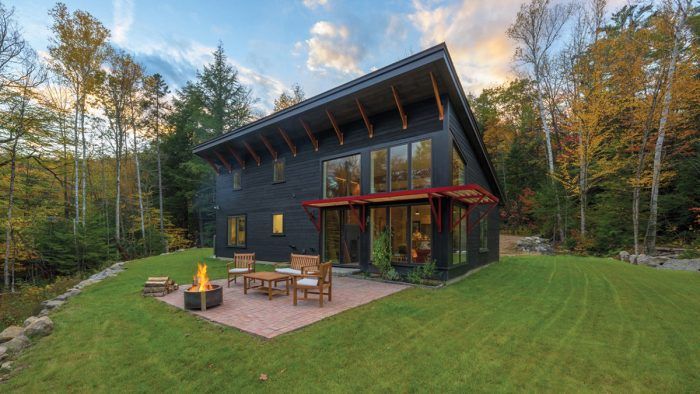
For a deeper dive into the core design concepts, you can explore net-zero house design basics, which covers the foundational principles every beginner should know.
Understanding Net-Zero Homes: What Makes a House Truly Sustainable?
At its core, a net-zero home is designed to balance the energy it uses with the energy it generates on-site, typically through solar panels or other renewable sources. Achieving this balance requires a combination of smart design, efficient construction, and advanced technology. Here are the main features that set these homes apart:
- High-performance insulation and airtight construction to minimize energy loss
- Energy-efficient windows and doors
- Advanced heating, ventilation, and air conditioning (HVAC) systems
- On-site renewable energy generation, such as solar photovoltaic (PV) panels
- Efficient appliances and lighting
- Thoughtful site orientation to maximize natural light and passive solar gain
For a comprehensive explanation of how these elements work together, the article net-zero home construction explained provides further insights into carbon-neutral living.
Key Steps in Planning Your Net-Zero Build
Starting your journey toward a net-zero home involves several critical planning stages. Here’s a step-by-step overview to guide your process:
- Set Clear Goals and Budget: Define your sustainability objectives and determine how much you’re willing to invest. Consider both upfront costs and long-term savings.
- Choose the Right Location: Site selection can affect solar access, wind exposure, and overall energy performance. Look for a plot that supports renewable energy generation and efficient design.
- Assemble Your Team: Work with architects, builders, and consultants experienced in sustainable construction. Their expertise is invaluable for navigating codes, incentives, and technical challenges.
- Design for Efficiency: Prioritize a compact, well-insulated building envelope, strategic window placement, and passive solar design. Use modeling tools to predict energy performance.
- Plan for Renewable Energy: Assess your site’s solar potential and plan for the integration of PV panels or other renewable systems from the outset.
Building Envelope: The Foundation of Energy Efficiency
The building envelope—the walls, roof, windows, and doors—plays a crucial role in minimizing energy loss. Here’s what to focus on:
- Insulation: Use high R-value materials in walls, roofs, and floors to reduce heat transfer.
- Airtightness: Seal gaps and cracks to prevent drafts and moisture intrusion.
- Windows and Doors: Install triple-glazed, low-emissivity windows and insulated exterior doors.
Properly constructed envelopes not only reduce heating and cooling loads but also improve indoor comfort and air quality. For a practical, step-by-step approach, see how to build a net-zero home for actionable guidance.
Smart Energy Systems and Monitoring
Modern net-zero homes rely on advanced technology to optimize energy use and track performance. Consider integrating:
- Smart thermostats for precise climate control
- Real-time energy monitoring systems to identify inefficiencies
- Automated lighting and appliance controls
Tools like energy monitors and thermal imaging cameras can help you pinpoint areas for improvement and ensure your home stays on track to meet its energy goals.
Renewable Energy: Powering Your Home Sustainably
Generating clean energy on-site is essential for achieving net-zero status. Solar PV panels are the most common choice, but other options include wind turbines or geothermal systems, depending on your location. When sizing your renewable system, consider:
- Your home’s estimated annual energy consumption
- Local climate and solar exposure
- Available incentives and rebates
For a detailed overview of the process and technology, you can refer to this comprehensive resource on net-zero home building.
Common Challenges and How to Overcome Them
While the benefits of net-zero construction are clear, beginners may face a few hurdles:
- Higher upfront costs: Efficient materials and renewable systems can be more expensive initially, but long-term savings and incentives help offset these costs.
- Finding experienced professionals: Not all builders are familiar with net-zero techniques. Research and select a team with proven experience in sustainable projects.
- Local regulations: Building codes and permitting processes may vary. Engage with local authorities early to ensure compliance and take advantage of available incentives.
With careful planning and the right support, these obstacles can be managed effectively, paving the way for a successful project.
Benefits of Net-Zero Living
Choosing a net-zero approach offers significant advantages beyond energy savings:
- Lower utility bills and protection from rising energy costs
- Improved indoor air quality and comfort
- Reduced carbon footprint and environmental impact
- Higher resale value and market appeal
- Potential for tax credits and rebates
As more homeowners embrace these benefits, net-zero construction is becoming a mainstream choice for those seeking a healthier, more sustainable lifestyle.
FAQ: Net-Zero Home Construction for Beginners
What is the difference between a net-zero home and a traditional energy-efficient home?
While both types prioritize energy efficiency, a net-zero home is designed to produce as much energy as it consumes over a year, typically through on-site renewables. Traditional energy-efficient homes may use less energy but do not necessarily achieve full energy balance.
How much more does it cost to build a net-zero house?
Upfront costs can be 5–15% higher than conventional construction, depending on location, materials, and renewable energy systems. However, lower utility bills and available incentives often make up the difference over time.
Can I retrofit an existing home to achieve net-zero status?
Yes, many existing homes can be upgraded with improved insulation, airtightness, efficient systems, and renewable energy. The process may be more complex than new construction, but significant energy savings are still possible.
