
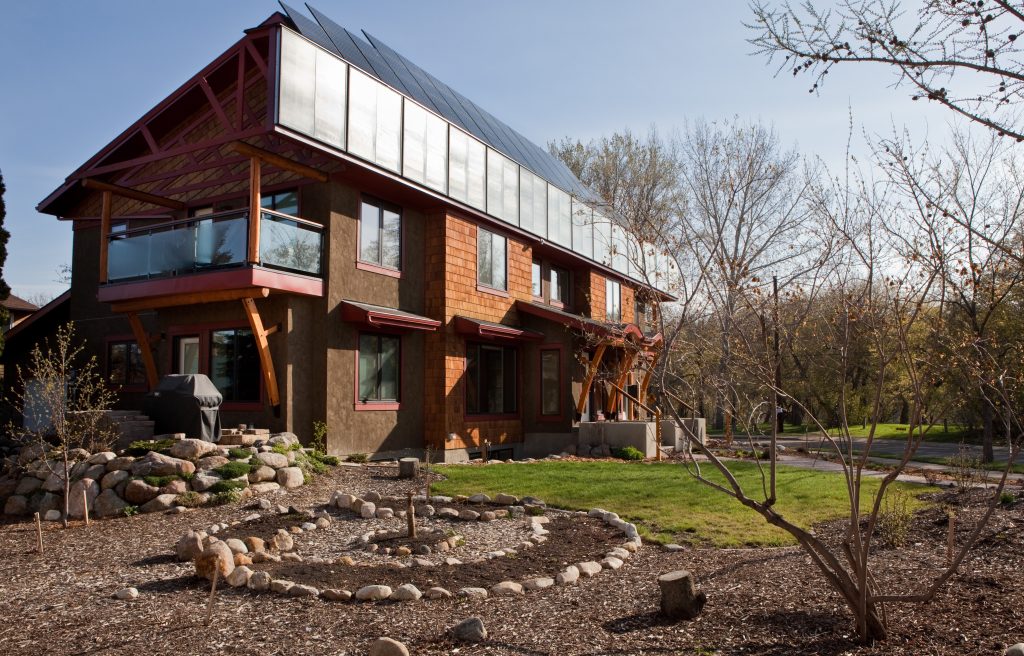
Designing a home that produces as much energy as it consumes is becoming a practical and necessary goal for those seeking a more sustainable lifestyle. The principles of net-zero home design provide a clear roadmap for reducing environmental impact, lowering utility costs, and creating healthier living spaces. By integrating energy efficiency, renewable energy, and smart design strategies, homeowners can achieve carbon-neutral living without sacrificing comfort or style.
Understanding the foundational concepts behind these homes is essential for anyone interested in sustainable construction or renovation. Whether you are planning a new build or retrofitting an existing property, applying these core strategies can help you create a residence that is both environmentally responsible and economically sensible. For a deeper dive into the fundamentals, you may find this resource on what is net-zero home construction especially helpful as you get started.
What Defines a Net-Zero Home?
A net-zero home is designed and built to balance its annual energy consumption with renewable energy generation. This means that over the course of a year, the home produces as much clean energy as it uses, resulting in a net-zero energy bill and a significantly reduced carbon footprint. Achieving this balance involves a combination of energy-efficient construction, high-performance systems, and on-site renewable energy sources.
These homes are not only about energy savings—they also promote improved indoor air quality, durability, and comfort. By focusing on the principles of net-zero home design, homeowners can ensure their living spaces are future-ready and resilient to changing energy landscapes.
Key Elements of Energy-Efficient Home Design
Energy efficiency is the foundation of any carbon-neutral residence. The following strategies are central to reducing energy demand and maximizing performance:
- High-Performance Insulation: Proper insulation in walls, roofs, and floors minimizes heat loss in winter and keeps interiors cool in summer. Materials with high R-values are essential for maintaining thermal comfort.
- Air Sealing: Eliminating gaps and leaks in the building envelope prevents unwanted air infiltration, which can lead to energy waste and discomfort.
- Efficient Windows and Doors: Installing triple-pane or low-emissivity (low-E) windows and insulated doors helps maintain indoor temperatures and reduces the load on heating and cooling systems.
- Smart Orientation and Shading: Designing the home to take advantage of natural sunlight for heating while using shading devices to prevent overheating in summer is a key passive design strategy.
For those new to the topic, exploring net-zero house design basics can provide more context on how these elements work together in practice.
Integrating Renewable Energy Systems
Once energy demand is minimized, the next step is to generate clean energy on-site. The most common solution is solar photovoltaic (PV) panels, which convert sunlight into electricity. Other renewable options include small wind turbines or geothermal systems, depending on the site and climate.
Key considerations for integrating renewables include:
- System Sizing: The renewable energy system should be sized to match the home’s projected annual energy use.
- Net Metering: Many regions offer net metering programs, allowing homeowners to feed excess electricity back into the grid and receive credits.
- Battery Storage: Adding battery storage can increase energy independence by storing surplus energy for use during cloudy days or power outages.
Combining these systems with efficient appliances and lighting ensures that the home remains self-sufficient and environmentally friendly.
Smart Systems and Monitoring for Ongoing Performance
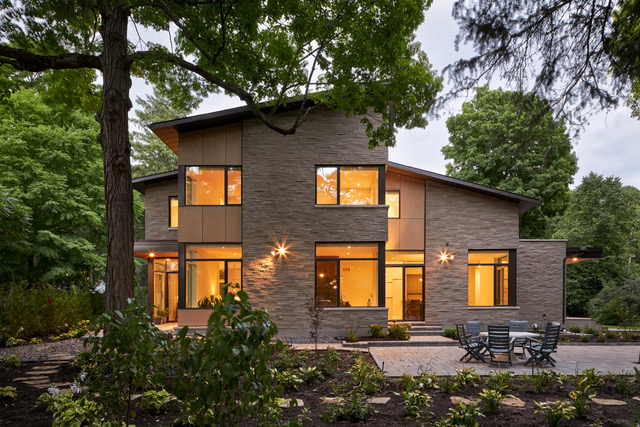
Continuous monitoring and smart controls are vital for maintaining optimal energy performance. Advanced home energy monitors, programmable thermostats, and automated lighting systems allow homeowners to track consumption and adjust usage patterns in real time. These technologies not only help identify inefficiencies but also empower residents to make informed decisions about their energy habits.
Thermal imaging cameras can be especially useful for detecting insulation gaps or air leaks, ensuring that the home’s envelope remains tight and efficient. By leveraging these tools, homeowners can keep their properties operating at peak efficiency year-round.
Healthy Indoor Environments and Comfort
Beyond energy and environmental benefits, net-zero homes are designed to enhance occupant well-being. Key features include:
- Ventilation Systems: Heat recovery ventilators (HRVs) or energy recovery ventilators (ERVs) provide continuous fresh air while minimizing energy loss.
- Low-Emission Materials: Using paints, finishes, and building materials with low volatile organic compounds (VOCs) improves indoor air quality.
- Moisture Control: Proper design and construction techniques prevent mold growth and maintain healthy humidity levels.
These measures contribute to a comfortable, quiet, and healthy living environment, making sustainable homes attractive for families and individuals alike.

Design Strategies for Different Climates
Applying the principles of net-zero home design requires adapting strategies to local climate conditions. For example:
- Cold Climates: Focus on super-insulated envelopes, triple-glazed windows, and passive solar heating.
- Hot Climates: Prioritize shading, reflective roofing, and natural ventilation to reduce cooling loads.
- Mixed Climates: Use flexible design approaches that balance heating and cooling needs throughout the year.
Site-specific solutions ensure that homes remain comfortable and efficient, regardless of location. For a more detailed process, see this step-by-step sustainable guide to building a net-zero home.
Financial and Environmental Benefits
Investing in a net-zero home offers both immediate and long-term advantages. Homeowners benefit from drastically reduced utility bills, increased property value, and protection against future energy price hikes. Environmentally, these homes help lower greenhouse gas emissions and reduce reliance on fossil fuels.
To understand the broader impact, you can read more about the benefits of net-zero home construction and why carbon-neutral living is gaining momentum worldwide.
Additionally, government incentives, rebates, and financing options are often available to offset the initial investment in energy-efficient upgrades and renewable systems.
Common Challenges and Solutions
While the path to net-zero living is rewarding, it does come with challenges. Upfront costs, design complexity, and the need for specialized knowledge can be barriers. However, these can be addressed by:
- Working with experienced architects and builders familiar with sustainable design.
- Taking advantage of available incentives and rebates.
- Phasing upgrades over time if a full retrofit is not immediately feasible.
Staying informed and leveraging resources such as this in-depth overview of net-zero home concepts can help homeowners navigate the process with confidence.
Frequently Asked Questions
What is the difference between a net-zero home and a traditional energy-efficient home?
While both types of homes prioritize energy savings, a net-zero home is designed to produce as much renewable energy as it consumes over a year, resulting in zero net energy use. A traditional energy-efficient home may use less energy than average but does not necessarily generate its own power or achieve full energy balance.
How much does it cost to build a net-zero home?
The cost varies depending on location, size, materials, and technology choices. While initial construction or retrofit expenses can be higher than standard homes, long-term savings on energy bills and available incentives often offset the upfront investment. Over time, homeowners typically see a strong return on investment.
Can existing homes be upgraded to net-zero standards?
Yes, many existing homes can be retrofitted to approach or achieve net-zero performance. This usually involves improving insulation, upgrading windows and doors, sealing air leaks, installing efficient systems, and adding renewable energy sources. A phased approach can make the process more manageable and affordable.
Conclusion
Adopting the principles of net-zero home design is a practical and impactful way to support sustainable living. Through careful planning, energy-efficient construction, renewable energy integration, and ongoing monitoring, homeowners can enjoy comfortable, healthy, and environmentally responsible spaces. As technology advances and awareness grows, net-zero homes are becoming more accessible and desirable for individuals and families committed to a greener future.
